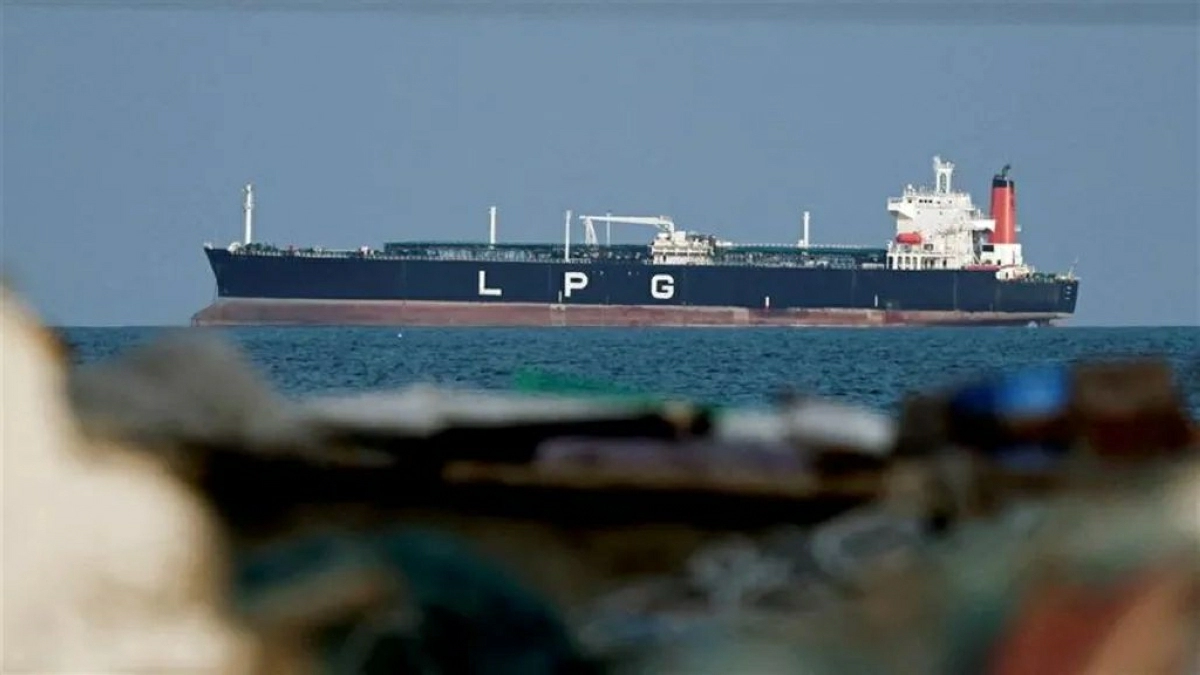
Over 40 countries have announced the formation of an international coalition aimed at securing freedom of navigation in the Hormuz Strait, a vital corridor for energy transport, following the end of the heated phase of the ongoing conflict between the United States and Iran. The virtual meeting, hosted by British Foreign Secretary Yvette Cooper, comes at a time when pressure is mounting on European allies to help reopen this crucial passage.
In her opening remarks, Cooper warned that Iran has "hijacked" an international shipping route, threatening the global economy. She emphasized that the coalition will seek to employ a full range of diplomatic and economic tools to ensure a "safe and sustainable opening" of the Hormuz Strait, which is currently under a fee system controlled directly by Tehran.
Details of the Initiative
The new initiative includes calls for the implementation of new economic sanctions on the Iranian regime, as well as exploring military options such as mine removal and securing ships. Countries like Italy and the United Arab Emirates have also issued a joint appeal to establish a "humanitarian corridor" to ensure the shipment of fertilizers and prevent a food crisis.
In this context, Josep Borrell, the European Union's High Representative, stressed the necessity of restoring safe navigation in the Hormuz Strait, noting that Iranian attacks on civilian ships have led to a near-complete halt of traffic in the area. He expressed the EU's support for all diplomatic efforts to achieve this goal.
Background & Context
The Hormuz Strait is considered one of the most important waterways in the world, transporting about 20% of global oil and gas supplies. However, its complex geography, including shallow waters and high terrain, gives Iran an advantage in employing warfare tactics such as missiles and drones.
Historically, there have been ongoing tensions in the region, as U.S. President Donald Trump has sought to hold countries that rely on oil and gas from the Middle East responsible for securing this passage, indicating that the high-risk operation should be carried out by those countries and not by the United States.
Impact & Consequences
Concerns are rising that any military escalation in the region could exacerbate global economic conditions, as oil and gas prices have seen significant increases in the markets. Trump has warned that countries benefiting from oil passage through the Hormuz Strait must take steps to protect this corridor.
At the same time, European nations continue to pressure the United States for greater support in securing navigation, with French President Emmanuel Macron warning that the use of military force to secure the strait may be unrealistic, pointing to the risks that ships could face if such actions were taken.
Regional Significance
These developments are particularly significant for Arab countries, many of which rely on energy supplies from the region. Securing freedom of navigation in the Hormuz Strait could directly affect oil and gas prices, impacting Arab economies.
In conclusion, the formation of this international coalition reflects the urgent need for cooperation among nations to address security and economic challenges in the region, highlighting the importance of the Hormuz Strait as a vital corridor for global trade.