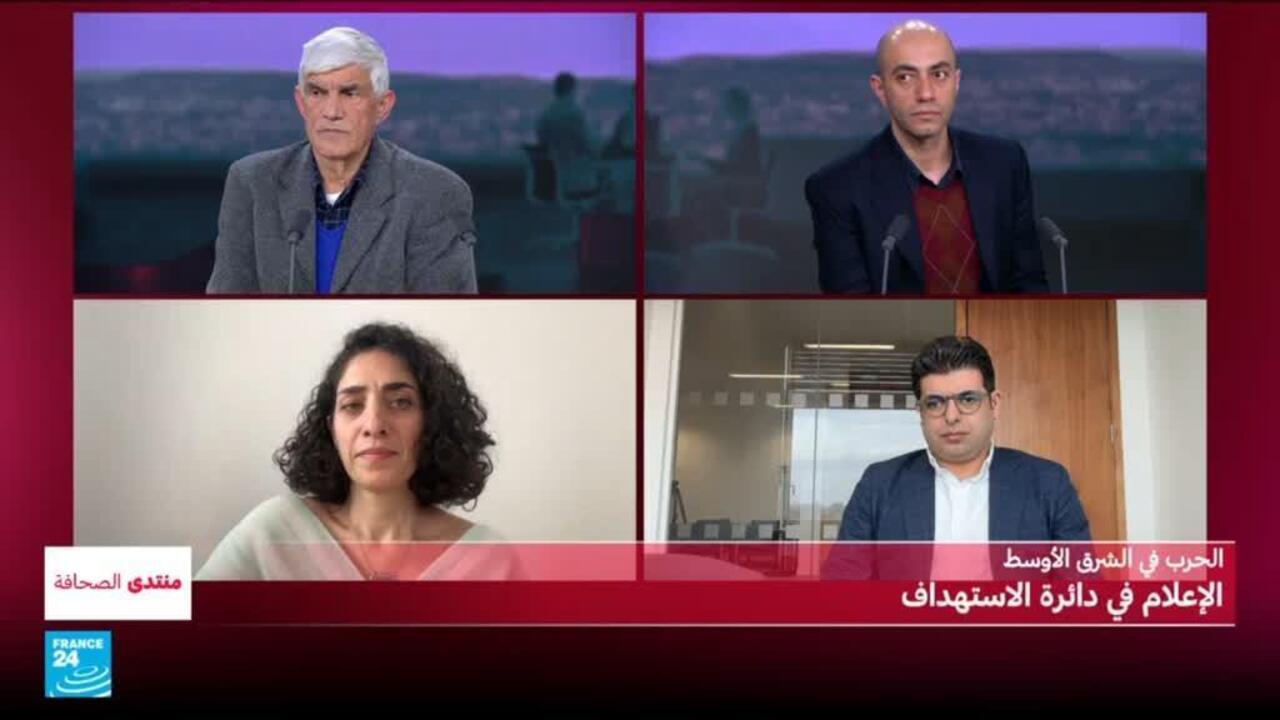
International human rights organizations condemned the killing of three Lebanese journalists by the Israeli army, an incident that has raised widespread concern about the safety of journalists in conflict zones. The incident occurred while the journalists were covering the Israeli attack in southern Lebanon, where the Israeli army opened fire on them, justifying this action by claiming that one of them was gathering intelligence for the Lebanese Hezbollah, without providing any evidence to support this claim.
This incident comes at a sensitive time when tensions are escalating in the region, increasing fears about press freedom and the safety of media personnel. In a related context, journalists in Iran have not escaped the regime's repression, as dozens of media collaborators have been arrested, accused of being linked to the country’s enemies, highlighting the challenges facing journalism in the region.
Details of the Incident
In recent days, three Lebanese journalists were shot by the Israeli army while covering military operations in southern Lebanon. This incident has provoked angry reactions from international human rights organizations, which consider the targeting of journalists a blatant violation of press freedom. The Israeli army indicated that one of the journalists was working to gather information for Hezbollah, but no evidence has been presented to support this claim, raising further doubts about the motives behind the targeting.
On the other hand, in Iran, authorities have arrested several journalists and media collaborators, accusing them of being linked to the country’s enemies. These actions reflect the ongoing repression faced by the media in Iran, where the government seeks to control information and prevent any criticism.
Background & Context
Historically, the Middle East has witnessed numerous wars and conflicts that have significantly affected press freedom. In Lebanon, for example, the media has faced substantial pressures during the civil war and continues to suffer threats amid current conflicts. Moreover, Iran, considered one of the most repressive countries for journalism, continues to arrest journalists attempting to cover events independently.
Concerns are growing that these incidents may lead to a decline in press freedom in the region, as media outlets face pressures from both governments and armed groups. The targeting of journalists poses a direct threat to freedom of expression and reflects a growing anxiety about the future of journalism in the Middle East.
Impact & Consequences
The targeting of journalists in conflict zones has serious implications for media freedom. With increasing risks, journalists may hesitate to cover events, leading to a lack of accurate and reliable information. This situation could contribute to the reinforcement of official narratives and limit the public's access to the truth.
Furthermore, the arrests carried out by Iranian authorities against journalists reflect a repressive policy aimed at silencing dissenting voices. This repression may lead to the spread of misinformation and increase distrust between the public and the media.
Regional Significance
Press freedom is a fundamental element of democracy, and the targeting of journalists in the Middle East represents a threat to these values. The decline of media freedom may negatively impact communities' ability to express their opinions and demands. Additionally, the current situation could exacerbate humanitarian and political crises in the region.
Ultimately, the current situation requires international action to protect journalists and ensure freedom of expression. The international community must take effective steps to hold accountable those responsible for violations against journalists' rights and to promote a safe environment for media personnel in conflict zones.