An Israeli attack in Lebanon has resulted in the death of an Indonesian soldier and injuries to three others serving in a United Nations peacekeeping mission. Indonesian parliamentary member Shamsu Rizal condemned the attack as a blatant violation of international law, emphasizing that peacekeeping forces are present to maintain stability, not to engage in combat.
In his statements, Rizal noted that the slain soldier was part of the international peacekeeping force, which makes the attack even more serious. He described the assault as inhumane, warning that such acts could be classified as war crimes.
Details of the Incident
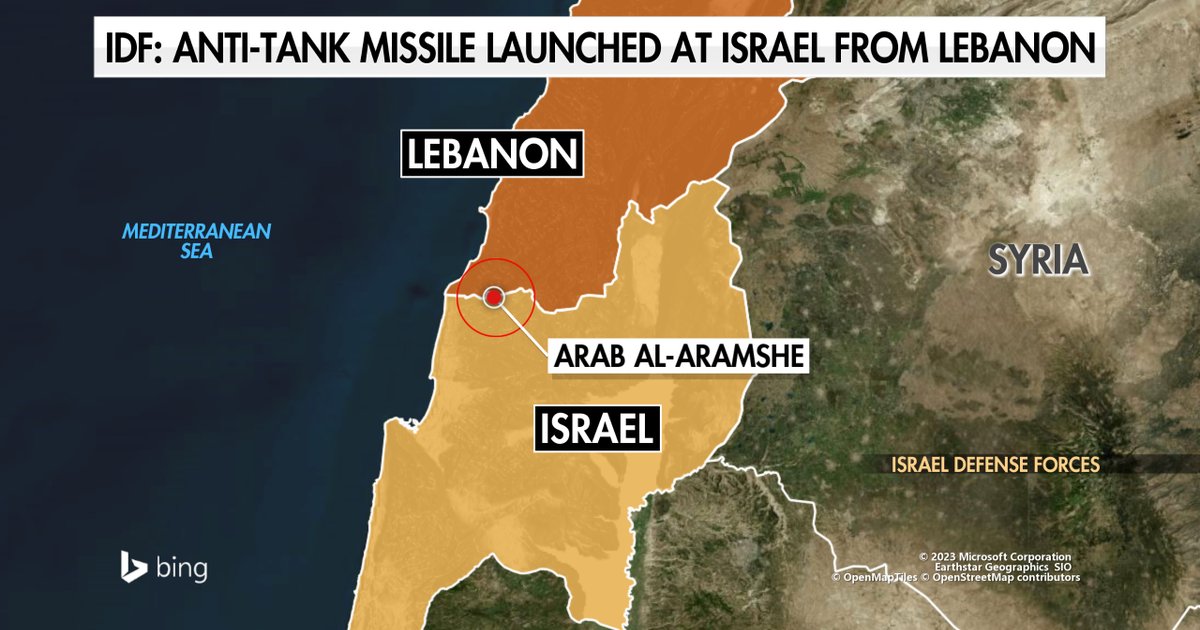
The attack occurred in Lebanon, where Indonesian forces were operating as part of the United Nations peacekeeping mission. Rizal confirmed that the attack was not incidental, as there were indications that it was carried out intentionally. He called on the Indonesian government to take immediate action in coordination with the United Nations to investigate the incident.
He also highlighted the importance of transparency in the investigations to ensure that such incidents do not recur in the future. Rizal affirmed that efforts must be made to ensure the deceased soldier is returned home with dignity and that the necessary medical care is provided to the injured soldiers.
Background & Context
Historically, the Middle East has witnessed numerous armed conflicts, with Lebanon being one of the most affected countries. Since 1978, United Nations forces in Lebanon (UNIFIL) have been working to promote security and stability in the region. However, attacks on peacekeeping forces are not new, as these troops have faced several assaults in the past, raising concerns about the safety of soldiers operating in conflict zones.
The recent attack highlights escalating tensions in the region, especially given the volatile political situation in Lebanon. The presence of peacekeeping forces is deemed essential for maintaining stability, but these incidents reveal the significant challenges they face.
Impact & Consequences
The attack on Indonesian soldiers may affect relations between Indonesia and Israel, as this assault is seen as a challenge to national sovereignty. Additionally, international reactions may escalate, compelling the global community to adopt a firmer stance against Israeli aggressions.
This incident also presents an opportunity for Indonesia to strengthen its position on the international stage, as it can demonstrate support for peacekeeping forces and reaffirm its commitment to international laws. Furthermore, it could enhance cooperation with other countries facing similar aggressions.
Regional Significance
Events in Lebanon hold significant importance for Arab countries, as they reflect ongoing tensions in the region. Attacks on peacekeeping forces mirror the instability plaguing the Middle East, necessitating clear stances from Arab nations regarding these violations.
Moreover, these incidents underscore the importance of Arab unity in facing common challenges, as Arab countries must collaborate to enhance security and stability in the region. Supporting peacekeeping forces is part of the efforts to achieve peace in the Middle East.