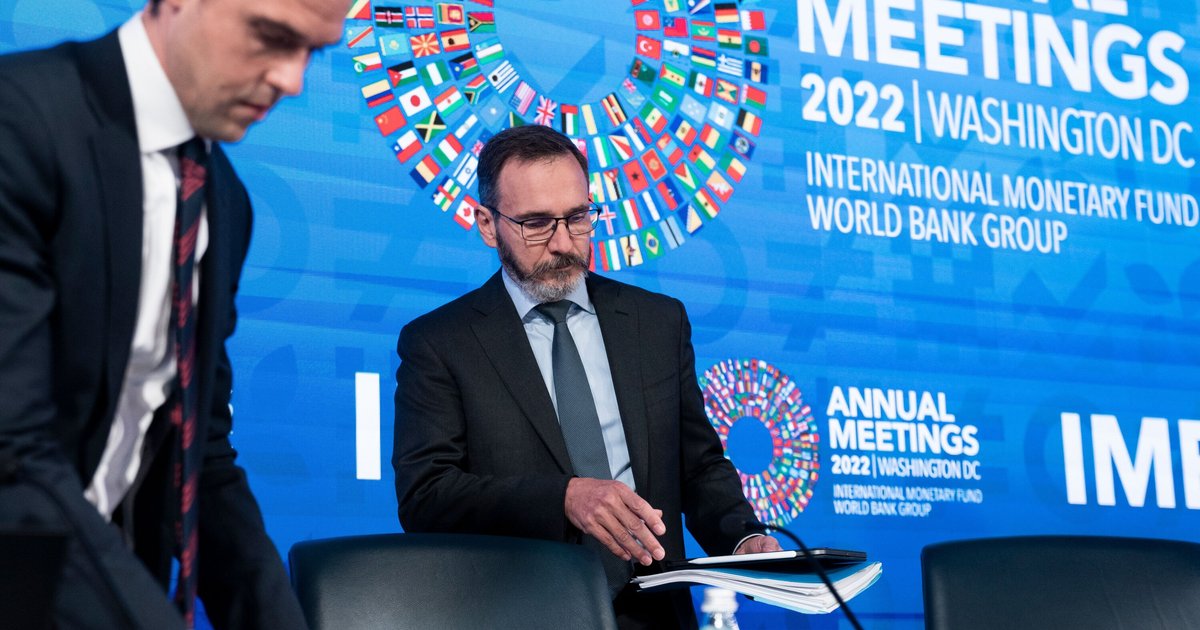
In a move reflecting international concern over the ramifications of the war in Iran, the International Monetary Fund, World Bank, and International Energy Agency have announced their coordinated efforts to address the economic impact of the conflict. This collaboration comes at a time when the world is witnessing increasing tensions in the Middle East, necessitating an effective response from major financial institutions.
Concerns are growing that the war in Iran could destabilize the economic landscape of the region, prompting these institutions to take proactive measures. Reports indicate that the conflict could significantly affect oil prices and global financial markets, which calls for international coordination to confront these challenges.
Details of the Coordination Efforts
In a joint statement, the three institutions clarified that they would work on assessing the economic impact of the war in Iran and providing necessary support to affected countries. They will also develop strategies to assist nations that may face economic difficulties as a result of this conflict.
This initiative comes amid rising economic pressures on many countries, with financial institutions predicting that the war will lead to increased prices of essential commodities, which will impact the fragile economies in the region.
Background & Context
Historically, the Middle East has witnessed numerous armed conflicts that have had significant economic repercussions on neighboring countries. The war in Iran is no exception, as the conflict could exacerbate economic crises in countries like Iraq, Syria, and Lebanon, which are already grappling with severe economic challenges.
It is worth noting that Iran is one of the largest oil producers in the world, and any disruption in its oil production or exports could have negative effects on global prices, which would reflect on the economies of oil-importing countries.
Impact & Consequences
The war in Iran is expected to increase volatility in global financial markets, as investors may turn to safe-haven assets such as gold and the US dollar. Additionally, rising oil prices could lead to inflation in many countries, increasing pressure on governments to provide support to their citizens.
Moreover, this war may exacerbate humanitarian crises in the region, as armed conflicts often lead to population displacement and deteriorating living conditions. Therefore, coordination among international financial institutions is a necessary step to mitigate the negative impact on affected populations.
Regional Significance
The Arab countries neighboring Iran are among the most affected by the war, as any escalation in the conflict could lead to significant economic and security repercussions. Countries like Iraq, Syria, and Lebanon may face additional challenges due to heightened tensions in the region.
Furthermore, the rise in oil prices due to the war may have a dual impact, as it could increase revenues for some oil-producing countries, but it could also create economic pressures on oil-importing nations, necessitating a response from Arab governments to ensure the stability of their economies.
In conclusion, the coordination between the International Monetary Fund, World Bank, and International Energy Agency represents an important step in addressing the economic challenges arising from the war in Iran. The current situation requires a rapid and effective response to ensure global economic stability and protect affected countries.