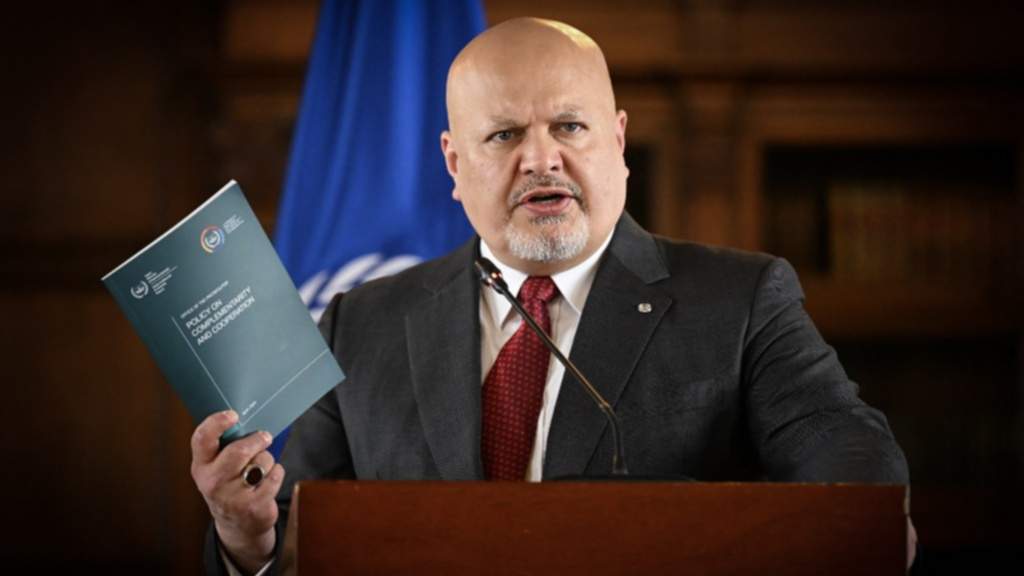
The International Criminal Court's Prosecutor, Kareem Khan, is preparing to deliver a speech in Oxford on Tuesday, May 5. This event marks his first public address since being placed on extended leave last May, pending the results of a United Nations investigation into allegations of sexual misconduct, all of which Khan has denied.
Last month, reports indicated that a panel of judges appointed by the Assembly of States Parties, the governing body of the court, concluded there was no evidence of misconduct or breach of duty by Khan. However, the prosecutor has not yet returned to his duties, as a group of Western and European nations voted at an office meeting to disregard the judges' report and conduct their own assessment based on the UN report.
Event Details
Khan is expected to speak at 7:30 PM at an event open to union members and paying members of the public. Arwa Haneen Al-Rais, President of the Oxford Union, expressed pride in hosting Khan, highlighting the importance of freedom of expression during times when free voices face persecution.
This event comes at a sensitive time for Khan, as he faces increasing political pressure due to his investigations into war crimes in Gaza against Israeli leaders. Khan and his team have faced sanctions from the United States, complicating his position further.
Background & Context
The investigations into Khan began amid a growing campaign of threats and political pressure, especially as he was preparing to issue arrest warrants for Israeli leaders on war crime charges. These pressures included threats from prominent politicians, prompting Khan to take leave last May.
The United Nations Office of Internal Oversight Services issued a report that provided evidence and testimonies from complainants and Khan, but the judges concluded that the evidence was insufficient to support any claims of misconduct.
Impact & Consequences
This case exemplifies the challenges facing international justice amid political pressures. The ongoing investigations into Khan could affect the credibility of the International Criminal Court and its ability to carry out its functions effectively.
Moreover, the political pressures Khan faces indicate potential external interventions that may influence the course of justice, raising questions about the court's independence and effectiveness.
Regional Significance
This case is directly related to the Arab region, where investigations into war crimes in Gaza raise sensitive issues concerning human rights and justice. Khan's stance in the face of these pressures could significantly impact how the court addresses issues related to conflicts in the region.
In conclusion, Khan's speech in Oxford represents an opportunity for him to clarify his position and reaffirm his commitment to international law under challenging circumstances. This event may highlight the importance of judicial independence in the face of political pressures.