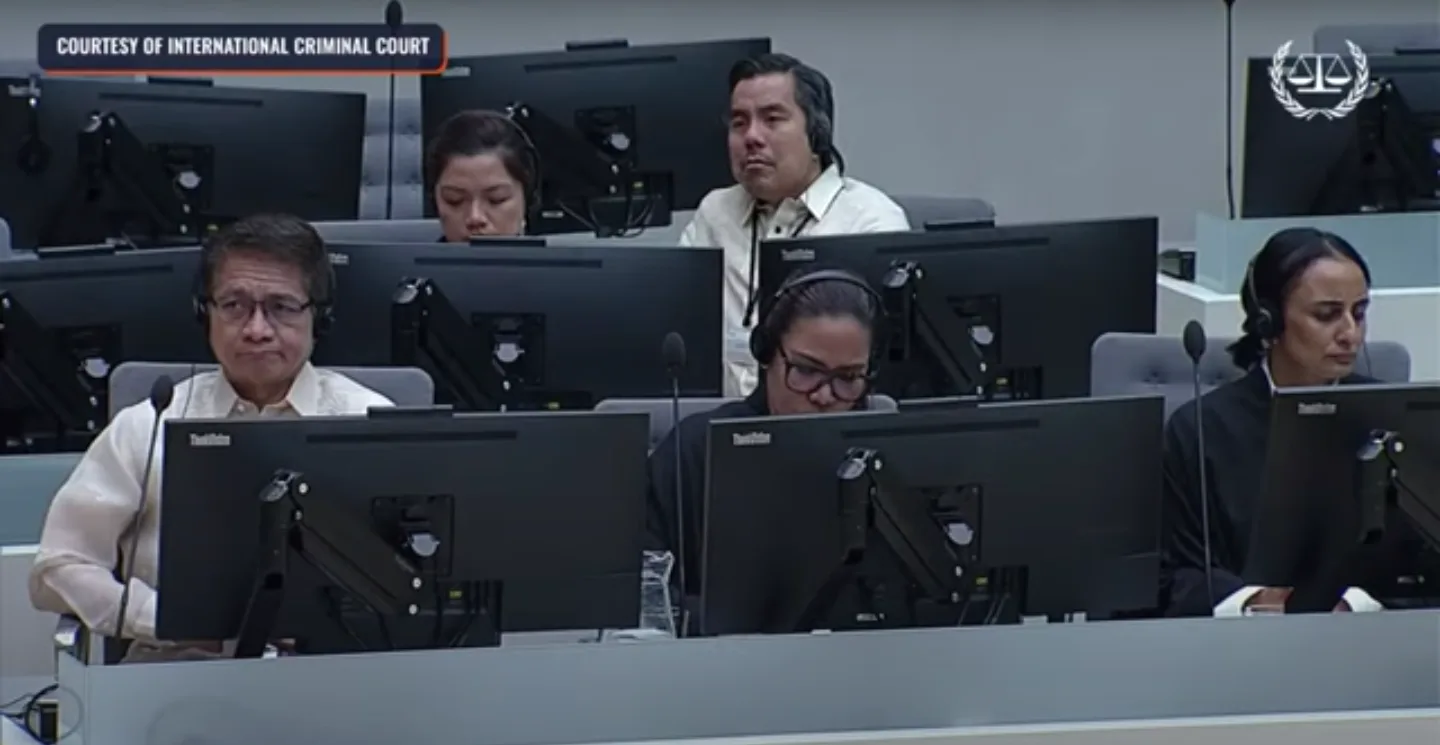
The International Criminal Court (ICC) is set to issue a ruling on the appeal of former Philippine President Rodrigo Duterte, who faces allegations of committing crimes against humanity during his presidency. This decision comes at a sensitive time as Duterte seeks to secure his political future amid increasing pressure from the international community.
The case revolves around Duterte's anti-drug campaign, which has resulted in the deaths of thousands, drawing widespread criticism from human rights organizations. An official investigation was opened by the court in 2018; however, Duterte refused to cooperate, leading to the submission of an appeal aimed at dismissing the investigations.
Details of the Case
Legal experts anticipate that the court will issue its decision on Duterte's appeal in the coming weeks. Duterte's lawyers have argued that the investigations represent a violation of Philippine sovereignty, asserting that criminal cases should be addressed locally. In contrast, human rights advocates maintain that the crimes committed during the anti-drug campaign necessitate international intervention.
Pressure is mounting on the court to deliver a swift ruling, as delays could undermine the court's credibility and create an impression of its inability to hold leaders accountable for serious crimes.
Background & Context
Duterte assumed the presidency of the Philippines in 2016 and launched a violent anti-drug campaign that has reportedly led to the deaths of over 30,000 individuals, according to reports from human rights organizations. This campaign has faced severe criticism from the international community, being viewed as a blatant violation of human rights. In 2019, the ICC announced the opening of an official investigation into these crimes, prompting Duterte to withdraw from the treaty that established the court.
Historically, this case is one of the most prominent issues the court is handling, representing a test of its ability to hold leaders accountable for human rights violations. The court has seen several previous cases against state leaders, but Duterte's case is unique due to the political pressures facing the court.
Impact & Consequences
If the court rules in favor of Duterte, it could bolster his political standing in the Philippines, potentially encouraging other leaders to disregard international laws. Conversely, if his appeal is denied, it may open the door for further investigations against other Filipino officials.
This case also serves as an indicator of how the international community addresses human rights issues in sovereign nations. The Philippines' international relations could be significantly affected based on the court's decision, potentially leading to new tensions between the Philippines and Western countries.
Regional Significance
Duterte's case exemplifies how human rights issues can influence international politics, which may resonate with Arab countries facing similar challenges. Amid political and economic crises, there may be an urgent need for greater transparency and accountability in Arab governments.
Ultimately, Duterte's case remains in the spotlight as the world awaits the court's decision, which could determine the fate of numerous human rights and political issues in the future.