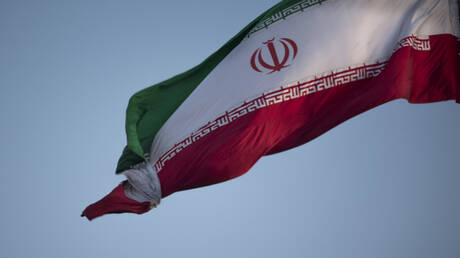
According to a senior Iranian official, international mediators have contacted Iran to discuss ways to enhance diplomatic efforts aimed at resolving the ongoing dispute over Iran's nuclear activities. This step is part of the international community's attempts to reduce escalating tensions in the region.
These communications are part of ongoing efforts to revive discussions related to the Iranian nuclear program, which has raised concerns among many Western countries, particularly the United States and its regional allies. This development comes at a sensitive time, as the involved parties seek to find peaceful solutions to the conflict.
Details of the Engagement
As Iran continues to develop its nuclear program, fears are growing that this could escalate tensions in the region. The Iranian official indicated that communications with the mediators include discussions on outstanding issues that hinder progress in negotiations. He also confirmed that Iran is willing to participate in any diplomatic efforts aimed at achieving positive outcomes.
The mediators who have reached out to Iran represent a group of countries seeking to achieve stability in the region, believing that dialogue is the optimal way to resolve disputes. Iran has shown readiness to engage in new talks, reflecting its desire to improve relations with the international community.
Background & Context
Historically, relations between Iran and Western countries have seen increasing tensions since the United States withdrew from the nuclear agreement in 2018. This withdrawal led to the imposition of strict economic sanctions on Iran, significantly impacting its economy. In recent years, Iranian nuclear activities have increased, raising concerns in the international community and leading to repeated calls to return to the negotiating table.
Iran seeks to assert its rights to develop a peaceful nuclear program, while Western countries demand that it curtail its nuclear activities and ensure they are not used for military purposes. This complex dynamic requires intensive diplomatic efforts to balance conflicting interests.
Impact & Consequences
If diplomatic efforts succeed in making progress, this could lead to a reduction in tensions in the region and open new avenues for cooperation between Iran and Western countries. It could also contribute to improving the economic situation in Iran, which is suffering from the repercussions of sanctions.
On the other hand, if these efforts fail, tensions may escalate further, increasing the likelihood of new conflicts in the region. This dynamic affects regional security and raises concerns about a potential arms race.
Regional Significance
The Arab countries neighboring Iran are among the most affected by the tensions arising from Iranian nuclear activities. Any progress in negotiations could contribute to regional stability and alleviate the security concerns faced by these countries. Additionally, improving relations between Iran and Western countries could pave the way for greater cooperation in various fields, such as economics and security.
Ultimately, hope remains that these diplomatic efforts will lead to positive results, contributing to peace and stability in the region and opening new avenues for cooperation among all parties involved.