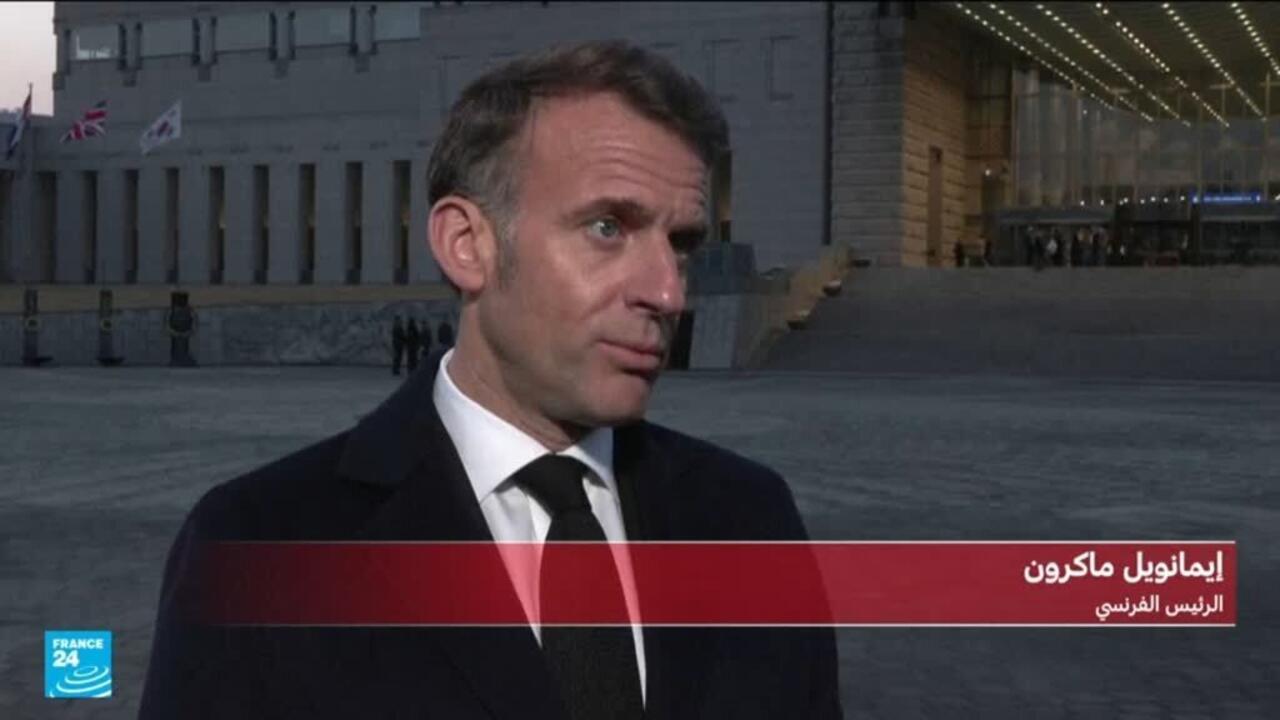
Around 36 countries gathered today in intensive diplomatic efforts aimed at reopening the Strait of Hormuz, which is considered one of the most important maritime passages in the world. Russian President Vladimir Putin confirmed that his country is ready to do whatever it takes to restore peace in the Middle East, as tensions in the region continue to escalate.
This meeting comes amid increasing European calls for de-escalation and the resumption of negotiations among the concerned parties. The participating countries have shown significant interest in finding peaceful solutions to the multiple crises affecting the region.
Event Details
The participating countries are seeking to exert diplomatic and political pressure to reopen the Strait of Hormuz, which is a vital artery for oil and gas transportation. Recently, the strait has witnessed heightened tensions, negatively impacting maritime traffic and global trade.
During his speech, President Putin expressed his concern over the current situation, indicating that Russia will make significant efforts to contribute to stability in the region. He also called for the resumption of dialogue among the concerned parties, asserting that military solutions would only exacerbate the crises.
Background & Context
The Strait of Hormuz is a key transit point for oil, with approximately 20% of the world's total oil passing through it. The strait has seen numerous incidents and tensions in recent years, including attacks on oil tankers and military threats from certain countries.
Historically, there have been numerous attempts to find peaceful solutions to the crises in the region, but these have often faced political and military obstacles. In this context, the current meetings present a new opportunity to reconsider peace and security strategies in the Middle East.
Impact & Consequences
If these diplomatic efforts succeed, it could lead to greater stability in the region, positively reflecting on the global economy. Reopening the strait would mean a return to normal trade flows, which would enhance the stability of oil prices in global markets.
On the other hand, if these efforts fail, we may witness an escalation of tensions, which could lead to negative impacts on the global economy and an increase in oil prices, adversely affecting oil-importing countries.
Regional Significance
The Arab countries neighboring the Strait of Hormuz are among the most affected by the tensions in this vital corridor. Any escalation in the situation could impact their security and economic stability. Therefore, the success of these diplomatic efforts would have a positive effect on regional security.
In conclusion, all eyes remain focused on the outcomes of the international meeting, with hopes that these efforts will yield practical solutions contributing to peace and stability in the region.