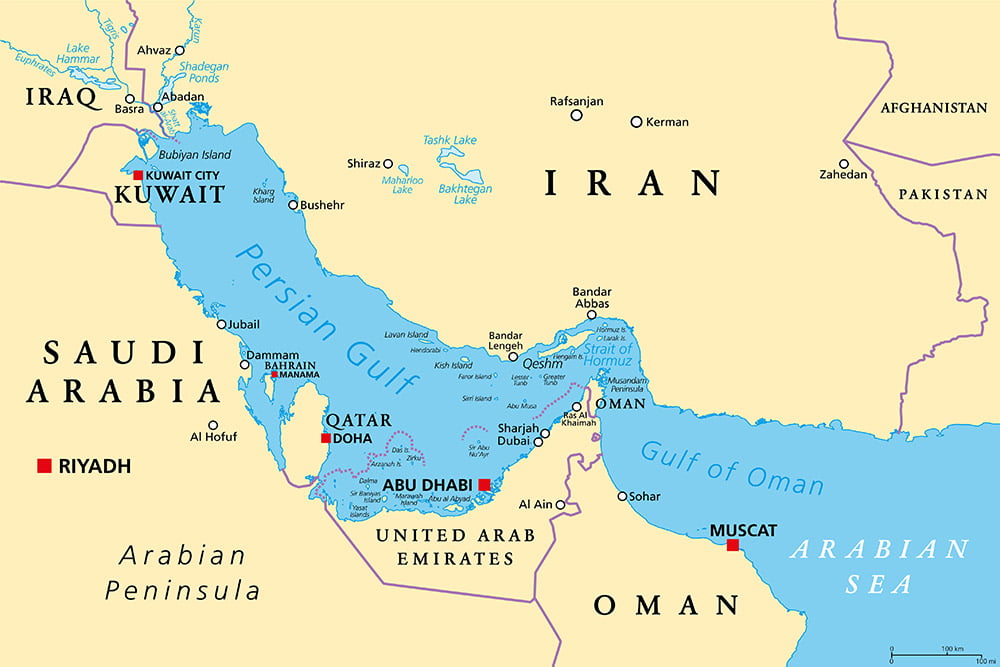
British Prime Minister Keir Starmer announced that the United Kingdom will host an international meeting this week with over 30 countries, aimed at discussing ways to restore and ensure the security of navigation in the Strait of Hormuz. This meeting comes at a sensitive time, as concerns grow over escalating tensions in the region, which are affecting maritime traffic.
The Strait of Hormuz is one of the most important maritime corridors in the world, through which approximately 20% of the world's total oil passes. Therefore, any threat to the security of navigation in this strait could significantly impact global oil markets and the economies dependent on these resources.
Event Details
The meeting will bring together a group of countries involved in securing maritime navigation, including European Union member states and Gulf Cooperation Council countries. New strategies for military cooperation and intelligence sharing are expected to be discussed, aimed at enhancing security in the region.
The meeting will also address potential threats from armed groups and regional conflicts that may affect navigation in the strait. This gathering follows a series of maritime incidents in the region, which have heightened international concerns about navigation security.
Background & Context
In recent years, the Strait of Hormuz has witnessed increasing tensions, especially following the United States withdrawal from the Iran nuclear deal in 2018. This has led to escalating tensions between Iran and Western countries, impacting maritime traffic in the area.
There are also fears that any military escalation could lead to the closure of the strait, which would result in rising oil prices and increased economic pressures on oil-importing countries. Thus, the upcoming meeting is a significant step towards addressing these issues.
Impact & Consequences
If the meeting succeeds in achieving consensus among the participating countries, it could enhance maritime security in the Strait of Hormuz, contributing to the stability of oil prices in global markets. Additionally, military cooperation among countries may help reduce risks associated with regional conflicts.
However, failure to reach an agreement could lead to escalating tensions, negatively impacting the global economy and increasing instability in the region. Therefore, the outcomes of this meeting will be pivotal in determining the course of events in the future.
Regional Significance
Arab countries, especially those located along the shores of the Gulf, are the most affected by tensions in the Strait of Hormuz. Security in this strait directly impacts their economies, as many of these countries rely on oil exports. Therefore, any steps towards enhancing security in the strait will be welcomed by these nations.
In conclusion, the anticipated meeting in Britain represents an important step towards addressing security issues in the Strait of Hormuz, reflecting international efforts to ensure the stability of maritime navigation in this vital region.