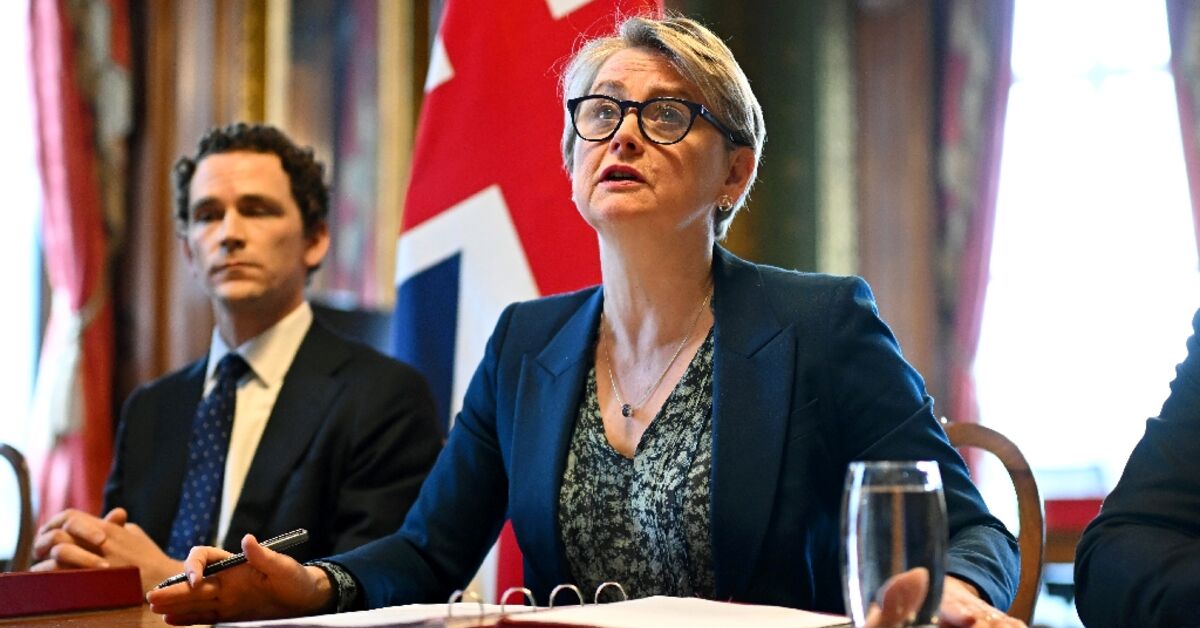
An international meeting involving around 40 countries, led by Britain, has concluded with a call for the immediate and unconditional reopening of the vital Strait of Hormuz. The meeting, held on Thursday, was convened in response to the ongoing crisis in the Strait of Hormuz, which is one of the world's most important maritime corridors, through which approximately 20% of the world's total oil passes.
British Foreign Secretary Yvette Cooper stated in her remarks that Iran seeks to hold the global economy hostage by controlling this strategic strait. She noted that the participating countries agreed on the necessity of respecting the principles of freedom of navigation and maritime laws.
Details of the Event
The meeting of the 40 nations, held in the British capital London, came at a time of escalating tensions in the Strait of Hormuz between Iran and Western countries. Discussions centered on ways to enhance maritime security and ensure freedom of navigation in the region, as this issue is sensitive and significantly impacts the global economy.
Additionally, Iranian threats regarding the closure of the strait were addressed, which could lead to rising oil prices and increased pressures on global markets. Cooper confirmed that the participating nations would not allow Iran to succeed in its attempts to threaten the global economy.
Background & Context
Historically, the Strait of Hormuz is a vital transit point for oil and natural gas, with nearly 15 million barrels of oil passing through it daily. In recent years, the strait has witnessed increasing tensions, particularly following the U.S. withdrawal from the Iranian nuclear deal in 2018, which led to heightened military and political tensions in the region.
Iran, for its part, has repeatedly asserted that it will not allow its sovereignty in the region to be undermined and considers any attempt to impose restrictions on navigation in the strait a direct threat to its national security. This ongoing conflict reflects broader tensions between Iran and Western nations and also highlights the geopolitical struggles in the Gulf region.
Impact & Consequences
The implications of this meeting could be significant; if the demands to reopen the strait are implemented, it could lead to stabilization of oil prices in global markets, which would positively impact the global economy. However, conversely, if tensions persist, this could escalate the situation in the region, negatively affecting security and stability.
Moreover, continued closure of the strait or threats to navigation could increase tensions between Iran and Western countries, potentially opening the door to further sanctions or even military intervention. Thus, the situation in the Strait of Hormuz remains a sensitive point that requires close monitoring by the international community.
Regional Significance
For Arab countries, any escalation in the Strait of Hormuz could directly affect their economies, especially those reliant on oil exports. Gulf countries, such as Saudi Arabia and the United Arab Emirates, are among the largest oil exporters, and any threat to freedom of navigation in the strait could lead to significant market fluctuations.
Furthermore, the stability of the region heavily relies on cooperation between Arab nations and Western countries in addressing Iranian threats. Therefore, the meeting held in London represents an important step towards enhancing this cooperation and ensuring regional stability.