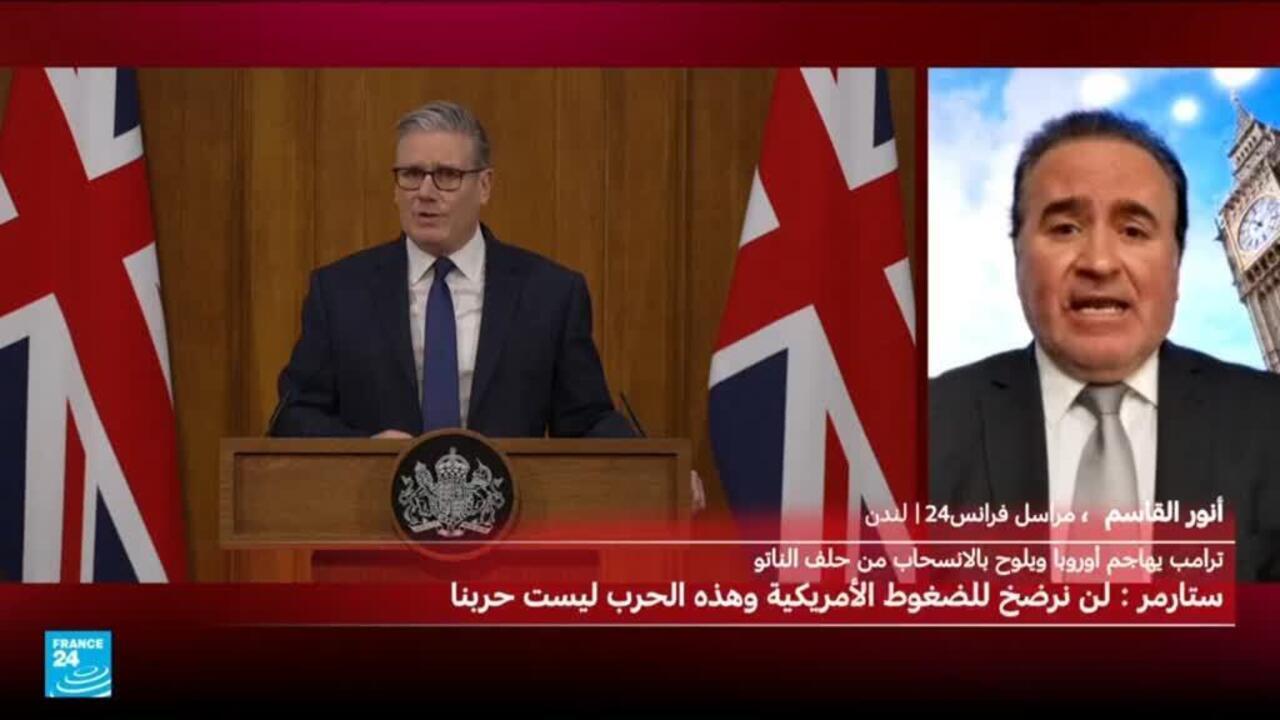
UK Prime Minister Keir Starmer announced on Thursday that the United Kingdom will host a meeting this week involving over 30 countries, as part of international efforts to restore and ensure maritime safety in the Strait of Hormuz. This meeting comes at a sensitive time, with growing concerns over escalating tensions in the region, particularly in light of repeated statements by U.S. President Donald Trump regarding Iran.
The Strait of Hormuz is a vital strategic point, through which approximately 20% of the world's oil passes. The region has witnessed numerous maritime incidents in recent years, including attacks on oil tankers, raising international concerns about the security of maritime navigation.
Details of the Event
The meeting hosted by the United Kingdom will bring together representatives from over 30 countries, including nations from the European Union and the Gulf Cooperation Council. The aim of the meeting is to establish joint strategies to enhance maritime security, share information about potential threats, and coordinate efforts to address any attacks that commercial vessels may face.
This initiative will serve as a response to the increasing tensions stirred by Trump, who has repeatedly accused Iran of threatening navigation in the region. These statements have led to increased pressure on Starmer from certain political circles in the UK, demanding a strong reaction to these threats.
Background & Context
Historically, the Strait of Hormuz has been the stage for numerous political and military crises. Since the Iranian Revolution in 1979, the region has experienced ongoing tensions between Iran and the United States and its allies. These tensions have particularly escalated following the U.S. withdrawal from the Iranian nuclear deal in 2018, which led to the imposition of severe economic sanctions on Iran.
In recent years, Iran has carried out several targeting operations against oil tankers, prompting Western nations to bolster their military presence in the region. These events have led to increasing calls from the international community to ensure the safety of navigation in the Strait of Hormuz.
Impact & Consequences
The upcoming meeting in London is considered an important step towards enhancing international cooperation in maritime security. If the meeting succeeds in establishing effective strategies, it could help reduce risks to maritime navigation and bolster the stability of global oil prices.
However, the success of these efforts largely depends on the willingness of participating countries to cooperate and coordinate their efforts. Additionally, Iran's reactions to these initiatives will be crucial in determining the future of relations between Iran and Western nations.
Regional Significance
The Gulf Arab states, particularly Saudi Arabia and the United Arab Emirates, are among the countries most affected by tensions in the Strait of Hormuz. These countries heavily rely on their oil exports, and any threats to navigation in the region could directly impact their economies.
Therefore, enhancing maritime security in the Strait of Hormuz is vital not only for Western interests but also for the interests of Arab nations that depend on these maritime routes. The meeting in London may represent an opportunity to unify efforts among these countries to face common challenges.
In conclusion, it remains to be seen how the situation will evolve after the meeting and whether the participating countries will be able to achieve tangible results that enhance maritime security in the Strait of Hormuz and alleviate regional tensions.