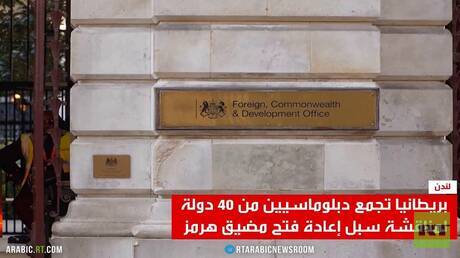
The UK held a virtual meeting with diplomats from over forty countries, discussing ways to pressure Iran to reopen the Strait of Hormuz. This meeting takes place at a sensitive time, as the Strait of Hormuz is one of the most important maritime passages in the world, through which approximately 20% of the world's oil passes.
The participating countries aim to find effective mechanisms to address the challenges facing navigation in this vital strait, especially amid escalating tensions between Iran and Western nations. This meeting reflects international efforts to ensure maritime safety and secure global energy supplies.
Event Details
The meeting was organized by the UK Foreign Office, where opinions were exchanged on how to enhance pressure on Tehran to comply with international maritime laws. Participants also discussed ways to strengthen cooperation among countries to ensure freedom of navigation in the strait.
Potential threats affecting commercial shipping were also reviewed, including attacks on oil tankers, which have seen a notable increase recently. Participants expressed concern over the escalation of Iranian military activities in the region.
Background & Context
The Strait of Hormuz, which extends between Iran and Oman, is a vital transit point for oil and natural gas. Historically, this strait has witnessed numerous crises and tensions, including military conflicts and threats from Iran to close it under certain circumstances.
In recent years, tensions between Iran and Western nations have increased, especially following the US withdrawal from the Iranian nuclear deal in 2018. This has led to heightened tensions in the region, making it essential for the international community to take steps to ensure maritime safety in the strait.
Impact & Consequences
If Iran continues to take steps that obstruct navigation in the Strait of Hormuz, it could lead to an increase in global oil prices, which would impact the global economy as a whole. Any escalation in tensions could also lead to military intervention by Western nations, complicating the situation in the region.
These developments are extremely significant, as any closure of the strait would directly affect oil-importing countries, especially those heavily reliant on supplies from the Arabian Gulf.
Regional Significance
The Arab countries neighboring the Strait of Hormuz, such as the United Arab Emirates and Saudi Arabia, are among the most affected by the tensions in the region. Any escalation could impact trade and transportation, leading to negative economic repercussions.
Moreover, the stability of the region heavily depends on the freedom of navigation in the Strait of Hormuz, making it crucial for Arab nations to cooperate with the international community to prevent worsening conditions.
The Strait of Hormuz remains a pivotal point in international politics, and the recent meeting reflects the international community's efforts to ensure maritime safety in this vital corridor. Amid ongoing tensions, hope remains pinned on diplomacy as a means to avoid military escalation and ensure regional stability.