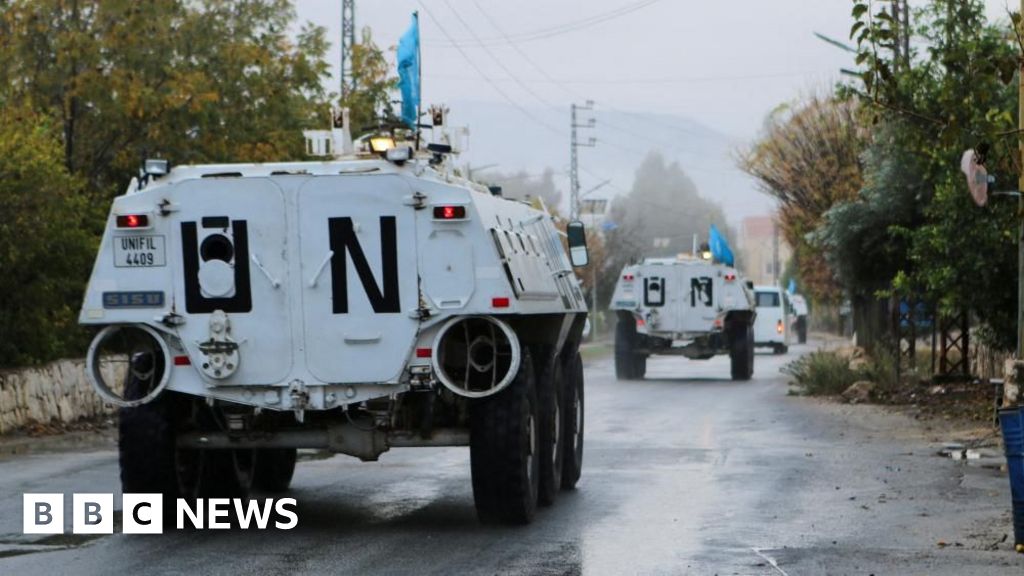
International peacekeeping forces in Lebanon, known as UNIFIL, were targeted by Israeli gunfire during patrols in the region, raising international concerns over escalating tensions at the Lebanese-Israeli border.
The recent incident comes at a sensitive time, as the region witnesses increasing tensions between Israel and Hezbollah, heightening fears of a military escalation that could impact stability in Lebanon and the broader region.
Details of the Incident
According to local sources, Israeli forces fired upon a UNIFIL patrol in southern Lebanon, resulting in injuries to one member of the international force. UNIFIL confirmed the incident, stating that they are assessing the situation in cooperation with Lebanese authorities.
This incident is not the first of its kind, as the region has seen several confrontations between Israeli forces and Hezbollah in recent years, raising questions about the role of peacekeeping forces in maintaining security and stability in the area.
Background & Context
UNIFIL was established in 1978 under a United Nations resolution, aimed at monitoring the ceasefire between Lebanon and Israel. However, the situation on the ground is often tense, with these forces facing pressure from all involved parties.
Historically, the Lebanese-Israeli border has seen numerous conflicts, especially following the 2006 war, which caused widespread destruction in Lebanon. Since then, UNIFIL has sought to stabilize the region, despite the significant challenges it faces.
Impact & Consequences
The recent escalation of Israeli fire against UNIFIL could have serious repercussions, not only for security in Lebanon but also for international relations. Such incidents may lead to increased calls for greater international intervention to protect civilians and ensure the safety of peacekeeping forces.
Moreover, the continuation of these tensions could negatively impact reconstruction efforts in Lebanon, which is already suffering from severe economic and political crises. Increased military tensions could lead to a decline in foreign investments and exacerbate humanitarian conditions.
Regional Significance
The events in Lebanon are part of a larger picture of tensions in the Middle East, where regional and international interests intersect. The escalation between Israel and Hezbollah could affect neighboring countries, such as Syria, complicating the situation in the region.
These events may also provoke reactions from Arab countries, which are striving for stability in the region, potentially leading to new diplomatic initiatives aimed at calming the situation.
In conclusion, the situation in Lebanon remains under close observation, as fears of military escalation that could impact regional security continue to grow. It is crucial that both international and local efforts are made to ensure the safety of civilians and protect peacekeeping forces.