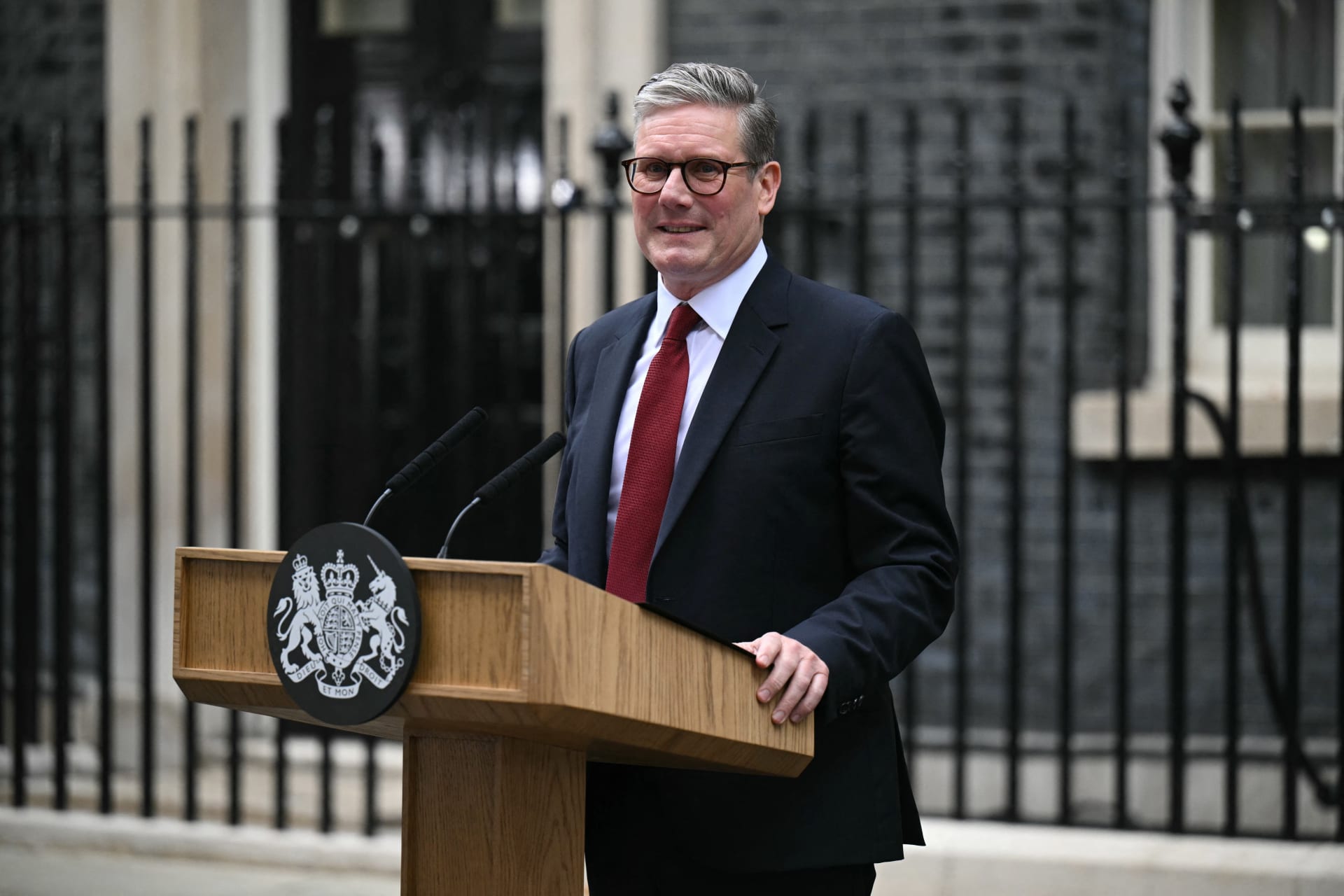
This week, all eyes are on London as Britain and France lead international talks involving approximately thirty countries, with the goal of forming a coalition to reopen the Strait of Hormuz. This initiative comes amid the continued closure of the strait by Iran since the outbreak of war, significantly impacting global shipping and trade.
The British newspaper "The Guardian" reported that Britain has offered to host an international security summit aimed at establishing a "feasible collective plan" to reopen the strait. This move comes at a time when concerns are rising over escalating tensions in the region and their impact on global energy supplies.
Details of the Event
The participating countries are striving to develop a comprehensive strategy that includes security measures and enhanced cooperation among the involved nations. Discussions are expected to cover ways to protect navigation in the Strait of Hormuz, which is considered one of the most important maritime corridors in the world, through which approximately 20% of the total oil transported by sea passes.
This initiative comes at a sensitive time, as tensions between Iran and Western countries have increased, leading to an escalation of conflict in the region. Many countries have expressed their willingness to participate in this summit, reflecting the importance of the issue for regional and international security.
Background & Context
The Strait of Hormuz, which stretches between Iran and Oman, is a vital point in global trade. For several years, the strait has witnessed increasing tensions due to regional conflicts, including the dispute between Iran and the United States. In recent years, Iran has bolstered its military presence in the region, further heightening tensions.
Historically, the strait has been the scene of numerous crises, witnessing incidents related to piracy and attacks on commercial vessels. These events have led to international calls for enhanced security in the region, contributing to the formation of new alliances among the involved countries.
Impact & Consequences
If the talks succeed in achieving their objectives, this could contribute to stabilizing the region and enhancing global trade flows. Reopening the Strait of Hormuz would alleviate pressures on oil prices, which have experienced significant fluctuations in recent years due to regional crises.
On the other hand, the countries participating in the summit may face significant challenges, including how to engage with Iran, which may view this move as a threat to its interests. Therefore, the success of these talks depends on the ability to balance various interests.
Regional Significance
The Arab countries neighboring the Strait of Hormuz, such as the United Arab Emirates and Saudi Arabia, are among the most affected by developments in the strait. Reopening the strait would enhance the stability of these countries and increase their capacity to export oil and gas, thereby contributing to the strengthening of their economies.
Moreover, the success of the talks could help improve relations between Arab countries and Iran, potentially opening new avenues for regional cooperation. At the same time, Arab countries must be prepared to deal with any negative repercussions that may arise from these discussions.
In conclusion, the talks taking place in London represent an important step towards achieving stability in the region and open the door to new opportunities for cooperation among the involved countries. It remains to be seen how events will unfold in the coming days and whether these efforts will bear fruit.