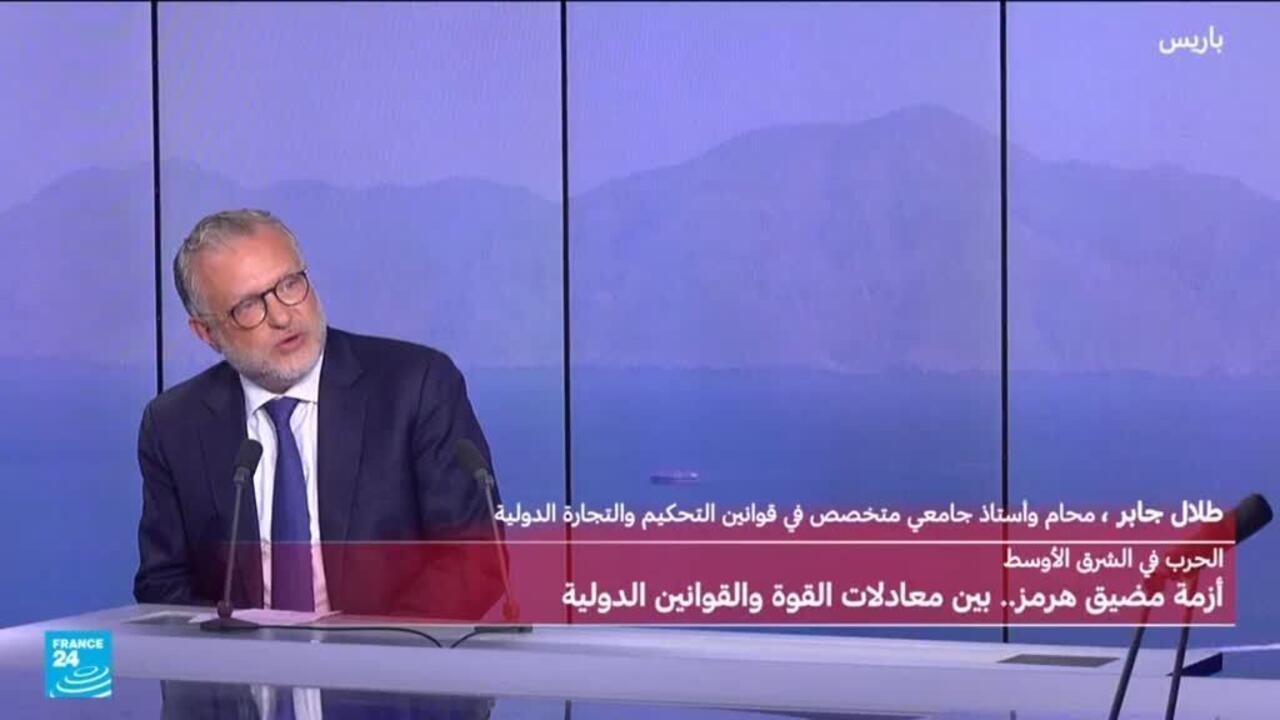
The world is focusing on the Strait of Hormuz, where the UK and France lead discussions with approximately thirty nations to form a coalition aimed at reopening the strait, closed by Iran since the onset of the Middle East conflict. In response, Tehran announced it would allow non-hostile vessels to pass through, raising questions about the future of navigation in this strategic region.
These developments come at a sensitive time, as the region has been experiencing increasing military escalation since the outbreak of the conflict, significantly impacting international trade. The Strait of Hormuz is considered one of the most important maritime passages in the world, through which approximately 20% of the world's total oil passes, making it a focal point in the economic and political strategies of major countries.
Details of the Event
British media reported that the talks taking place this week aim to form an international coalition tasked with reopening the Strait of Hormuz. This coalition is believed to include countries from various continents, reflecting the global significance of this issue. At the same time, Iran announced that it would allow non-hostile vessels to pass through the strait, which could be seen as a step to ease tensions, despite the ongoing restrictions imposed on other vessels.
It is noteworthy that the Strait of Hormuz has witnessed numerous maritime incidents in recent years, including attacks on oil tankers, which have heightened concerns regarding navigation security. These incidents have escalated tensions between Iran, the United States, and Gulf countries, making it essential to seek diplomatic solutions.
Background & Context
Historically, the Strait of Hormuz is considered a vital meeting point between East and West, playing a key role in securing energy supplies. For decades, the region has been the stage for multiple conflicts, ranging from the Iran-Iraq War to modern disputes involving armed groups and regional states. This historical backdrop reflects the complexities of the current situation, where economic interests intertwine with military and political dimensions.
In recent years, tensions between Iran and Western countries have increased, particularly following the United States' withdrawal from the nuclear agreement in 2018. This withdrawal led to the imposition of severe economic sanctions on Iran, affecting its ability to export oil and escalating tensions in the region.
Impact & Consequences
The formation of an international coalition to reopen the Strait of Hormuz could have significant impacts on the global economy. Opening the strait to navigation would restore confidence in oil markets, potentially contributing to price stability. Additionally, the success of the talks could be seen as an indicator of the possibility of achieving diplomatic progress in the region, which may help ease tensions between Iran and Western countries.
On the other hand, if Iran continues to impose restrictions on navigation, this could escalate the conflict and increase military tensions, negatively impacting the global economy and driving up oil prices. This situation may force major countries to reassess their strategies in the region.
Regional Significance
The Arab countries neighboring the Strait of Hormuz are considered the most affected by these developments. Opening the strait would enhance trade and transport between Gulf countries and the world, contributing to the support of their economies. Furthermore, stability in navigation through the strait would bolster regional security and reduce risks associated with military conflicts.
Conversely, ongoing tensions could pose a threat to regional security, as Arab countries may face additional pressures from major powers to intervene in their affairs. This situation requires Arab countries to strengthen their cooperation and coordinate efforts to ensure the security and stability of the region.
In conclusion, the Strait of Hormuz remains a pivotal point in international politics, where economic interests intersect with security dimensions. The success of international talks may contribute to reopening the strait, enhancing regional stability and restoring confidence in global energy markets.