Indonesian Minister of Culture, Fadli Zon, announced a new bill aimed at protecting and developing local languages, emphasizing their vital role in enhancing national identity. This announcement was made during a meeting with the Indonesian Senate in Jakarta, where Zon pointed out that local languages are not just means of communication but are a solid foundation for national culture.
Zon stressed the need for the government to adopt an active approach to preserving these languages, highlighting the importance of using, developing, and passing them down through generations. He explained that this project would enhance the community's ability to maintain its cultural heritage and reflect the diversity of Indonesian identity.
Details of the Initiative
During the meeting, Zon emphasized the importance of shifting efforts from mere passive preservation to active revitalization by integrating local languages into the educational system and utilizing digital technology. He also called for enhancing the role of youth in producing creative content based on local languages, which contributes to strengthening cultural identity.
He pointed out the significance of data-driven planning through the document titled "Local Cultural Ideas" (PPKD), which serves as a basis for cultural policy-making at the local level. He clarified that this document is not just an administrative paper but a vital tool to ensure that the policies enacted meet the actual needs of the community.
Background & Context
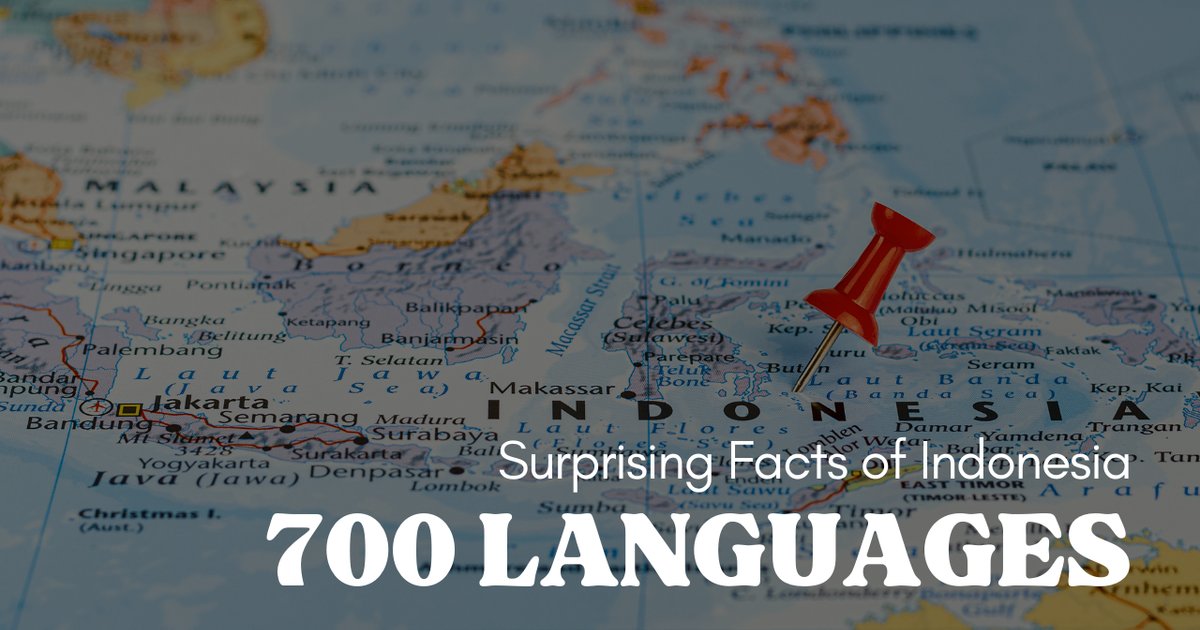
Indonesia is considered one of the most culturally and linguistically diverse countries in the world, with over 700 local languages. This diversity is an essential part of national identity and reflects a long history of interaction among different cultures. However, many of these languages face the threat of extinction due to globalization and social changes.
In recent years, the Indonesian government has begun taking serious steps to protect this cultural heritage. This has been manifested in several initiatives, including the introduction of local languages into school curricula and promoting cultural events that celebrate linguistic diversity.
Impact & Consequences
The new bill is considered an important step towards enhancing national identity and protecting cultural diversity. By supporting local languages, Indonesia can strengthen its ability to face cultural and economic challenges in the age of globalization.
This initiative could also contribute to boosting cultural tourism, as visitors can learn about the country's rich linguistic and cultural heritage. Therefore, protecting local languages is not just a cultural issue; it is also an economic and social one.
Regional Significance
Many Arab countries also face similar challenges in preserving their languages and cultures amid globalization. Indonesia's experience can serve as an inspiration for Arab nations on how to enhance cultural identity and protect local languages through effective government policies.
Strengthening cultural and linguistic identity can contribute to enhancing national unity in Arab countries, thereby promoting their social and economic stability.