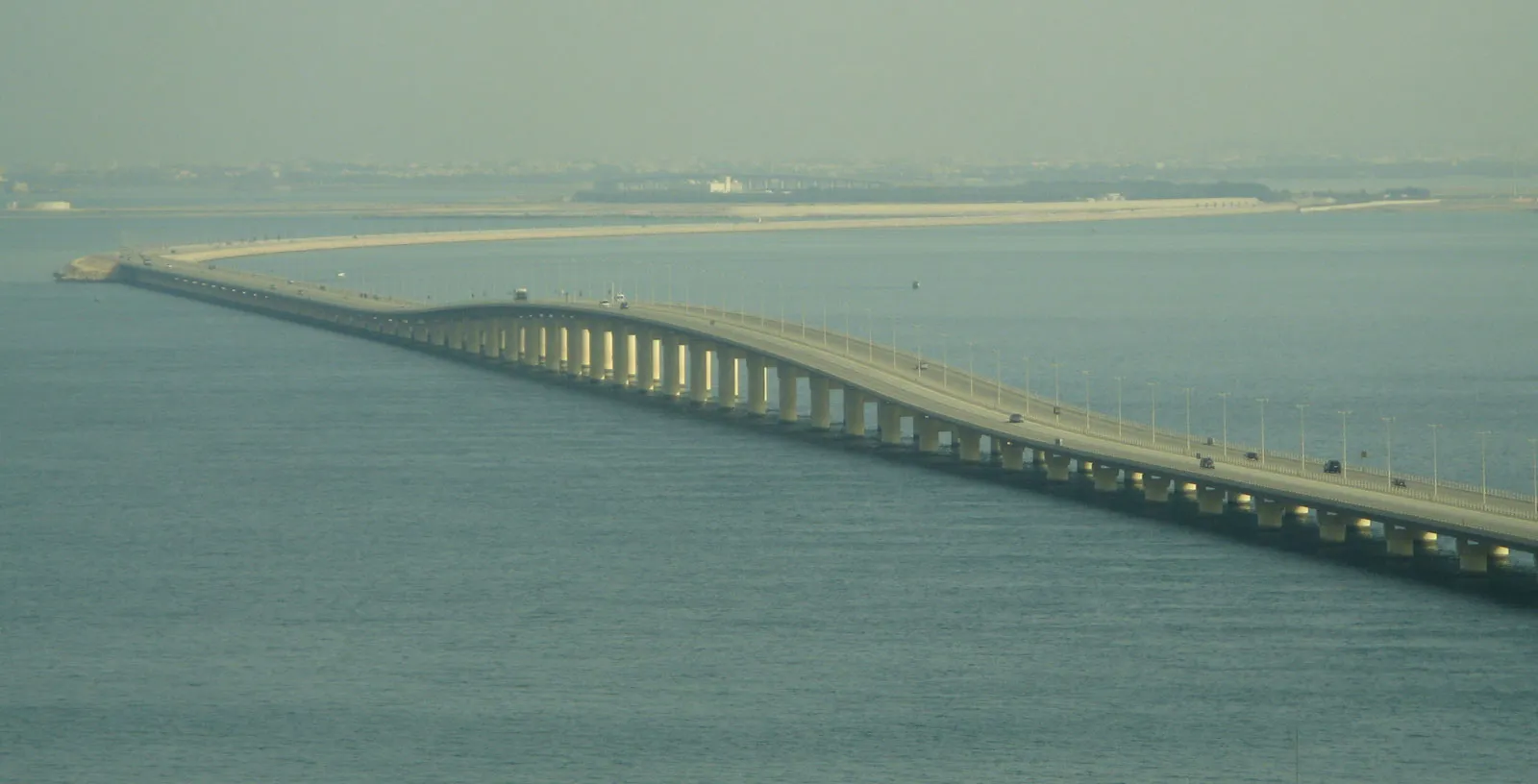
The General Directorate of Passports in the Kingdom of Saudi Arabia has announced the introduction of electric scooters at the King Fahd Bridge crossing in the Eastern Province, a move aimed at enhancing the efficiency of services provided to travelers and easing the movement of employees. This initiative is part of the efforts by the Passports Directorate to improve the visitor experience and reduce congestion at border crossings.
This step is part of a broader strategy aimed at utilizing modern and sustainable transportation methods, as the Passports Directorate seeks to implement new technologies that contribute to speeding up procedures and reducing the time taken for transactions. Electric scooters will facilitate employee movement between various work points within the crossing, contributing to overall performance improvement.
Details of the Initiative
This new service was launched in the presence of several officials from the Passports Directorate, where high-spec electric scooters were showcased to ensure user safety. It was emphasized that these scooters will be used exclusively by employees, ensuring that they do not affect the movement of travelers.
This initiative comes at a time when the King Fahd Bridge crossing is witnessing a noticeable increase in the number of travelers, necessitating improved services and streamlined procedures. Reports have indicated that the use of electric scooters will contribute to reducing congestion and enhancing the speed of services provided.
Background & Context
Saudi Arabia is one of the countries striving to adopt modern technologies across various fields, including passport services. In recent years, the Kingdom has witnessed numerous developments in this area, with advanced electronic systems introduced to facilitate procedures and reduce the time taken for transactions.
This move aligns with the Kingdom's Vision 2030, which aims to improve quality of life and promote the use of sustainable transportation methods. Additionally, the use of electric scooters is in line with the global trend towards environmental conservation and reducing carbon emissions.
Impact & Consequences
This initiative is expected to have a positive impact on the traveler experience, as it will help reduce the time spent on procedures. Moreover, the use of electric scooters will enhance work efficiency within the crossing, reflecting the Passports Directorate's commitment to providing high-quality services.
Furthermore, this step may encourage the adoption of more sustainable solutions across various sectors, enhancing the Kingdom's position as a leading center for innovation and technology in the region.
Regional Significance
This initiative serves as a model for other Arab countries, potentially inspiring them to adopt similar technologies to improve their services. With the increasing need to enhance efficiency at border crossings, the use of electric scooters may become a popular option in the future.
This step also reflects the general trend towards innovation and technology in the region, contributing to enhanced cooperation between Arab countries in the field of improving public services.
In conclusion, the use of electric scooters at the King Fahd Bridge crossing represents a positive step towards improving services and facilitating movement, reflecting the Kingdom's commitment to adopting sustainable and innovative solutions.