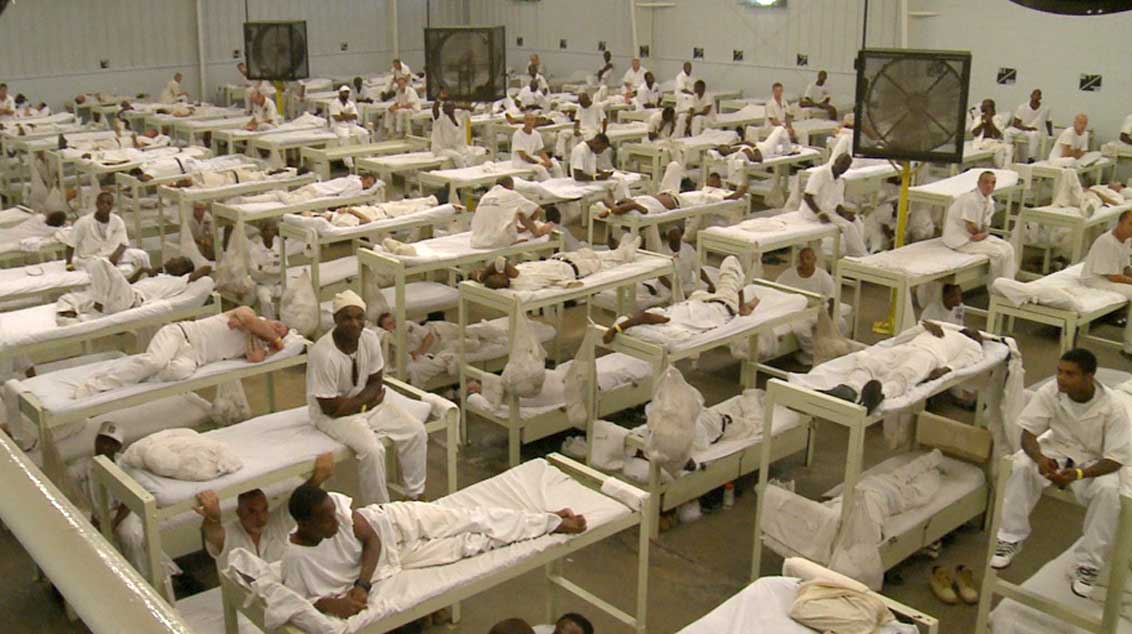
Reports indicate that some prisons around the world have begun offering paid services to improve living conditions for inmates, raising questions about justice and equality in the penal system. This phenomenon is emerging in several countries, where prisoners can pay amounts of money to access better rooms, higher quality food, and even additional services like internet access.
This move is controversial, as many question its impact on prisoners' rights and whether it exacerbates the gap between those who can afford to pay and those who cannot. While society seeks to improve prison conditions, these practices may lead to increased social disparities.
Details of the Trend
In many countries, such as the United States and some European nations, certain prisons have started offering options for inmates to enhance their living conditions. For instance, inmates can pay additional fees for single rooms or special meal services. These services are not available to everyone, prompting questions about fairness in the penal system.
The prices that inmates pay to improve their conditions range from hundreds to thousands of dollars, depending on the type of service provided. This situation highlights the significant variation in how prisons address inmate issues and reflects the economic and social disparities among individuals.
Background & Context
Historically, prisons were seen as places of punishment, but over time, the focus has shifted towards rehabilitation. However, the introduction of paid services to improve prison conditions reignites the debate about the concept of punishment and justice. In some countries, these practices represent a step towards better conditions, while others view them as a means to reinforce social inequalities.
There is increasing pressure on penal systems worldwide to improve prison conditions, especially following reports of abuse and overcrowding. However, offering paid services may create a dual system where the wealthy can enhance their conditions while others remain in harsh environments.
Impact & Consequences
These practices may deepen the divide between individuals in society, as those with financial means can improve their conditions while others endure difficult circumstances. This situation could provoke strong reactions from civil society, which may view these practices as unjust.
Moreover, this phenomenon could affect how society perceives prisons and inmates. If prisons are seen as places that can be improved through financial means, the concept of punishment may shift from mere penalization to a system that favors the wealthy.
Regional Significance
In the Arab region, issues of human rights and prison conditions remain sensitive topics. This phenomenon may raise awareness about prisoners' rights and prompt governments to reconsider their penal policies. With increasing international and local pressures to improve human rights, these practices could serve as a catalyst for policy changes in some countries.
In conclusion, this phenomenon raises numerous questions about justice and equality in penal systems. While some strive to improve prison conditions, the introduction of paid services may reinforce social disparities, necessitating the need for more just and transparent solutions.