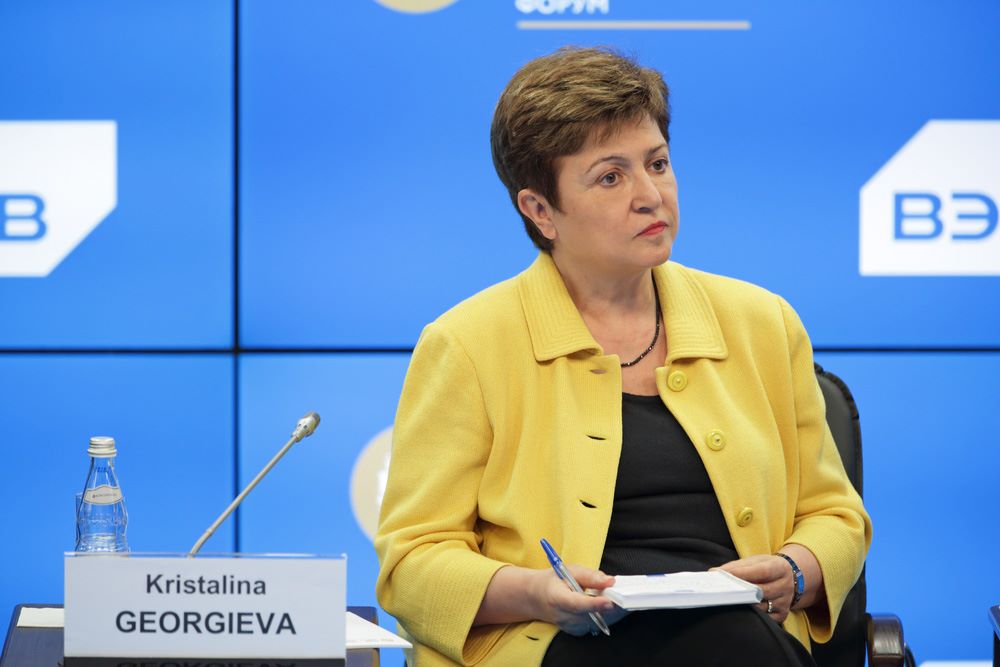
A prominent fund manager at Invesco, a leading asset management company, announced that the rise in the value of the US dollar since the beginning of the war in Iran is merely a temporary increase. She confirmed that the dollar is suffering from an overvaluation, which raises questions about the sustainability of this rise amid the current global economic conditions.
These statements come at a time when the US dollar is experiencing noticeable fluctuations, having significantly increased in value due to geopolitical and economic crises. However, the manager believes that this rise does not reflect the true economic fundamentals but is rather a result of temporary factors that may not last long.
Details of the Event
Since the onset of the war in Iran, the US dollar has seen a remarkable recovery, rising significantly against many major currencies. This increase occurs at a time when the global economy is under increasing pressure, making it difficult to predict the continuity of this rise. The manager at Invesco, who has extensive experience in financial markets, confirmed that this increase may be driven by investor fears of instability, prompting them to seek safe havens like the dollar.
Despite this, forecasts indicate that the dollar may face pressures in the near future, especially with ongoing geopolitical tensions and changes in monetary policies. The manager warned that investors should be cautious about relying on this rise as a signal of the dollar's strength in the long term.
Background & Context
Historically, the US dollar has experienced significant fluctuations in its value, directly influenced by major global events. Since the beginning of the 21st century, there have been several financial and geopolitical crises that led to substantial changes in the dollar's value. For instance, following the events of September 11, the dollar saw a significant rise as a safe haven, but it quickly declined thereafter.
The recent war in Iran is considered one of these events that may impact global financial markets. The escalation of tensions in the region could lead to increased demand for the dollar as a reserve currency, but at the same time, it may result in significant fluctuations in financial markets.
Impact & Consequences
Negative forecasts regarding the dollar could significantly affect global financial markets. If pressures on the dollar continue, we may witness a shift in investment strategies, as investors may seek to diversify their portfolios away from the dollar. This could lead to increased demand for other currencies such as the euro and the Japanese yen.
Moreover, these forecasts may influence the monetary policies of central banks, which may need to reassess their strategies in the face of dollar fluctuations. If the dollar continues to decline, we may see movements by central banks to support their local currencies.
Regional Significance
For the Arab region, fluctuations in the dollar have significant impacts on local economies. Many Arab countries heavily rely on the dollar for international trade, meaning that any changes in its value could affect prices and public budgets. For example, a rising dollar could lead to increased import costs, putting pressure on local economies.
Furthermore, geopolitical tensions in Iran may affect the stability of financial markets in the region, increasing economic uncertainty. Under these circumstances, Arab countries must be prepared to face potential economic challenges resulting from dollar fluctuations.