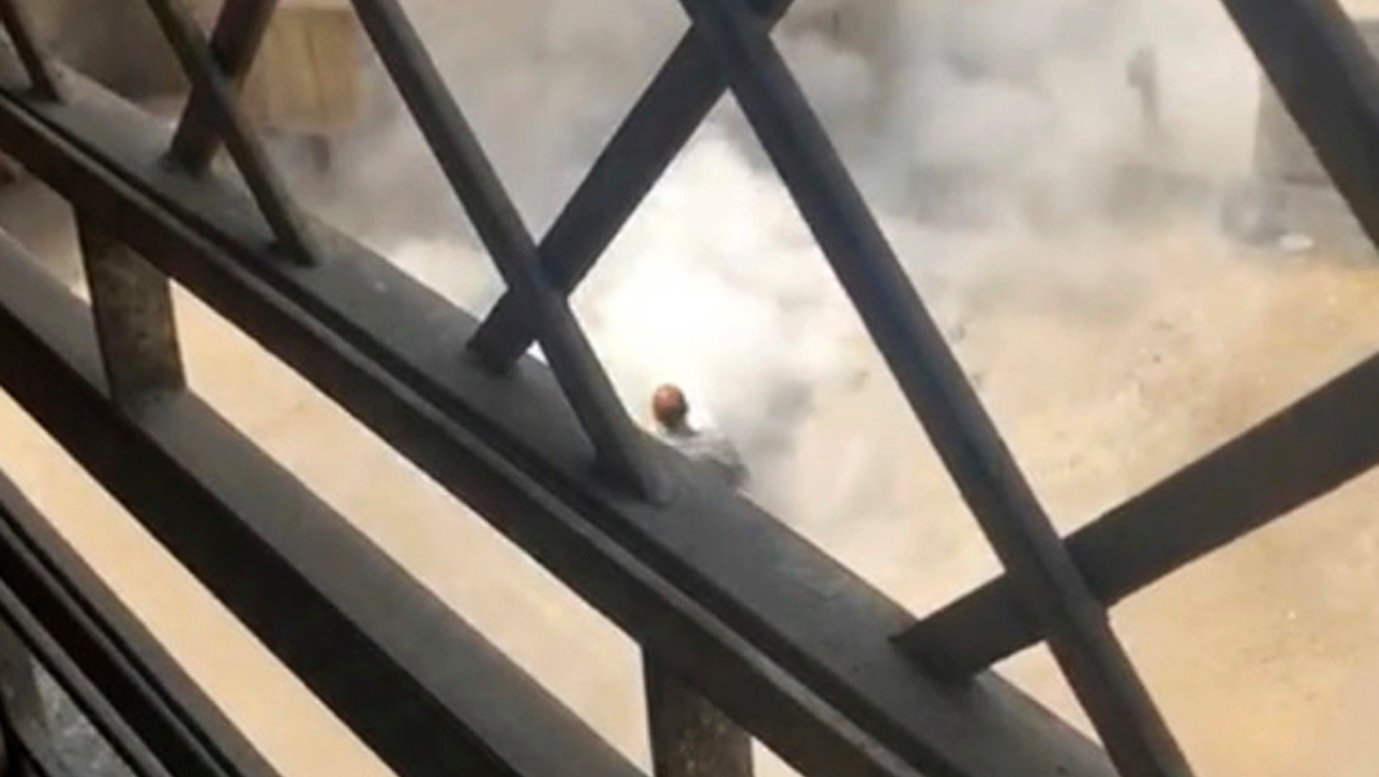
Investigations in Egypt have revealed the involvement of terrorist Ali Abdelwanis in the bombing of the Cancer Institute in Cairo, which resulted in the deaths and injuries of dozens. Information has also shown that he was planning to target the presidential aircraft, raising significant concerns about national security in the country.
These incidents are part of a series of terrorist operations that Egypt has witnessed in recent years, targeting state institutions and citizens alike. These events come at a sensitive time as the Egyptian government seeks to enhance security and stability in the country.
Details of the Incident
On August 4, 2020, a devastating explosion occurred at the Cancer Institute in Cairo, leading to the destruction of a large part of the building and serious injuries among patients and staff. Preliminary investigations indicated that the explosion resulted from a collision between a vehicle loaded with explosives and another vehicle, leading to its detonation. Ali Abdelwanis has been identified as one of the main suspects in this attack.
Furthermore, reports indicated that Abdelwanis was planning to target the presidential aircraft, which increases the severity of the terrorist threats facing the country. He was arrested following a series of intensive security operations, where evidence was found indicating his involvement in these operations.
Background & Context
Historically, Egypt has witnessed numerous terrorist attacks, especially since the 2011 Revolution. The frequency of these attacks escalated after the ousting of the Muslim Brotherhood regime in 2013, with extremist groups targeting police, military, and civilians. However, the bombing of the Cancer Institute represents a serious shift in the nature of attacks, as it targets a medical facility and affects the lives of patients.
The Egyptian government is striving to combat terrorism, having strengthened security measures across the country, including increasing troop numbers in sensitive areas and intensifying surveillance operations. Nevertheless, threats remain, necessitating new strategies to address these challenges.
Impact & Consequences
These events raise significant concerns about security in Egypt, emphasizing the need to enhance efforts to combat terrorism. The targeting of the presidential aircraft reflects the evolution of terrorist capabilities, requiring a swift and effective response from the government. These events are likely to increase pressure on the government to bolster security and improve public services, especially in hospitals and vital facilities.
Moreover, these incidents could impact tourism and investment in Egypt, as security is a crucial factor in attracting tourists and investors. Therefore, the government needs to take tangible steps to restore confidence in public safety.
Regional Significance
The terrorist events in Egypt are part of a broader phenomenon occurring in the Arab region, where security threats are increasing in many countries. From Iraq and Syria to Libya, governments face significant challenges in confronting extremist groups. The targeting of civilians and vital institutions reflects the instability experienced by many Arab countries, necessitating international cooperation to combat terrorism.
In conclusion, the events related to Ali Abdelwanis and the bombing of the Cancer Institute serve as a stark reminder of the security challenges facing Egypt and the region. The current situation requires a comprehensive response from all stakeholders to ensure security and stability in the area.