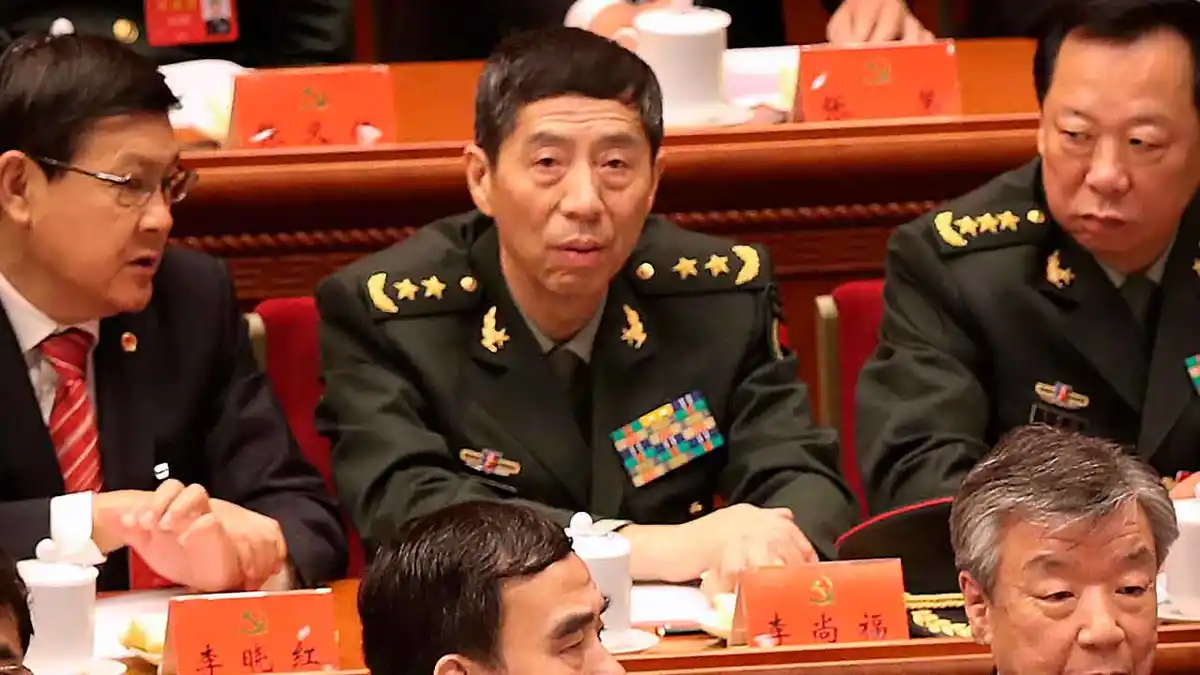
In a move that reflects the continuation of the extensive anti-corruption campaign within the Chinese Communist Party, the party's disciplinary body announced on Friday that Ma Xingrui, the former party official in Xinjiang and a member of the political bureau, is under investigation. This decision comes amid suspicions of his involvement in violations of discipline and law, highlighting the ongoing efforts by the Chinese leadership to combat corruption at all levels.
This campaign is part of a broader strategy aimed at enhancing transparency and integrity within the party, as the Chinese government seeks to restore citizens' trust in state institutions. Strict measures have been taken against numerous officials in recent years, reflecting the Chinese leadership's commitment to fighting corruption.
Details of the Investigation
Ma Xingrui, who served as the party's official in Xinjiang, is considered one of the prominent figures in the party and was appointed to the political bureau, one of the highest leadership bodies in the party. The investigation into him comes at a sensitive time, as China faces numerous internal and external challenges, including issues related to human rights in Xinjiang.
The party's disciplinary body has not disclosed specific details regarding the nature of the alleged violations but confirmed that the investigations will encompass all aspects of Ma Xingrui's conduct during his tenure. This step could have significant repercussions on his political career and may open the door for further investigations into potential corruption cases within the party.
Background & Context
Historically, the Chinese Communist Party has witnessed multiple anti-corruption campaigns, but the current campaign, which began in 2012 under the leadership of President Xi Jinping, is considered the most comprehensive. This campaign represents part of the government's efforts to strengthen control over the party and reduce corruption that could threaten the stability of the regime.
Over the past years, many prominent officials, including former ministers and local leaders, have been investigated, leading to trials and severe penalties. These campaigns are not only aimed at combating corruption but also at enhancing the authority of the central leadership and diminishing local influence.
Impact & Consequences
These investigations are part of a broader strategy aimed at enhancing political stability in China. While the government seeks to improve its image in front of the international community, fighting corruption is considered an effective tool to achieve this. However, this campaign may create an atmosphere of fear among officials, potentially affecting decision-making within the party.
Moreover, these investigations could impact the relationship between the party and the public, as citizens look for tangible results in the fight against corruption. If the government succeeds in achieving this, it may bolster citizens' trust in the system, but failure to do so could lead to eroded trust and increased discontent.
Regional Significance
The Chinese anti-corruption campaign serves as a model for some Arab countries facing similar challenges. Amid rampant corruption in certain regimes, there may be an urgent need to adopt similar strategies to enhance transparency and integrity.
Additionally, the economic and political relations between China and Arab countries may be affected by these developments, as China seeks to strengthen its partnerships in the region. If China succeeds in improving its internal image, it may enhance its ability to attract investments and economic partnerships with Arab nations.
In conclusion, the anti-corruption campaign in China remains a compelling topic, reflecting the challenges faced by the Chinese government in its quest to maintain system stability and enhance trust among citizens.