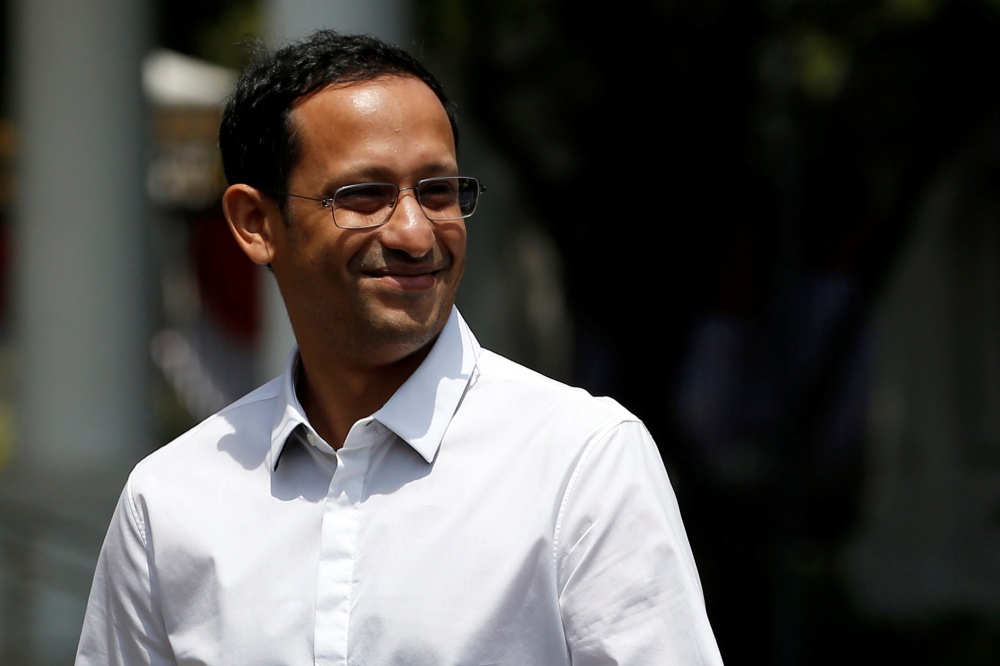
In a significant development, tax experts from the Directorate General of Taxes under Indonesia's Ministry of Finance confirmed that Nadiem Anwar Makarim, the former Minister of Education, Culture, Research, and Technology, did not disclose receiving 809 billion rupiah in his tax return. This information emerged during a hearing at the Corruption Eradication Commission in Jakarta, where investigations are underway concerning corruption linked to an education digitization program.
The mentioned amount is alleged to be connected to a corruption case regarding the procurement of Chromebook devices, with Makarim accused of involvement in corruption estimated at around 2.18 trillion rupiah, resulting in significant losses to public funds.
Details of the Case
During the session, tax expert Medigati clarified that the tax declaration is prepared based on the final balance of the year rather than individual transactions. He noted that the amount in question appeared in reports from Gojek Indonesia, where GoTo, the parent company of Gojek, made a substantial investment in the company.
The case pertains to the education digitization program implemented between 2019 and 2022, where Makarim is alleged to have conducted purchases of Chromebook devices and managed the equipment in a manner inconsistent with the planned guidelines, leading to a waste of public funds.
Background & Context
This corruption case is part of a series of scandals that have plagued the Indonesian government in recent years, with increasing allegations of corruption across various sectors. The timing of this case is particularly sensitive, as the government seeks to bolster public trust in its institutions.
Historically, Indonesia has witnessed numerous corruption cases that have impacted the government's reputation, leading to growing calls for reforms in the governance system. The education digitization program is considered part of efforts to improve the quality of education in the country, but this case may negatively affect those efforts.
Impact & Consequences
If the allegations are proven true, the Indonesian government may face serious repercussions regarding the loss of trust in its institutions. Additionally, this case could lead to greater calls for reforms in the education system, as corruption is viewed as one of the major obstacles to improving the quality of education in the country.
Moreover, this case may impact foreign investments in Indonesia, as corruption is one of the primary factors affecting the business environment. Foreign companies may hesitate to invest in an environment perceived as unstable or unreliable.
Regional Significance
This corruption case serves as a reminder of the vital role that transparency and accountability play in building trust in governments. In the Arab region, where many countries have faced similar corruption issues, this case could provide a lesson on the importance of combating corruption and enhancing transparency in government institutions.
Ultimately, the case of Nadiem Makarim stands as another example of the challenges governments face in combating corruption and fostering public trust. Governments worldwide, including those in the Arab states, must take effective steps to ensure transparency and accountability across all sectors.