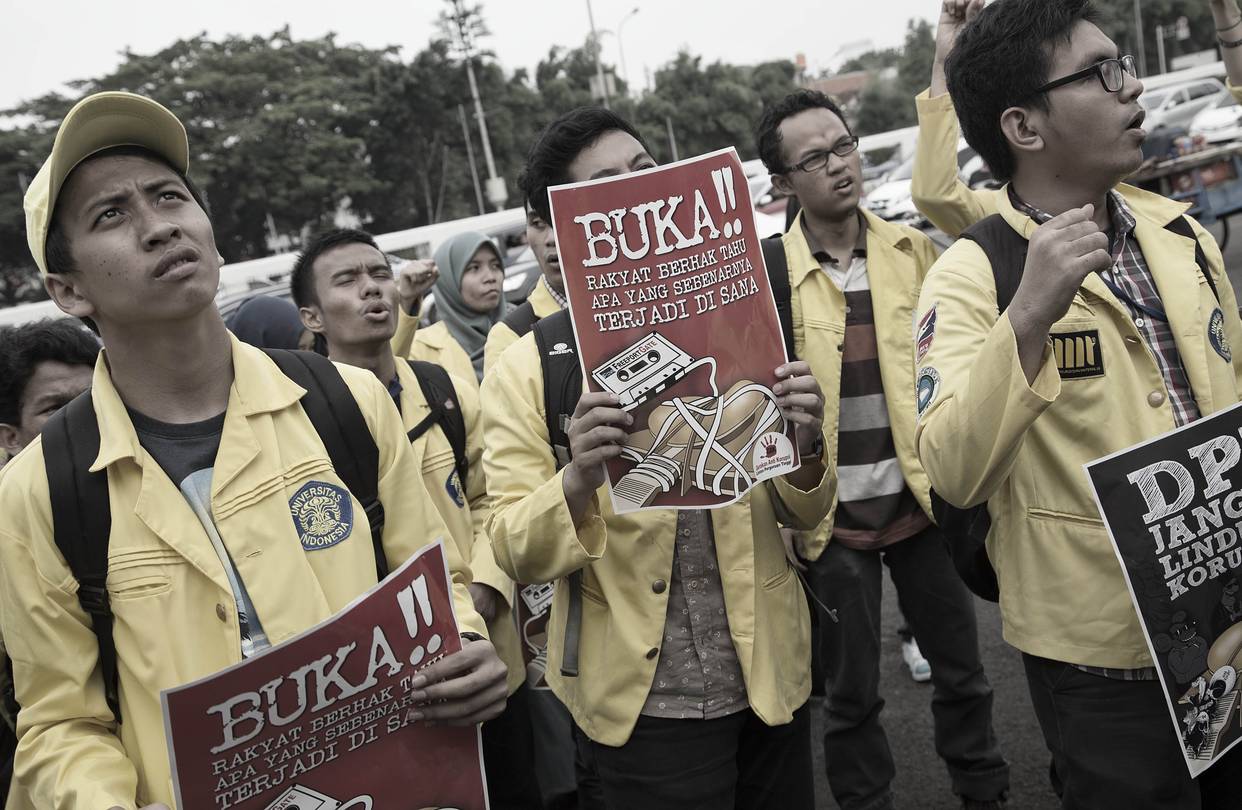
The Indonesian Corruption Eradication Commission (KPK) is working to uncover the details surrounding a corruption case involving the registration of village employees. Six witnesses have been interrogated as part of the ongoing investigations related to the former Bupati of Pati, Sudiyo. KPK spokesperson, Budi Prasetyo, confirmed that the investigations are focusing on the details of the money transfers associated with the employee registrations.
The witnesses were questioned on April 2, 2026, including candidates for positions in various villages, as well as heads of some villages and individuals from the private sector. This step follows the arrest of Sudiyo on January 19, 2026, which caused a significant uproar in political and administrative circles in Indonesia.
Details of the Arrest
On January 19, 2026, the KPK conducted a surprise arrest of Sudiyo, who was serving as the Bupati of Pati, along with seven other individuals. The following day, they were taken to the KPK headquarters in Jakarta to continue the investigations. On the same day, charges were brought against four other individuals for corruption related to the appointment of village employees.
The accused include Sudiyo and other village heads such as Abdul Suyono, Sumargino, and Karjian. Additionally, Sudiyo faces bribery charges related to a railway development and maintenance project, complicating the case further.
Background & Context
The corruption case involving Sudiyo is one of many that Indonesia has faced in recent years, as the country grapples with increasing issues related to corruption in the public sector. Reports have shown that corruption in Indonesia adversely affects economic and social development, necessitating strong intervention from authorities to combat this phenomenon.
Historically, Indonesia has struggled with chronic corruption issues, leading to the establishment of the KPK in 2002 as an independent body to combat corruption. Since then, the commission has investigated numerous high-profile cases, contributing to increased public awareness about the importance of fighting corruption.
Impact & Consequences
This case serves as a wake-up call for the Indonesian government and civil society, highlighting the need to enhance transparency and accountability in public affairs management. If the charges are proven, it could have serious repercussions on the government's reputation and increase distrust among citizens.
Moreover, this case may impact foreign investments in Indonesia, as investors seek a corruption-free business environment. Strengthening efforts to combat corruption could help improve the investment climate and foster economic development.
Regional Significance
The corruption case in Indonesia exemplifies the challenges faced by many countries in the Arab region as well. Some Arab nations are experiencing similar issues related to corruption and mismanagement, affecting development and stability. Enhancing transparency and accountability in Arab governments could contribute to improving economic and social conditions.
In conclusion, the Sudiyo case represents an opportunity to reassess anti-corruption strategies in Indonesia and offers valuable lessons for other countries, including those in the Arab world, regarding the importance of transparency and accountability in promoting sustainable development.