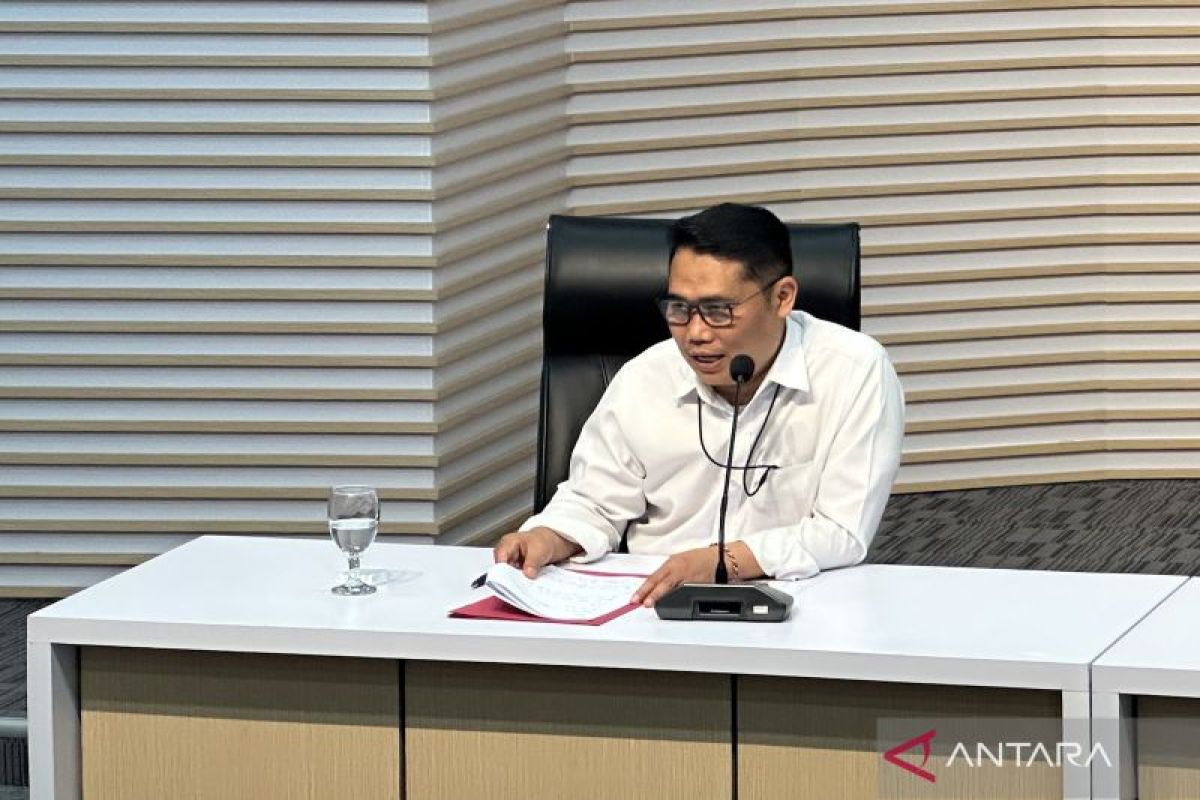
The Indonesian Corruption Eradication Commission (KPK) has declared that it will not cease identifying suspects in the corruption case related to the Hajj lottery. The commission's vice chairman, Asep Guntur Rahayu, stated that investigations are ongoing to gather the necessary evidence for new charges. This announcement was made during a press conference in Jakarta on Monday, March 30, 2026.
Rahayu noted that the commission is working to collect evidence from various stakeholders, including government and private entities, to identify more suspects in this case, which has sparked widespread controversy in Indonesian society.
Details of the Investigation
As part of the investigations, Ismail Adham, the executive director of MakTour, and Asrul Aziz Taba, the head of the Indonesian Hajj and Umrah Travel Agencies Association, have been identified as new suspects in the case. This development is seen as a positive step following the significant support the commission has received from the community.
Rahayu also confirmed that the commission is working to complete the investigation files to present them for trial soon. Investigations into this case began on August 9, 2025, revealing corruption issues related to the Hajj lottery for the years 2023 and 2024.
Background & Context
The roots of this case lie in the rampant corruption within the management of Hajj in Indonesia. On January 9, 2026, charges were announced against Yaqut Cholil Qoumas, the former Minister of Religious Affairs, and Ishfah Abid Aziz, one of his assistants. Financial losses estimated at around 622 billion rupiah have been revealed as a result of these corrupt practices, according to reports from the Indonesian Financial Audit Bank.
On March 12, 2026, Yaqut Cholil was detained, while his assistant was arrested on March 17. A request from Yaqut's family to transfer him to house arrest was accepted on March 19.
Impact & Consequences
This case is considered one of the largest corruption scandals in Indonesia, raising concerns about the integrity of Hajj and Umrah management. The scandal has affected citizens' trust in the government, prompting many to call for radical reforms in the administrative system.
The ongoing investigations show that corruption is not merely an individual problem but a deeply rooted system that requires structural changes to ensure transparency and accountability. This presents a significant challenge for the Indonesian government amid increasing public pressure.
Regional Significance
Corruption issues in the management of Hajj and Umrah are sensitive matters that concern the Islamic world, affecting millions of Muslims seeking to perform Hajj rituals. Transparency and integrity in managing these religious rites are priorities, especially given the increasing numbers of pilgrims from Arab and Islamic countries.
What is happening in Indonesia may reflect on other countries, necessitating enhanced cooperation among Islamic nations to ensure better management of Hajj and Umrah rituals and to avoid any practices that could harm the reputation of these sacred rites.