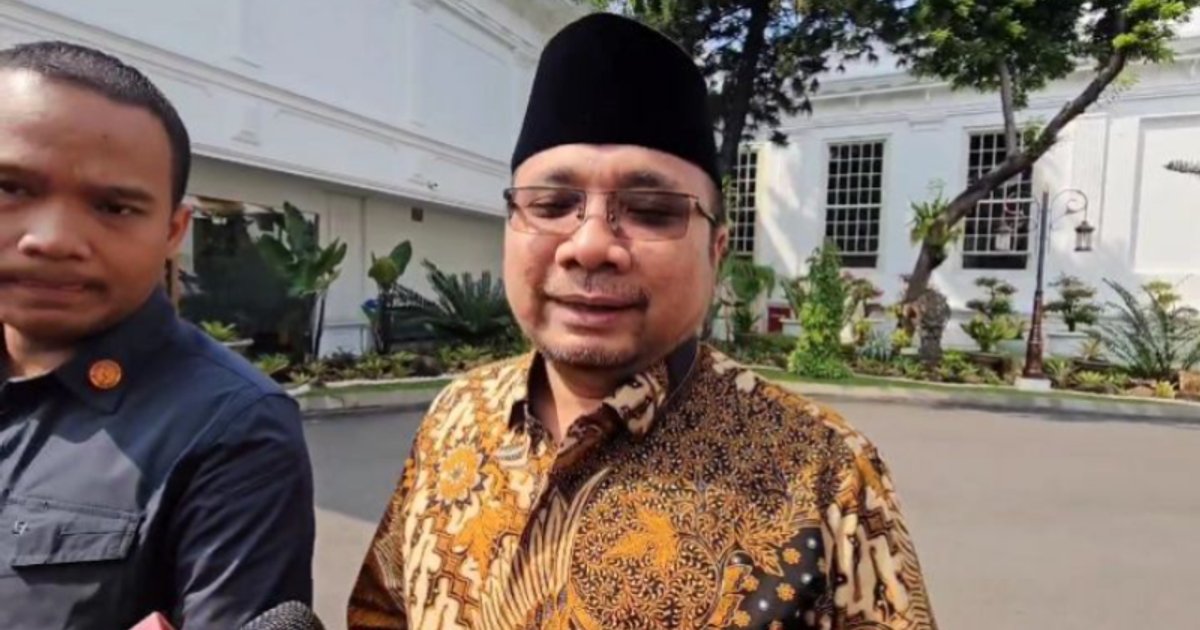
The Indonesian Corruption Eradication Commission (KPK) has confirmed that it has contacted Asroal Aziz, the suspect in a corruption case related to the Hajj quota, who has been located in Saudi Arabia. The commission's spokesperson, Budi Prasetyo, stated that investigations are ongoing and that the commission hopes for the suspect's return to Indonesia as soon as possible.
Prasetyo explained that Asroal Aziz, who previously served as the head of the Indonesian Hajj and Umrah Travel Agencies Association, must respond to the commission's invitation to complete the investigations. He noted that all parties involved wish to resolve this case as quickly as possible.
Details of the Incident
Investigations into the Hajj quota corruption case in Indonesia began on August 9, 2025, when manipulation in the distribution of Hajj quotas was uncovered. On January 9, 2026, it was announced that former Minister of Religious Affairs Yaqut Sholil Qoumas and another ministry employee, Isfah Abid Al-Aziz, were arrested as part of the investigations.
On February 27, 2026, the commission announced that it had received a report from the Financial Supervisory Agency regarding financial losses resulting from this case, estimated at around 622 billion Indonesian Rupiah. On March 12, 2026, Yaqut Sholil was arrested, while Isfah was placed under house arrest following a request from his family.
Background & Context
The Hajj quota corruption case is considered one of the largest scandals Indonesia has faced in recent years, as Hajj represents one of the most important religious rituals for Muslims. This case has sparked strong reactions from the Indonesian community, which expresses its dissatisfaction with the rampant corruption in government institutions.
Historically, Indonesia has faced significant challenges in managing Hajj affairs, with recurring complaints from pilgrims about the lack of transparency in quota distribution. This case has contributed to increased calls for radical reforms in the country's Hajj system.
Impact & Consequences
The repercussions of this case extend beyond Indonesia, raising concerns about how Hajj affairs are managed in other Islamic countries. Corruption in quota distribution could negatively impact Indonesia's reputation as a Hajj destination, potentially leading to a decline in the number of pilgrims in the future.
Moreover, this case may open the door for further investigations into other corruption issues within the Indonesian government, reflecting the urgent need to enhance transparency and accountability across all sectors.
Regional Significance
The Hajj quota corruption case in Indonesia is of particular importance to Arab countries, as Hajj is one of the most significant religious rituals that unites Muslims from around the world. Any manipulation or corruption in Hajj management can affect relations between Islamic countries and bolster calls for reforms in Hajj administration.
In conclusion, the Hajj quota corruption case in Indonesia serves as an example of the challenges faced by Islamic countries in managing their religious affairs, highlighting the necessity of enhancing transparency and accountability to ensure the rights of pilgrims.