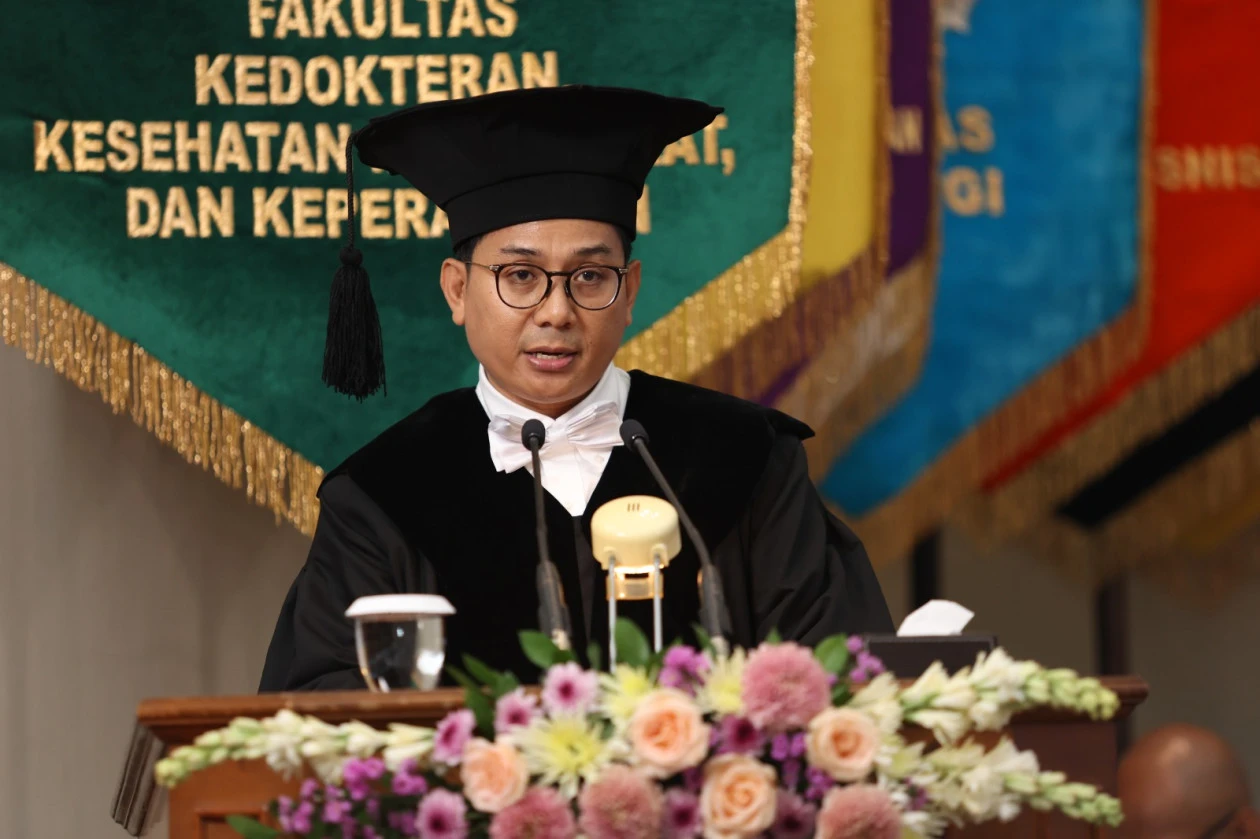
The Indonesian Corruption Eradication Commission (KPK) is actively pursuing its investigations into the corruption case involving Muhammad Fakhri Thubari, the Bupati of Regang Lebong. This follows Thubari's arrest during an anti-corruption operation on March 9, 2026, where he was detained alongside the vice bupati and several other individuals.
KPK spokesperson Budi Prasetyo reported that the investigations focus on examining the funds received by Thubari and how they were managed, which are believed to be linked to government projects executed by private companies. Witnesses were interrogated on April 7, 2026, with an emphasis on their relationships with Thubari and the management of government contracts.
Details of the Investigation
The investigations involve questioning several officials from the Public Works and Housing Department in Regang Lebong, concentrating on how government projects were executed. It is believed that Thubari solicited bribes ranging from 10-15% of the project values from private companies operating in the area. These bribes were allegedly intended to fund financial grants for citizens during holidays.
Among the witnesses interrogated were several senior officials from the Public Works Department, indicating that the investigations may encompass higher levels of governmental accountability. The names of some companies believed to be involved in these operations have also been disclosed.
Background & Context
Corruption issues in Indonesia are complex challenges that affect the country’s economic and social development. Over the years, Indonesia has witnessed numerous scandals involving government officials, leading to a loss of trust in governmental institutions. The KPK was established in 2002 as part of the government's efforts to combat corruption and enhance transparency.
Historically, Indonesia has struggled with high levels of corruption, impacting its investments and economic growth. However, the efforts made by the KPK have contributed to some progress in fighting corruption, despite ongoing challenges.
Impact & Consequences
This case serves as another test of the KPK's effectiveness in addressing corruption within the country. If the charges against Thubari are proven, it could lead to serious repercussions for his political reputation and the future of his party. Additionally, this case may affect public trust in the government and increase calls for broader reforms within the system.
It is likely that this case will lead to greater demands for accountability and transparency in the management of public funds, potentially strengthening efforts to combat corruption in Indonesia.
Regional Significance
Corruption issues are of concern to many Arab countries, where numerous governments face similar challenges. Indonesia's experience in combating corruption could serve as an inspiration for Arab nations seeking to enhance transparency and accountability in their governments. Furthermore, international cooperation in fighting corruption could lead to improved economic and social conditions in the region.
In conclusion, the case of Muhammad Fakhri Thubari highlights the importance of combating corruption in promoting sustainable development and building trust between governments and citizens.