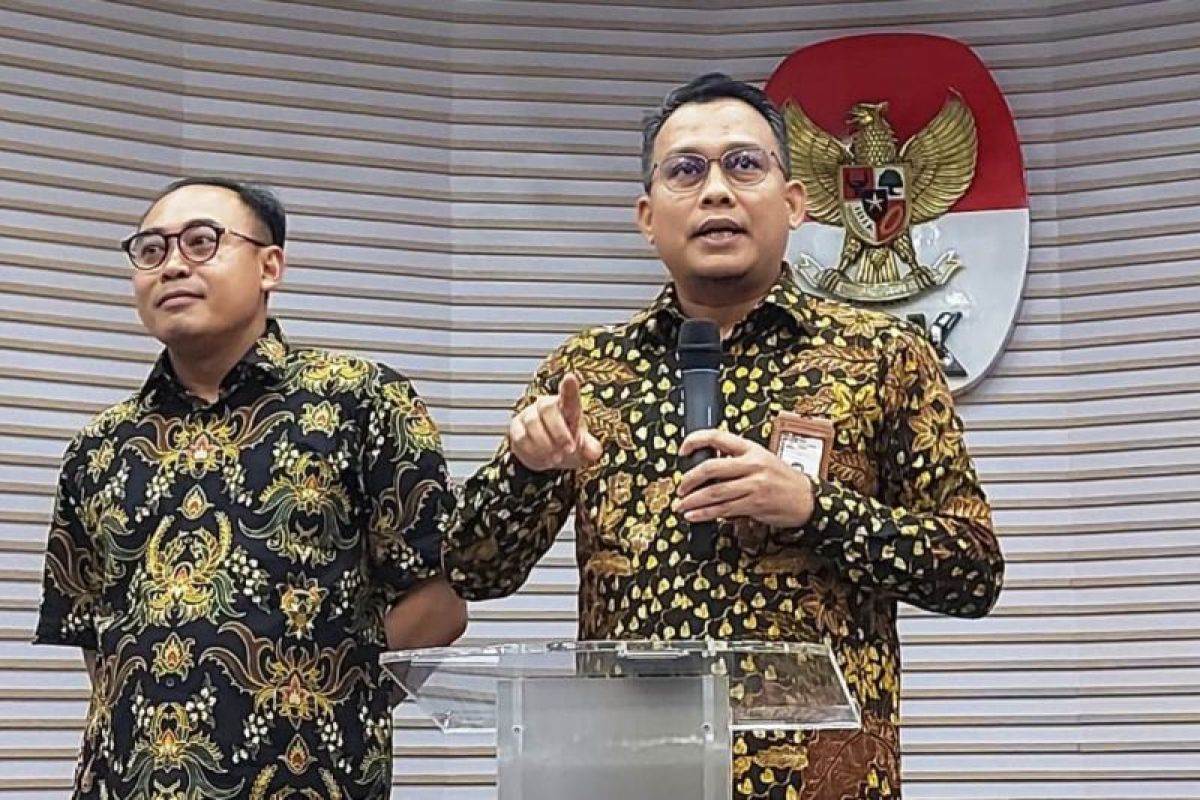
The Indonesian Corruption Eradication Commission (KPK) has summoned four witnesses in the city of Malang, East Java, as part of ongoing investigations into a corruption case involving the management of foreign labor permits, commonly referred to as RPTKA. The commission's spokesperson, Budi Prasetyo, confirmed that the four witnesses will be interrogated at the local police station.
The witnesses include HHI and YW from the private sector, along with NLD and EN as housewives. This action follows the commission's revelation of the identities of eight suspects in the case, including government employees from the Ministry of Labor.
Details of the Case
On June 5, 2025, the KPK announced the names of eight suspects in the corruption case, who are alleged to have amassed approximately 53.7 billion Indonesian Rupiah through corrupt practices related to the management of RPTKA from 2019 to 2024, during the tenure of Minister of Labor Ida Fauziyah.
The RPTKA is a prerequisite for foreign workers to be employed in Indonesia, where failure to issue this permit can delay the issuance of work and residence permits, imposing fines on foreign workers of up to 1 million Indonesian Rupiah per day.
Background & Context
The roots of this case trace back to the tenure of Abdullah Muhiuddin Iskandar, known as Chuck Imin, who served as Minister of Labor from 2009 to 2014, continuing through Hanif Dhakiri from 2014 to 2019, and then Ida Fauziyah from 2019 to 2024. It has been revealed that corruption in the management of RPTKA persisted throughout these years.
On October 29, 2025, the KPK added a new suspect to the case, Heri Sadarmento, who served as the Secretary General of the Ministry of Labor during Hanif Dhakiri's term.
Impact & Consequences
This case serves as a glaring example of rampant corruption within Indonesian government institutions, raising questions about the effectiveness of government oversight and measures taken to combat corruption. The exposure of these corrupt practices could negatively impact the reputation of the Indonesian government and increase public distrust in government institutions.
Moreover, ongoing investigations may lead to changes in policies regarding foreign labor, which could affect the labor market in Indonesia and increase challenges for foreign workers.
Regional Significance
This corruption case is particularly significant for the Arab region, as many Arab countries invest in Indonesia and employ foreign labor. Corruption in the management of work permits could affect economic relations between Arab nations and Indonesia, complicating investment and employment procedures.
In conclusion, this case underscores the urgent need to enhance transparency and accountability in government institutions to ensure a fair and safe working environment for both foreign and local labor.