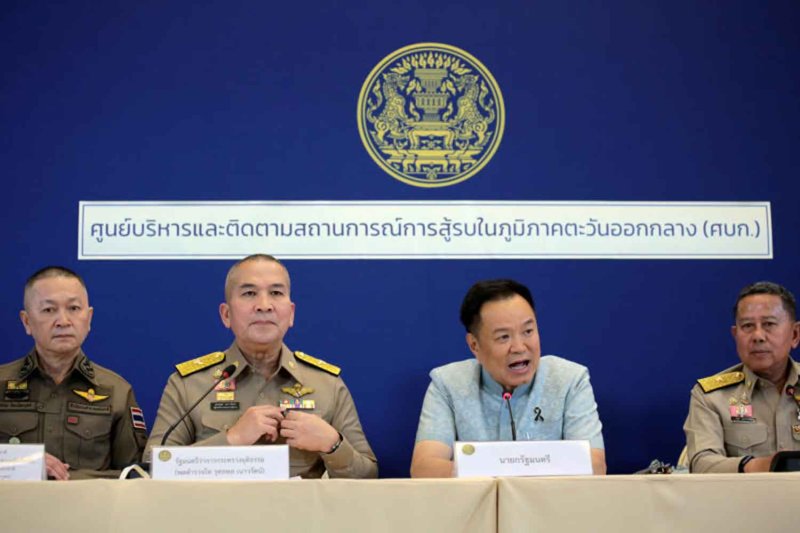
The Department of Special Investigations (DSI) in Thailand has announced that it will summon P.C. Siam Petroleum in Surat Thani to clarify allegations related to illegal oil storage. This step comes after directives from Thai Prime Minister Anutin Charnvirakul to gather data on oil storage in facilities, indicating the government's interest in monitoring the oil market.
A task force assigned to the investigation, led by the DSI's Director General, Pol Maj Yuthana Praidam, held an urgent meeting on Saturday to establish a framework for the investigation. This action was taken after inspections conducted earlier at six major oil depots in Surat Thani revealed alleged violations.
Details of the Investigation
Preliminary investigations have shown that P.C. Siam Petroleum may have stored approximately 2 million liters of oil, with significant discrepancies in its records regarding inventory and sales during February and March. The company is expected to be summoned to clarify these discrepancies, as such actions may be considered violations of the Goods and Services Price Act.
The case, which may be classified as a special case, requires approval from the Board of the Department of Special Investigations due to its criminal nature. The preparation of the case file is expected to be completed and submitted to the board next week.
Background & Context
Illegal oil storage issues are sensitive matters in Thailand, where the oil industry plays a vital role in the national economy. In recent years, the country has witnessed several investigations into illegal practices in this sector, reflecting the need for stricter oversight to ensure transparency and integrity.
It is worth noting that P.C. Siam Petroleum is not the only company in this context, as other companies like PTT Oil and Caltex have cooperated with regulatory authorities during inspections, emphasizing their commitment to transparency and compliance with standards.
Impact & Consequences
The outcomes of the investigations could significantly affect the reputation of the companies involved, as well as impact the oil market in Thailand. If violations are proven, companies may face hefty fines or even legal actions that could lead to changes in management or organizational structure.
This case may also raise consumer concerns about the stability of oil prices in the country, as any price increases resulting from illegal practices could affect the economy as a whole.
Regional Significance
Monopolistic practices and oil storage issues are concerns for many Arab countries, as some nations face similar challenges in this sector. Enhancing transparency and combating corruption in the oil industry could have a positive impact on economic stability in the region.
In conclusion, the ongoing investigations in Thailand represent an important step towards strengthening oversight of the oil market, which may contribute to improving economic conditions and enhancing trust between consumers and government entities.