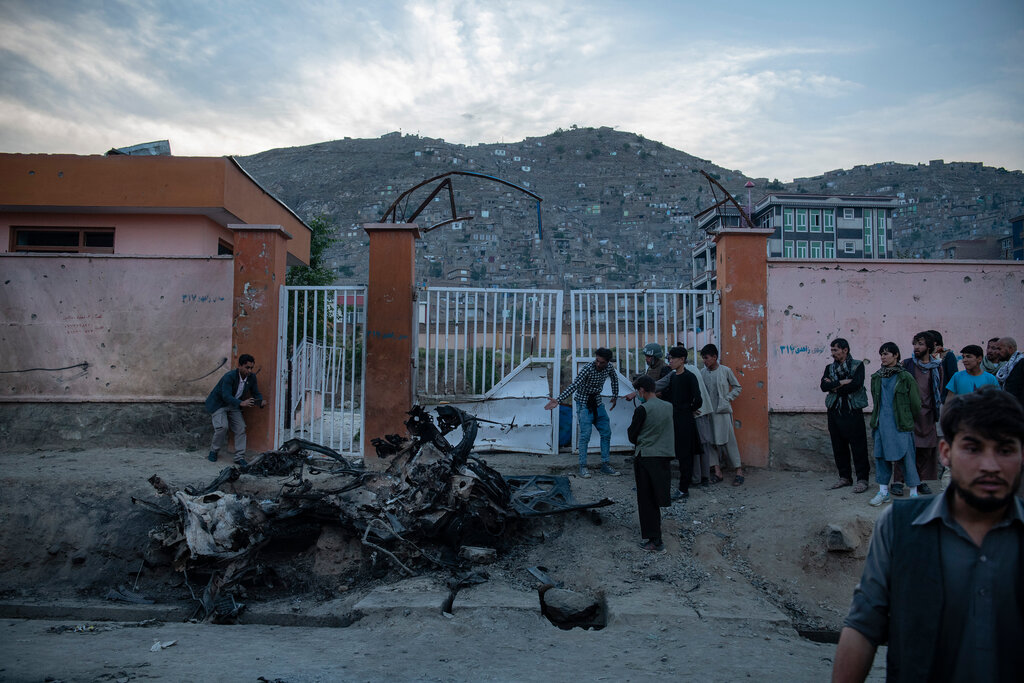
The British newspaper The Guardian reported that the massacre at the Shajarat Taybah primary school in Minab, Iran, was not the result of an artificial intelligence error, but rather a series of human decisions that led to mass killings. The public discourse has shifted to misleading questions about the role of artificial intelligence in selecting targets, ignoring the real political and military responsibility.
On the morning of February 28, 2026, the school was bombed by U.S. forces at least twice, resulting in the deaths of between 175 and 180 people, most of whom were girls aged between seven and twelve years old. However, the public discussion did not focus on how the bombing decision was made but rather shifted to another question: Did artificial intelligence play a role in the targeting?
Misleading Narratives Surrounding AI
The narrative surrounding the Minab school massacre has been clouded by discussions about artificial intelligence. Many have questioned whether AI systems were involved in the decision-making process that led to the bombing. However, investigations indicate that the decisions made by human operators were the primary cause of the tragedy. This raises critical questions about accountability and the ethical implications of using AI in military operations.
Critics argue that focusing on AI detracts from the real issues at hand, such as the need for better oversight and accountability in military decision-making. The Mevin Project, which aims to accelerate military decision-making processes, has been cited as a contributing factor to the rapid escalation of such tragic incidents.
Background & Context
The Minab school massacre is not an isolated incident; it reflects a broader trend in military operations where technology is increasingly relied upon for decision-making. The use of AI in warfare has sparked debates about its implications for human life and ethical considerations. Previous incidents in American military history have shown similar patterns, where technology was blamed instead of addressing the human factors involved.
In this context, the Minab massacre serves as a stark reminder of the importance of human judgment in military operations. The reliance on AI systems without adequate human oversight can lead to catastrophic outcomes, as seen in this tragic event.
Impact & Consequences
The consequences of the Minab school massacre extend beyond the immediate loss of life. It has sparked outrage and calls for accountability from various human rights organizations and activists. The incident has highlighted the urgent need for reforms in military decision-making processes, particularly regarding the use of AI technologies.
Furthermore, the tragedy has raised awareness about the vulnerabilities of civilian populations in conflict zones. It underscores the necessity for stricter regulations and ethical guidelines governing the use of military technology to protect innocent lives.
Regional Significance
The Minab school massacre has significant implications for the region. It has drawn attention to the ongoing conflicts in the Middle East and the impact of foreign military interventions on civilian populations. The incident has sparked debates about the role of external forces in regional conflicts and the need for greater accountability.
As discussions continue, it is crucial to focus on the human elements behind military decisions rather than solely attributing blame to technology. The Minab tragedy serves as a critical case study for understanding the complexities of modern warfare and the responsibilities that come with it.
In conclusion, the Minab school massacre is a tragic reminder of the consequences of human decisions in military operations. It emphasizes the need for accountability and the importance of ensuring that technology is used ethically and responsibly in conflict situations.