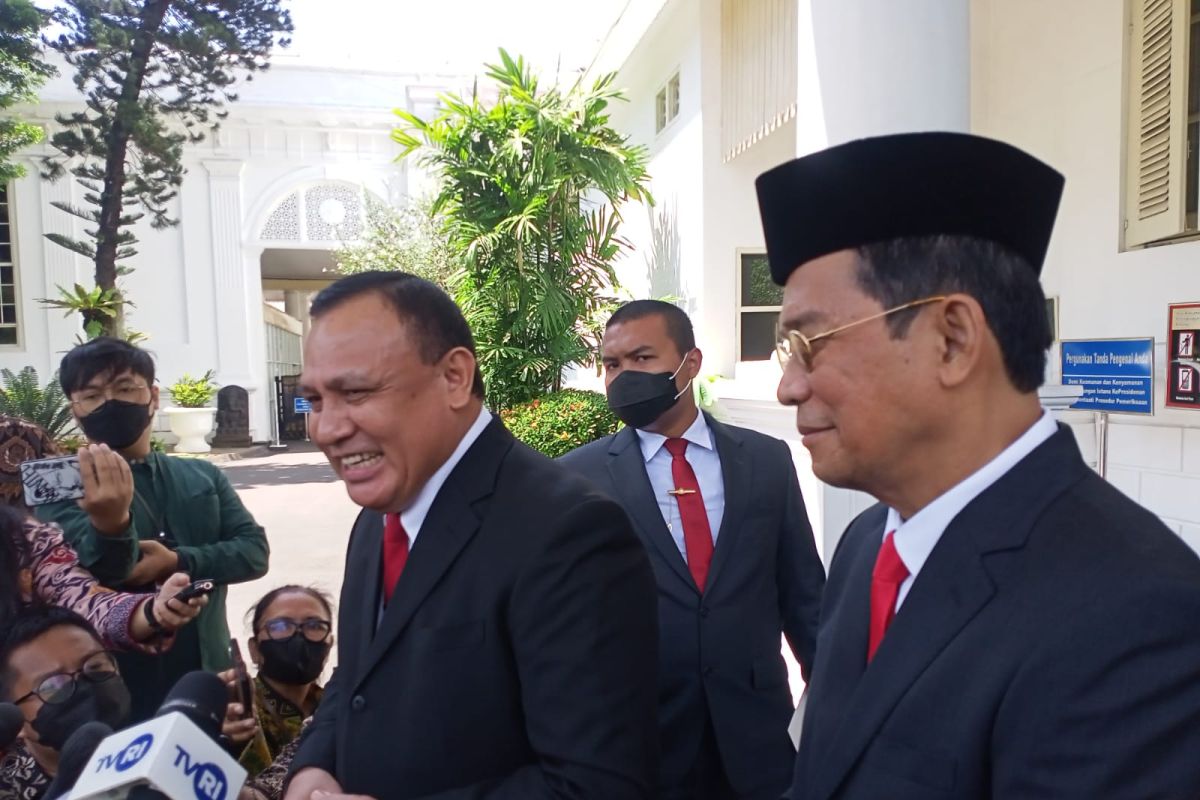
The Indonesian Corruption Eradication Commission (KPK) has summoned the directors of Barito Sarana Karya and Nusantara Tracer to testify as witnesses in a corruption case concerning the procedures for obtaining occupational safety and health certificates (K3) from the Ministry of Labor. This move is part of the commission's efforts to combat corruption that hinders the country's progress.
KPK spokesperson Budi Prasetyo announced that the investigations will take place at the police station in Sidoarjo, where several executives from the companies have been called, including RS and GA from Barito, and KTS from Nusantara.
Details of the Incident
The roots of the case trace back to an operation known as an OTT (Operation Tangkap Tangan) conducted by the KPK on August 22, 2025. During this operation, Emmanuel Ebenzer, the Deputy Minister of Labor, was arrested along with ten others on charges of corruption related to the management of K3 certificates. A long list of suspects has been identified, including prominent government officials from the ministry.
The list of accused includes figures such as Irviansyah Bubi Mahendro, Gheri Aditya Herwanto, and other officials who held sensitive positions in the ministry over the past years. These arrests reflect the extent of rampant corruption in certain government institutions.
Background & Context
Historically, Indonesia has witnessed numerous corruption cases affecting various ministries, negatively impacting the government's reputation and citizen trust. Corruption in the labor sector, especially concerning safety certificates, is a sensitive issue that affects the health and safety of workers.
The KPK was established in 2003 as part of government efforts to combat corruption and has investigated many high-profile cases. However, corruption remains a significant challenge for the Indonesian government, necessitating further efforts to combat it.
Impact & Consequences
This case serves as a wake-up call for the Indonesian government regarding the need to enhance transparency and accountability across all sectors. The investigations may lead to changes in policies and procedures related to the issuance of certificates, potentially improving the working environment in the country.
Additionally, this case could impact both foreign and domestic investments, as corruption is a key factor influencing investors' decisions. Improving the government's reputation in combating corruption can enhance investor confidence.
Regional Significance
Corruption cases in Indonesia serve as a model for Arab countries facing similar issues. Arab nations can learn from Indonesia's experiences in fighting corruption and enhancing transparency in their governmental institutions.
Given the economic challenges many Arab countries face, combating corruption is a crucial step toward achieving sustainable development.