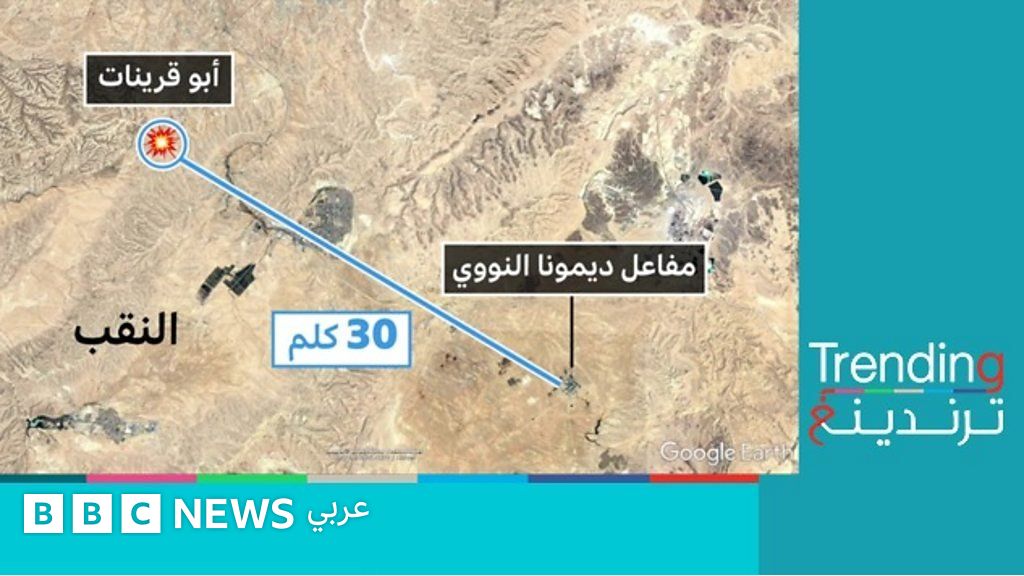
The Israeli military's General Staff has announced the initiation of a special investigation regarding the failure of its air defense systems to respond to missiles targeting the cities of Dimona and Arad, revealing serious vulnerabilities in Israel's defensive framework. This announcement is particularly significant given the tense security circumstances in the region, where Israel seeks to maintain its national security and enhance the effectiveness of its air defenses.
Israeli Military Operations Chief Eyal Zamir launched the investigation following recent missile attacks, which highlighted the inability to counter them. Zamir has led security meetings with operational leaders and the Air Force to assess the situation and decide on upcoming steps.
This incident raises numerous questions about the effectiveness of the security measures adopted by Israel, especially considering it possesses some of the world's preeminent air defense technologies, including the Iron Dome system designed for intercepting missiles. The failure of these systems to respond to attacks could have severe implications for security and stability in the region.
In this context, Dimona is a strategic center, housing a nuclear facility believed to represent a significant part of Israel's nuclear arsenal. Historical contexts confirm that Israel has worked for years to develop and enhance its defense systems, especially after repeated conflicts with neighboring countries.
This investigation calls for a reassessment of how the military deals with threats, reflecting growing internal pressures for transparency and accountability. According to sources, the armed forces are under pressure after previous attempts to improve confrontation levels with armed groups in Gaza and Lebanon.
It is worth noting that this incident is not the first of its kind, as Israel has experienced several similar attack attempts in recent years, effectively managed. However, the recent failure to counter the attack arguably reflects gaps in training or a lack of readiness in the systems.
Moreover, reactions to this event could impact Israeli border security and the assessment of security factors. Similar incidents may raise concerns about armed groups enhancing their missile capabilities, potentially leading to further tensions and escalations in the region.
If Israeli national security heavily relies on these systems, the need to revise defense strategies becomes essential, making this investigation even more significant. The recently launched missiles may reveal astounding new developments in the military capabilities of Israel's adversaries, which neighboring countries need to consider in their calculations.
It can be said that the potential outcomes of this investigation will map out the roadmap for Israel's security in the future. Israeli authorities should take this event seriously to avoid the recurrence of scenarios that could place the country in sensitive and complex situations.
These conditions underscore the importance of strengthening military fronts with neighboring Arab countries, as the significance of preparedness to confront complex threats requires renewed strategies. This incident also highlights the necessity of regional cooperation in the realms of security and defense, as similar events illustrate that crises do not recognize borders.