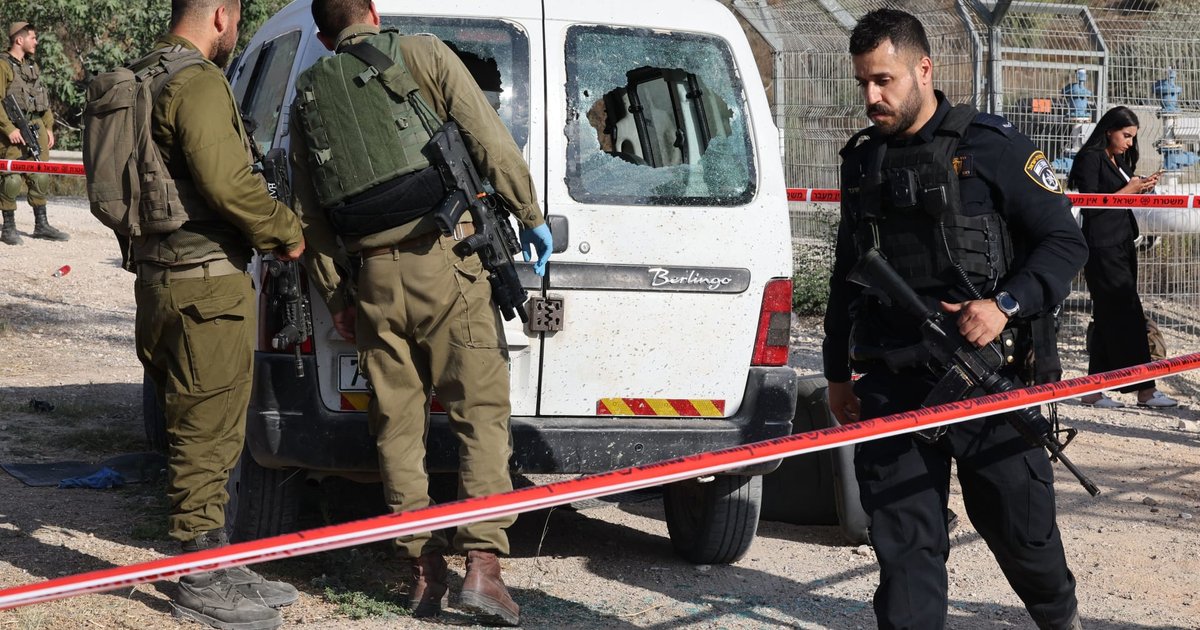
The Israeli forces stated that they have initiated an investigation into the killing of an Israeli civilian near the Lebanese border on Sunday. This follows Hezbollah's announcement of having targeted Israeli soldiers in the same area. The incident occurred when a group of Lebanese workers were conducting medical services in a vehicle that came under attack, resulting in the death of one of the passengers, with the incident described as a 'direct hit' that claimed the man's life, according to reports from Lebanese emergency teams.
The Israeli forces are currently trying to determine whether the incident was indeed caused by fire from Israeli army soldiers. Military sources indicated that 'the likelihood of the incident being the result of fire from Israeli defense forces is under investigation,' according to a statement from the army.
Historically, the border between Lebanon and Israel has been a major point of tension, having witnessed multiple military interventions and wars, the most recent being in 2006. It is well-known that Hezbollah has launched several attacks across the border against Israel during those years, leading to a climate of hostility between the two parties. This polarization heightens the anxiety among civilians in border areas, resulting in ongoing tensions and heightened security measures from both sides.
The Israeli investigation into the incident also reflects the prevailing security tension in the region, as any military escalation in this area poses a threat to regional security and could draw parties into larger conflicts. The tensions between Israel and Hezbollah are not just local disputes; they affect the geopolitical situation across the Middle East, especially amid growing conflicts in the region such as the Syrian conflict and internal strife in Lebanon.
This unfortunate incident could lead to a further escalation of tensions between Israel and Hezbollah, potentially prompting both sides to seek new justifications to strengthen their military operations. Additionally, any further escalation of Hezbollah's military activities could elicit a more severe response from Israel, leading to a cycle of retaliatory actions.
Despite the ongoing threats, it must be recognized that civilians are the real victims in these conflicts. Attacks targeting soldiers often result in loss of life among civilians, indicating that there are truly no winners in these disputes. In light of the tense situation, the Israeli investigation is a crucial step toward understanding the reasons for this incident and thereby pinpointing the causes of ongoing tensions at the border.
In conclusion, Arabs and the international community should view these conditions with wisdom. There should be a call for peace between the conflicting parties rather than stoking the flames of enmity, and steps must be taken to mitigate escalation through dialogue and diplomacy.
Current events indicate that the region has no choice but to seek mechanisms for reducing the intensity of military disputes and to push for security and stability for all involved parties.