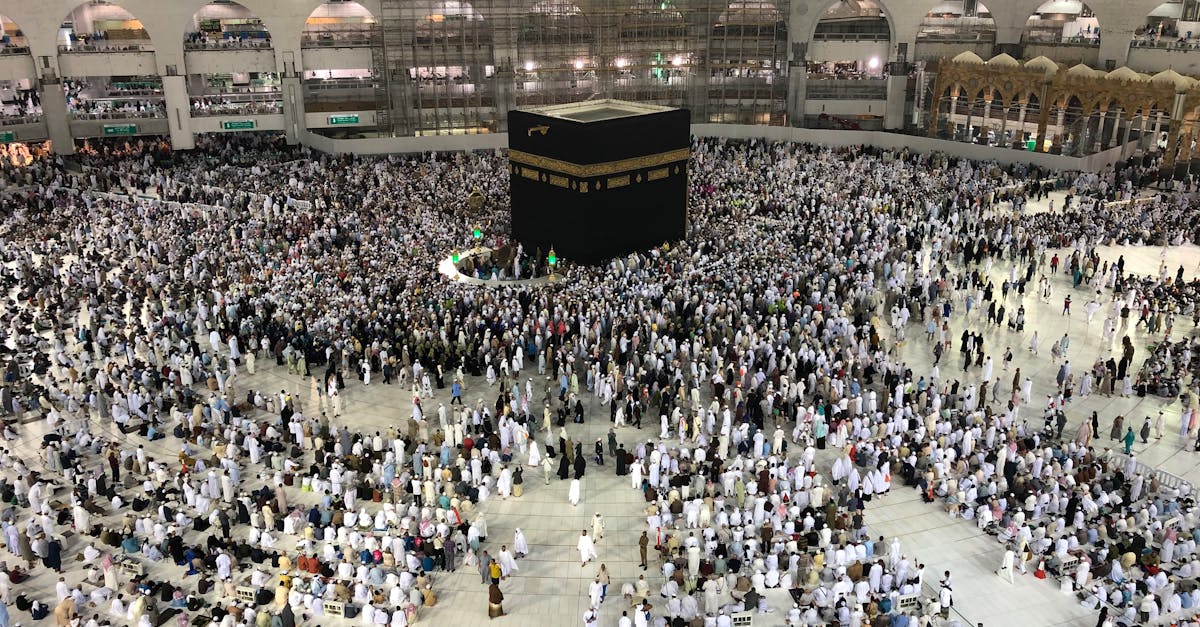
The Indonesian Corruption Eradication Commission (KPK) has announced the commencement of extensive investigations into corruption cases related to the Hajj lottery, with plans to question several organizers next week. This step is part of the commission's efforts to uncover the circumstances surrounding the corruption affecting the organization of Hajj, which has significantly impacted many pilgrims.
In a statement from KPK spokesperson Budi Prasetyo, it was confirmed that investigations will begin in the next week, where several witnesses, including accredited Hajj organizers, will be interrogated. He explained that the investigations will take place at the commission's headquarters in Jakarta, as well as at other locations depending on the organizers' sites.
Details of the Investigation
This action follows KPK's initiation of investigations on August 9, 2025, concerning corruption cases related to the Hajj lottery for the years 2023-2024. Yaqut Cholil Qoumas, the former Minister of Religious Affairs, and Ishfah Abdul Aziz have been named as suspects in this case. However, Fuad Hasan Mashur, the owner of one of the Hajj organizing offices, has not been charged, although he has been barred from leaving the country.
On February 27, 2026, KPK announced that it received a report from the Financial Examination Bank regarding the financial losses resulting from this case, estimated at around 622 billion rupiah. Yaqut Cholil was arrested on March 12, 2026, while Ishfah was arrested on March 17, 2026.
Background & Context
Corruption cases in Indonesia are a complex issue affecting various aspects of political and economic life. In recent years, the country has witnessed numerous scandals related to corruption, leading to a loss of trust in government institutions. This case arises at a sensitive time, as citizens seek to improve transparency and accountability in managing their affairs.
Historically, Indonesia has faced significant challenges in combating corruption, with KPK established in 2002 as an independent body to fight corruption. However, challenges remain, as many officials are accused of corruption, reflecting the urgent need for radical reforms in the system.
Impact & Consequences
These investigations are a crucial step towards enhancing transparency and accountability in Hajj management, an issue of concern for millions of Muslims in Indonesia. If corruption is proven, it could lead to significant changes in how Hajj is organized in the future, potentially affecting pilgrims' ability to perform their rituals fairly and transparently.
This case may also provoke strong reactions from civil society, which seeks to hold those responsible for corruption accountable. These investigations could increase pressure on the government to improve its policies and procedures regarding transparency and accountability.
Regional Significance
Corruption issues in Hajj organization are a sensitive topic that concerns all Islamic countries, as it affects pilgrims' trust in the authorities responsible for organizing their rituals. Any corruption scandal in this context could negatively impact the reputation of the involved countries and may have repercussions on relations between Islamic nations.
Ultimately, this case represents an opportunity for Indonesia to strengthen its efforts in combating corruption and improving its administrative system, which could have a positive impact on its reputation in the Islamic world.