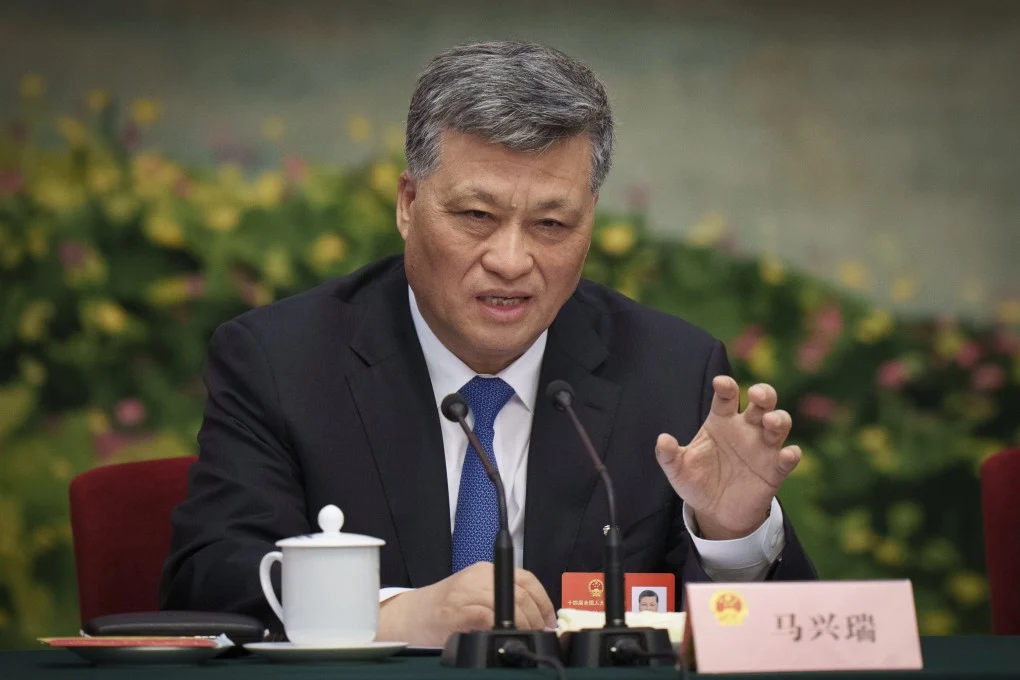
The Chinese news agency Xinhua reported on Friday that Ma Xingrui, a member of the Political Bureau of the Chinese Communist Party and former party secretary in Xinjiang, is under investigation by the anti-corruption agency. This development comes at a time when the ruling party is facing unprecedented investigations against its members, making Ma Xingrui the third Political Bureau member to be investigated since the start of the current party term in 2022.
These investigations are part of the government's escalating efforts to combat corruption, a phenomenon not seen for decades. In addition to Ma Xingrui, an investigation has also been opened against He Weidong, the vice chairman of the Central Military Commission, who was expelled from the party due to corruption allegations. These events indicate a significant shift in how the party is addressing corruption issues within its ranks.
Details of the Event
Ma Xingrui, who served as the party secretary in Xinjiang, is considered a prominent figure in the Communist Party, having played a crucial role in managing policies in the region. The investigations targeting him come at a sensitive time, as the Chinese government faces international criticism regarding its policies in Xinjiang, including allegations of human rights violations.
Highlighting corruption within the party could have significant implications for the image of the ruling party, especially amid increasing international pressures. These investigations may lead to a reassessment of the Chinese government's domestic and foreign policies.
Background & Context
Historically, China has witnessed anti-corruption campaigns, but the current campaign is regarded as the most comprehensive. Since Xi Jinping assumed the presidency, numerous measures have been implemented to combat corruption, resulting in the arrest of many high-ranking officials. However, the ongoing investigations suggest that corruption remains a persistent issue within the party.
Xinjiang is considered a strategic region for China, rich in natural resources and playing a vital role in the Belt and Road Initiative. Therefore, any changes in leadership or policies in this area could significantly impact China's economy and politics.
Impact & Consequences
The ramifications of these investigations extend beyond the internal issues of the party, as they may affect China's international relations. With increasing pressure from Western nations regarding human rights in Xinjiang, any acknowledgment of corruption within the party could be used by critics to highlight systemic weaknesses.
Furthermore, these investigations may lead to changes in China's economic and social policies, potentially impacting foreign investments and major economic projects.
Regional Significance
For Arab countries, developments in China are of particular importance. China is considered a strategic partner for many Arab nations, especially in trade and investment sectors. Any changes in leadership or Chinese policies could affect economic relations between China and Arab countries.
Moreover, issues related to human rights in Xinjiang may influence how Arab nations engage with China, especially amid increasing international pressures.
The ongoing investigations against Ma Xingrui and other members of the Chinese Communist Party reflect a significant shift in how the party manages corruption issues, which could have far-reaching implications for China's domestic and foreign policy.