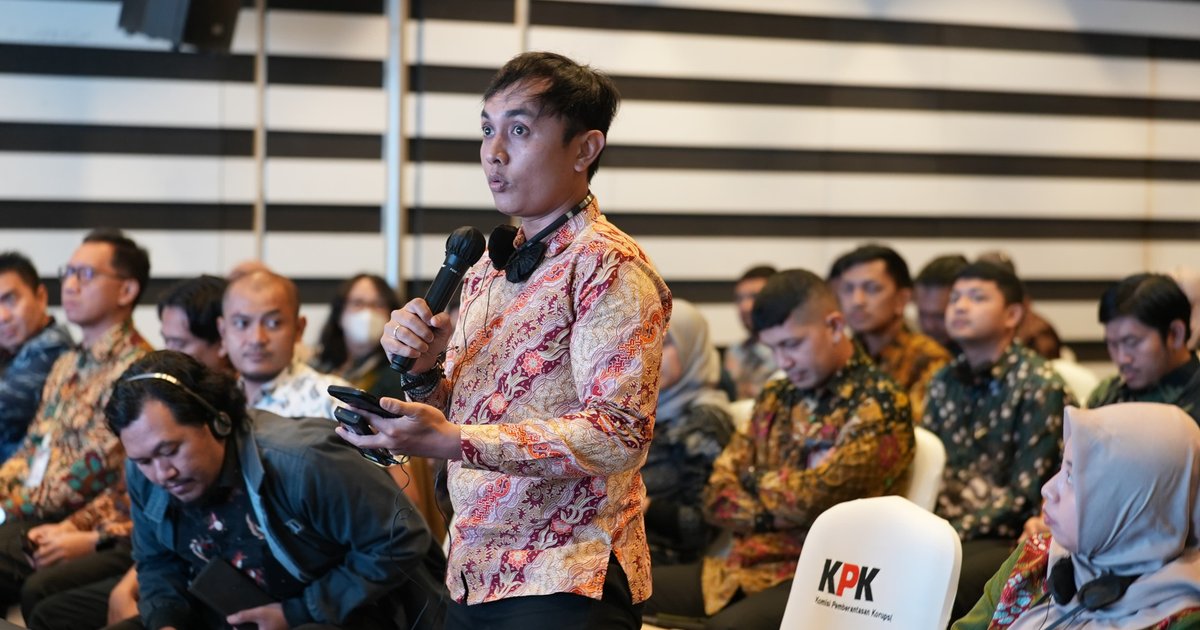
The Indonesian Corruption Eradication Commission (KPK) has unveiled new investigations related to a corruption scandal involving officials from the Ministry of Religious Affairs. Helman Latif, the Director General of Hajj and Umrah, is suspected of receiving 150 million rupiah from Ismail Adham, the director of Makator.
According to KPK Deputy Chairman Asib Guntur Rahayu, the amount received includes 5,000 US dollars and 16,000 Saudi riyals, reflecting the extent of corruption rampant in the management of Hajj and Umrah affairs.
Details of the Incident
These investigations are part of KPK's efforts to combat corruption, revealing that Ismail Adham, identified as one of the suspects in the Hajj quota corruption case, provided the mentioned amount during Helman Latif's tenure as Director General. It is believed that this amount served as illegal funding attributed to former Minister of Religious Affairs Yaqut Sholil Qoumas.
It is noteworthy that KPK began its investigations on August 9, 2025, with new details about the case announced on January 9, 2026, when Yaqut Sholil Qoumas was identified as one of the suspects. He was arrested on March 12, 2026, raising questions about the prevalence of corruption in government institutions.
Background & Context
Historically, Indonesia has witnessed numerous corruption cases affecting various government institutions, leading to a loss of trust in the administrative system. The Ministry of Religious Affairs is among the ministries most susceptible to corruption, particularly regarding the management of Hajj and Umrah, where it handles significant funds related to pilgrims.
Concerns are growing that this case could impact Indonesia's reputation as a pilgrimage destination, especially amid the economic and social challenges facing the country. Reports have indicated that corruption in Hajj management could lead to a loss of trust among pilgrims and citizens.
Impact & Consequences
This case serves as a wake-up call for the Indonesian government, necessitating strict measures to combat corruption and enhance transparency in managing Hajj affairs. These investigations are expected to lead to changes in policies and procedures followed by the ministry.
Moreover, this case may affect relations between Indonesia and other Islamic countries, as corruption in Hajj management is viewed negatively by the international community. Therefore, effectively addressing this issue may be essential for restoring trust.
Regional Significance
Corruption issues in Hajj and Umrah management are particularly significant for Arab countries, as many Arab citizens travel to Indonesia for pilgrimage. Corruption in this sector could impact the experience of Arab pilgrims, highlighting the need for enhanced cooperation between Arab countries and Indonesia to ensure the safety and transparency of Hajj management.
In conclusion, this case underscores the urgent need to combat corruption and enhance transparency in government institutions, requiring collective efforts from all stakeholders involved.