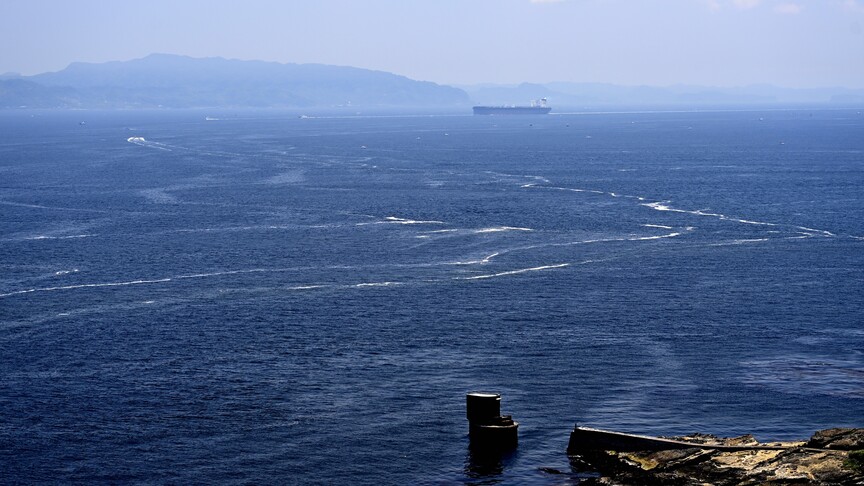
In a significant development, investigators reported that the debris recovered from the HMM Namu ship suggests the use of anti-ship missiles developed in Iran. The incident occurred in the Strait of Hormuz, one of the world's most crucial waterways, through which approximately 20% of global oil trade passes.
These reports come at a sensitive time, as the region is experiencing increasing tensions between Iran, the United States, and its allies. Tehran has denied any involvement in the attack, which adds complexity to the existing situation in the area.
Details of the Incident
The incident took place in the Strait of Hormuz, where the HMM Namu ship sustained significant damage. The debris found clearly indicates the use of Iranian-made missiles, reflecting Tehran's capability to conduct military operations in international waters. Investigations are ongoing to accurately determine the circumstances surrounding the incident.
This incident is part of a series of escalating events in the region, with the Strait of Hormuz serving as a strategic point for many countries. The incident has raised international concerns regarding the safety of navigation in this vital area.
Background & Context
The Strait of Hormuz is a narrow waterway separating Iran from Oman, and it is considered a major gateway for oil exports from Gulf countries to global markets. Historically, this strait has witnessed numerous military conflicts, with Iran using it as a means to exert pressure on Western nations.
In recent years, tensions between Iran and the United States have escalated, particularly following Washington's withdrawal from the nuclear agreement in 2018. These tensions have led to an increase in military activities in the region, making the Strait of Hormuz a focal point for various maritime incidents.
Impact & Consequences
The repercussions of this incident could be severe, potentially leading to heightened tensions between Iran and Western countries. If the information regarding the use of Iranian missiles is confirmed, it could open the door to military responses from the United States and its allies.
Furthermore, this incident may impact global oil prices, as it could lead to an increase in prices due to concerns over instability in navigation within the region. Additionally, this incident could affect maritime trade routes, further escalating economic tensions in the area.
Regional Significance
For Arab countries, this incident poses a direct threat to security and stability in the region. The Gulf Arab states are among the largest oil producers in the world, and any escalation in the Strait of Hormuz could negatively impact the economies of these nations.
This incident may also evoke memories of past conflicts in the region, underscoring the need for enhanced security cooperation among Arab countries to address shared challenges.
In conclusion, this incident represents a turning point in international relations within the region, and the international community must take urgent steps to ensure the safety of navigation in the Strait of Hormuz.