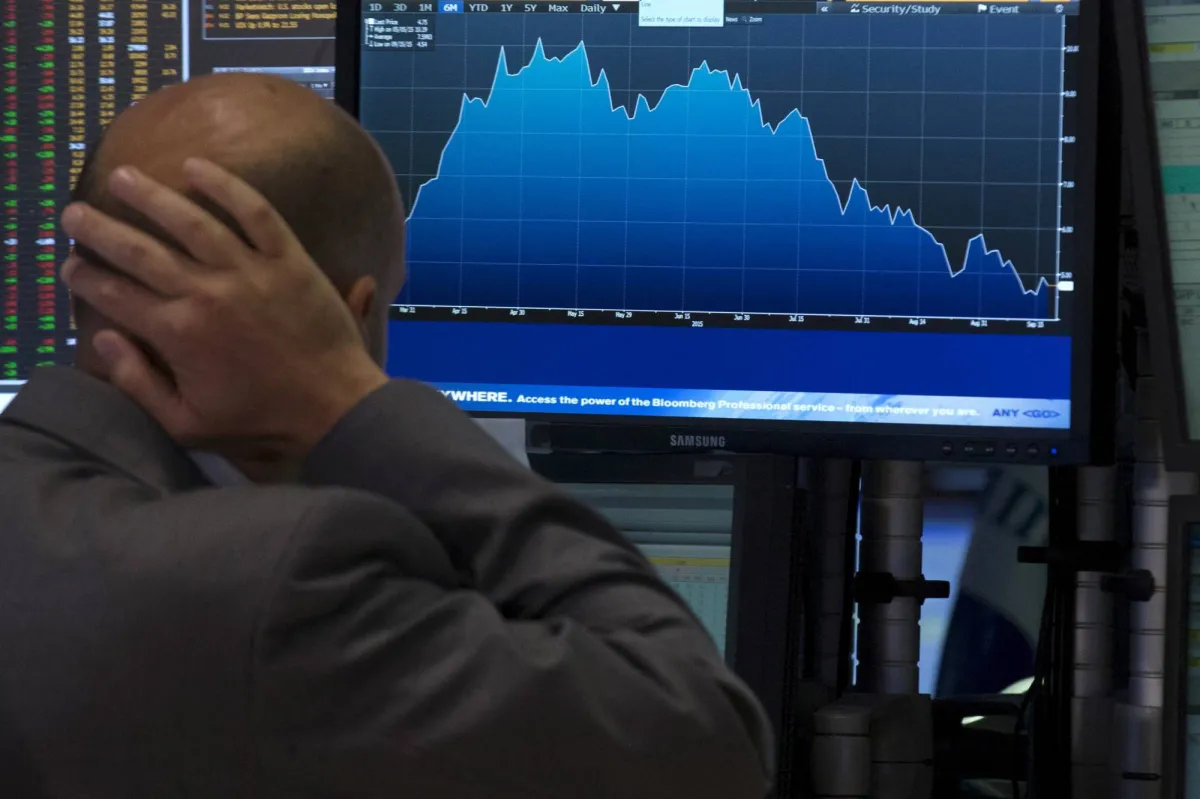
Investors are facing new challenges following the escalation of conflict in the Middle East, as hope for a quick resolution dissipates. In a precautionary move, they are rapidly working to protect their investment portfolios from the likelihood of prolonged conflict and a potentially severe oil shock, compelling them to diversify their investments and focus on liquidity and energy stocks.
This trend reflects a market direction that seeks to buy 'insurance' against long-lasting or even permanent changes in energy markets and trade. Reports indicate that markets have abandoned previous attempts to navigate temporary disruptions, as the U.S. S&P 500 index recorded a decline of 1.5 percent on Friday, led by losses in technology companies.
Event Details and Market Reactions
Futures contracts for the S&P 500 dropped by 0.6 percent in Asian markets, while Japan's Nikkei index fell by 3.5 percent. Concerns about disruptions in Iranian markets have added to investor anxiety, leading to a decline in Chinese market capacities that experienced the largest drop since the imposition of U.S. tariffs.
In this context, Aaron Costello from Cambridge Associates noted that the markets had recently shown resilience, but with the intensification of the crisis, expectations are shifting towards continued risk assessments. He explained that companies and countries hold substantial reserves, but these reserves will dwindle over time if the conflict persists.
Context and Background
Increasing tensions in the Middle East, particularly in the Strait of Hormuz, have shown significant repercussions on global markets. The head of Qatar Energy indicated that nearly one-fifth of liquefied natural gas export capacity has faced disruption due to Iranian attacks, signaling long-term challenges for contracts and trade.
Simultaneously, prices for commodities such as oil and gas have seen a marked increase, prompting airlines and other sectors to take proactive measures against rising costs. With the oil markets affected particularly hard, gasoline and airfare prices have surged in Middle Eastern and Asian markets.
Consequences and Impacts
Amid these changes, liquidity has increased in the markets, and major company stocks faced rising pressure as confidence waned. According to data, a net sell-off of stocks exceeding $44 billion was recorded in the Asia region, marking the largest monthly outflow since 2008.
Investors are also reminded of the inflationary risks impacting markets, as gold prices recorded a decline despite remaining a traditional safe haven, while mining company stocks dropped due to rising transportation costs. Nonetheless, long-term investment remains relatively robust, as investors maintain their optimism for future returns.
Impact on the Arab Region
The economic fallout exceeds market crises, as uncertainty comes at a sensitive time for Arab economies that heavily rely on oil revenues. There is increased pressure on governments to consider strategic options to ensure economic stability in the face of geopolitical disturbances.
In conclusion, these events underscore the necessity for proactive measures by countries to absorb the repercussions of any potential oil shocks, and investors must renew their strategies and evaluate available opportunities given the current landscape.