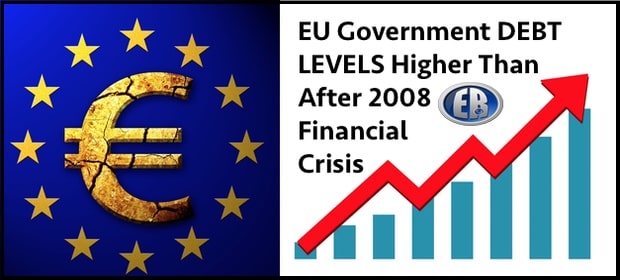
In a move reflecting confidence in the European market, a group of prominent investors, such as JPMorgan Asset Management, BlackRock Inc., and MFS Investment Management, have announced new investments in short-term European government debt. These actions come after a sharp decline in the prices of these debts, prompting investors to take swift action to secure their returns before they drop further.
This trend is part of a larger strategy aimed at capitalizing on the high yields provided by European government bonds, especially given the current economic conditions on the continent. With rising inflationary pressures, investors are seeking stable returns on their investments, making government debt an attractive option.
Details of the Event
Short-term government debt is considered a financial instrument that offers good returns during times of instability. Recently, European markets have experienced a sharp decline in bond prices, leading many investors to reassess their investment strategies. Data has shown that yields on European government bonds have risen significantly, making them appealing to investors.
These investments come at a sensitive time, as investors seek to protect their funds from potential market fluctuations. Analysts have noted that this move may also reflect investor expectations regarding future trends in the European economy.
Background & Context
Historically, European markets have experienced significant volatility due to economic and political crises. However, government debt remains one of the safest instruments during times of crisis. In recent years, there has been an increase in demand for government bonds, particularly from institutional investors seeking stable returns.
Several factors have influenced European markets in recent years, including the monetary policies of the European Central Bank and geopolitical tensions. Nonetheless, current investments indicate that investors still trust in the European economy's ability to recover.
Impact & Consequences
These investments could enhance stability in European financial markets. An increase in demand for government bonds may help reduce borrowing costs for governments, thereby enhancing their ability to implement necessary fiscal policies to support the economy.
Moreover, these moves may increase confidence in European markets, potentially attracting more foreign investments. However, investors must remain cautious, as any unexpected changes in monetary or economic policies could affect these investments.
Regional Significance
European markets are among the key markets that influence the Arab economy. Any changes in interest rates or yields on government bonds could impact investment flows into the region. Additionally, stability in European markets can bolster confidence in Arab markets, potentially leading to increased foreign investments.
Ultimately, these investments remain an indicator of confidence in the European economy and may have positive implications for global markets, including Arab markets.