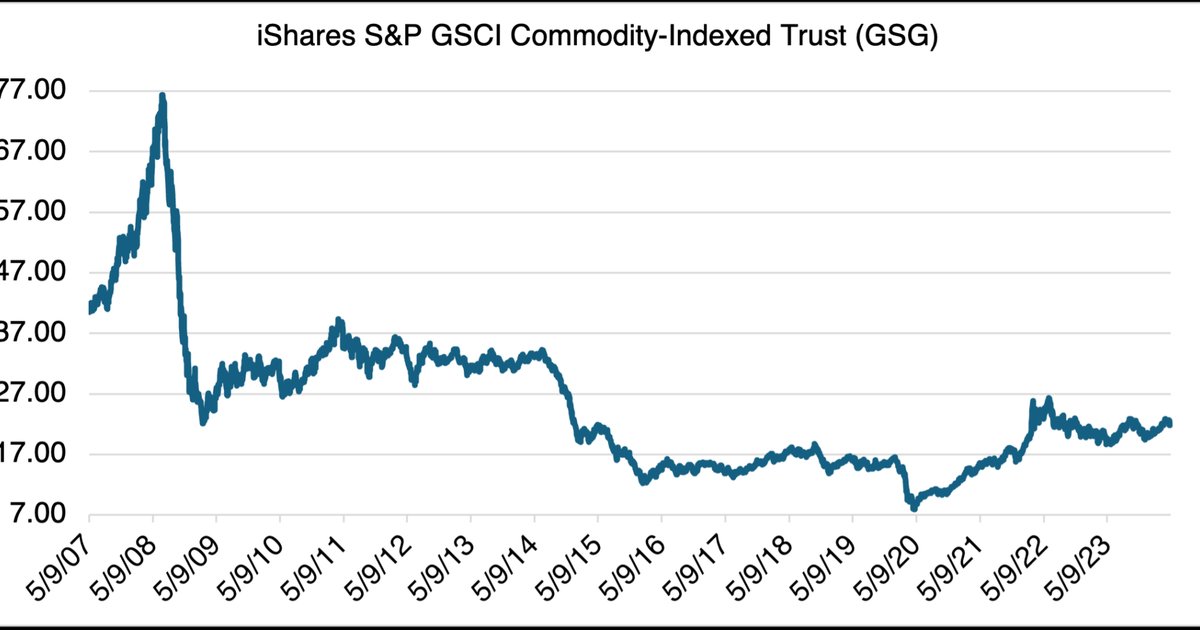
In the wake of significant fluctuations in financial markets recently, investor interest in commodities as an alternative investment is rising. Evy Hambro, the global head of investment at BlackRock, indicated that gold is no longer the safe haven it was once believed to be for protection against market shocks. In a discussion with Mary Somerset Webb, several factors influencing this trend were addressed, including inflation, interest rates, and energy security.
These remarks come at a time when the market is experiencing sharp volatility, with gold and silver prices unexpectedly declining, raising questions about the effectiveness of these precious metals as a means of protection against economic risks. Hambro pointed out that investors need to reassess their exposure to gold, energy, and commodity-related stocks.
Details of the Event
Hambro spoke about what is known as the "new energy risk premium," which reflects the increasing challenges in securing energy sources amid climate change and geopolitical disruptions. He also noted that the rising demand for raw materials, driven by developments in artificial intelligence, may contribute to commodities entering a new growth cycle.
Inflationary pressures are mounting in many major economies, prompting central banks to raise interest rates. This directly impacts commodity prices, as higher interest rates are considered a significant factor affecting borrowing costs and investment in commodities.
Background & Context
Historically, commodities have been viewed as a safe haven during economic crises. However, changes in global economic dynamics, including rising energy prices and climate change, have led to a reevaluation of this concept. In recent years, there has been an increase in demand for metals such as lithium and copper, which are essential for clean energy technology.
Additionally, geopolitical tensions, such as conflicts in the Middle East and Eastern Europe, have contributed to increased uncertainty in the markets, prompting investors to seek safer investment options.
Impact & Consequences
These developments indicate that investors may need to radically adjust their investment strategies. With rising inflationary pressures, investing in commodities may become more attractive, potentially leading to price increases in the future. These dynamics are likely to result in increased volatility in financial markets, as investors seek to balance risks and returns.
This shift in interest towards commodities is indicative of broader changes in the global economy, where sustainability and energy security are becoming increasingly important. Such changes may reshape financial markets, necessitating that investors consider how to allocate their assets more effectively.
Regional Significance
For the Arab region, these shifts may present new opportunities and challenges. Oil-producing countries may benefit from rising energy prices, but they also face pressures from the transition to clean energy. Additionally, countries that rely on importing commodities may be adversely affected by rising prices, potentially leading to increased inflation.
Ultimately, the current situation requires investors in the Arab region to reassess their investment strategies, taking into account the global changes in demand for commodities.