Global markets are focused on the recent developments in US-Iran relations, as President Donald Trump has given Iran a deadline to reach an agreement that ensures the opening of the Strait of Hormuz. Trump has warned that Iran will face severe consequences if an agreement is not reached or if the strait remains closed.
An informed source revealed that both the US and Iran have received a plan to end hostilities, which may come into effect soon. According to the source, this plan includes an immediate ceasefire and the reopening of the Strait of Hormuz, with a deadline for a final agreement ranging from 15 to 20 days.
Details of the Event
Despite repeated discussions about a potential ceasefire lasting 45 days, economists believe that the geopolitical landscape remains conflicted. Reports indicate that Tehran believes the US is not prepared for a permanent ceasefire, which heightens tensions between the two sides.
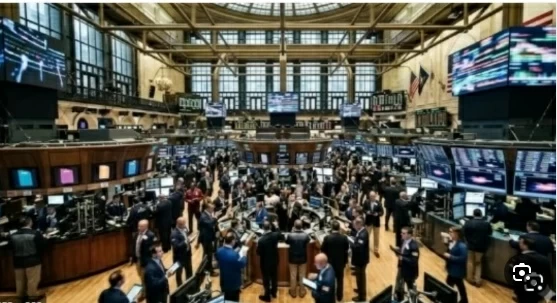
This tension is clearly reflected in global markets, where investors are experiencing anxiety due to the current uncertainty. Experts point out that this ambiguity hampers companies and investors' ability to make long-term strategic decisions.
Background & Context
Historically, the Strait of Hormuz is a vital artery for global trade, through which approximately 20% of total global oil exports pass. Any escalation in tensions in this area could lead to a significant rise in oil prices, impacting the global economy as a whole.
In recent years, US-Iran relations have deteriorated markedly, especially following the US withdrawal from the nuclear deal in 2018. This withdrawal led to the imposition of stringent economic sanctions on Iran, further escalating tensions between the two parties.
Impact & Consequences
Experts confirm that the lack of clarity in the geopolitical landscape is causing investors to hesitate, increasing pressure on the markets. They indicate that the current situation could lead to two contrasting scenarios: either the reopening of the Strait of Hormuz and a move towards lasting calm, or the possibility of military escalation at any moment.
Political solutions to the current crisis would have positive effects on financial markets, as they would help alleviate the anxiety dominating investors. The full return of oil exports would assist in stabilizing prices and easing pressures on the markets.
Regional Significance
The Middle East is one of the regions most affected by tensions between the US and Iran. Any escalation in these relations could directly impact the stability of neighboring Arab countries, increasing uncertainty in the markets.
In conclusion, optimism remains tied to the success of negotiations between the two sides, as reliance on unverified news could reintroduce volatility to the markets should any political course change occur.