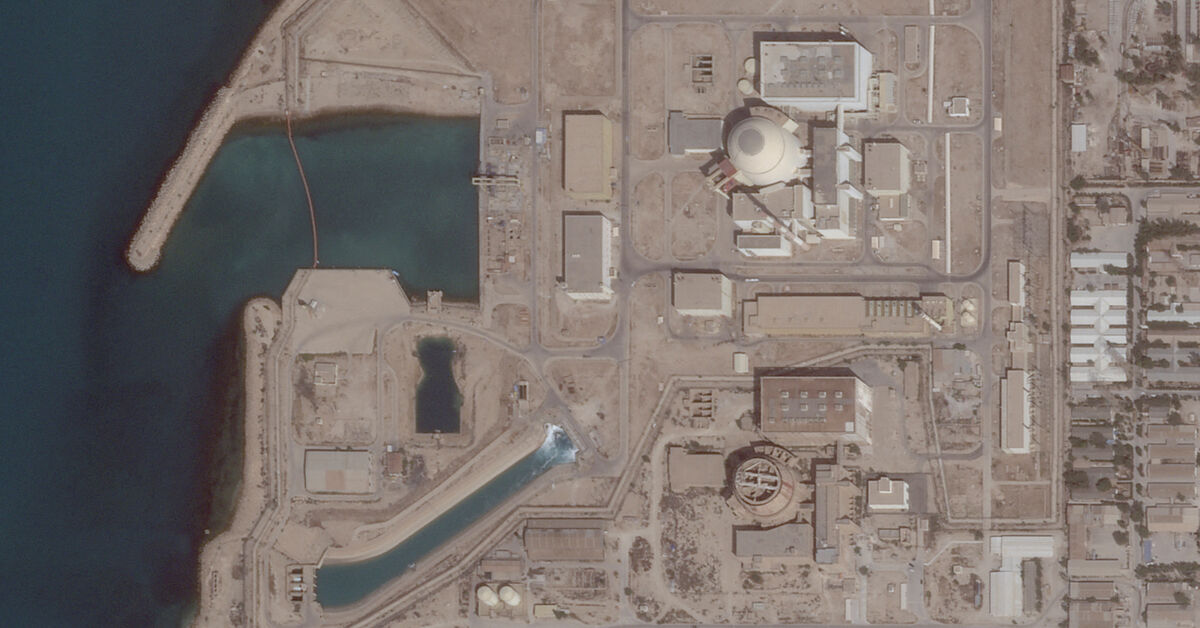
Iran's nuclear chief, Mohammad Eslami, has accused the International Atomic Energy Agency (IAEA) of failing to take effective measures to protect nuclear facilities in Iran. This accusation was made in a letter addressed to the agency's director, highlighting that this inaction encourages aggression towards facilities like the Bushehr nuclear power plant.
Eslami pointed out that the Bushehr plant, which is the only operational nuclear facility in Iran, has been subjected to four attacks so far, with the most recent occurring on April 4, resulting in the death of a security personnel and injuries to others. These incidents raise concerns about the safety of Iran's nuclear installations, especially amid rising tensions in the region.
Details of the Incident
The Bushehr nuclear power plant is a symbol of Iran's nuclear ambitions and was launched with Russian assistance. However, the repeated attacks on this facility raise questions about nuclear security in Iran. The recent attack on April 4, which led to the death of a security guard, reflects the escalating tensions in the region.
Iran accuses external entities of inciting these assaults, complicating the security situation further. The IAEA's failure to act may also reflect the international community's inability to address potential threats to nuclear security.
Background & Context
Historically, Iran has faced significant international pressure due to its nuclear program, with Western nations accusing it of seeking to develop nuclear weapons. In contrast, Iran insists that its nuclear program is peaceful and aimed at meeting its energy needs. These tensions have led to economic sanctions on Iran, severely impacting its economy.
The IAEA plays a crucial role in monitoring Iran's nuclear activities, but criticism is growing regarding its effectiveness in addressing threats. Recent reports suggest that Iran may be capable of enriching uranium at higher levels, increasing international concern.
Impact & Consequences
The IAEA's inaction could exacerbate the situation in the region. If attacks on Iranian nuclear facilities continue, Iran may take retaliatory actions, increasing the likelihood of escalating conflict. These dynamics could affect the stability of the entire region.
Moreover, these events may impact negotiations regarding the nuclear deal, as major powers seek to reach an agreement ensuring Iran does not develop nuclear weapons. Any escalation in tensions could lead to the collapse of these talks, heightening security risks.
Regional Significance
Events in Iran have significant implications for neighboring Arab countries, many of which are concerned about Iran's nuclear program. These tensions could lead to an arms race in the region, as other countries may seek to develop their own nuclear programs in response to potential threats.
Furthermore, any escalation in conflict could affect regional security, threatening the stability of Arab nations. It is crucial for Arab countries to collaborate with the international community to ensure the safety of nuclear facilities in the region.