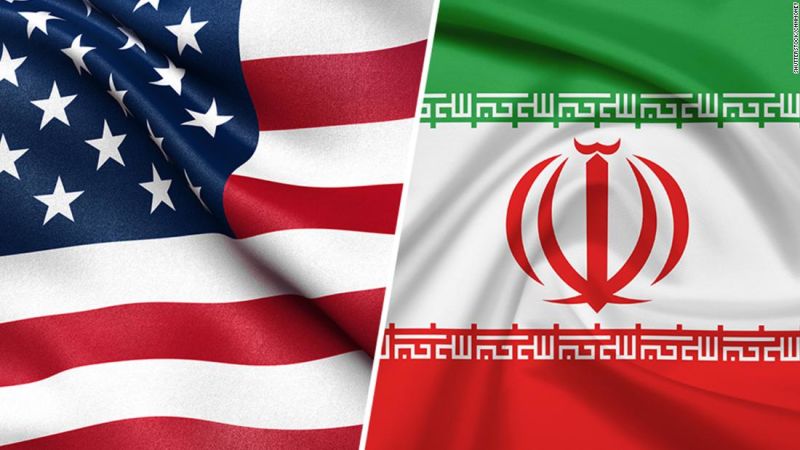
Iran's Parliament Speaker, Mohammad Baqer Qalibaf, has asserted that the United States is publicly talking about negotiations, yet is secretly planning a ground attack on Iran. These remarks reflect the escalating tensions between Tehran and Washington, especially in light of the political and security crises affecting the region.
Qalibaf pointed out that this American strategy aims to destabilize Iran, warning that his country will not stand idly by in the face of any threat. These statements come at a sensitive time, as Iran seeks to strengthen its position in nuclear negotiations with major powers.
Details of the Situation
Qalibaf's statements emerge as Iranian-American relations are increasingly strained, particularly following the US withdrawal from the nuclear agreement in 2018. The Iranian official noted that his country is closely monitoring the movements of American forces in the region, emphasizing that any hostile action will be met with a strong response.
He also added that Iran has the capability to defend itself and will not hesitate to use all available means to protect its sovereignty. These remarks come amid growing fears of a potential military escalation in the region, especially with American forces present in neighboring countries such as Iraq and Syria.
Background & Context
Historically, Iranian-American relations have witnessed numerous crises, starting from the Islamic Revolution in 1979 to the economic sanctions imposed by Washington on Tehran. These sanctions have led to a deterioration of the economic situation in Iran, increasing internal pressures on the government.
In recent years, Iran has attempted to bolster its relations with other countries such as China and Russia, in an effort to mitigate the impact of American sanctions. However, tensions remain, particularly concerning Iran's nuclear program and its support for armed groups in the region.
Impact & Consequences
Qalibaf's statements suggest that Iran may be prepared to escalate the situation if the United States continues its aggressive policies. Such escalation could have serious repercussions for regional security, directly affecting neighboring countries.
Additionally, any potential American attack could provoke strong reactions from Iran, potentially dragging the region into a broader conflict. In this context, the international community must be cautious of any escalation that could exacerbate the situation in the Middle East.
Regional Significance
The Iranian-American relationship is pivotal in shaping security dynamics in the Arab region. Any military escalation between the two countries could directly impact neighboring states such as Iraq, Syria, and Lebanon.
Moreover, Arab countries, which are already grappling with internal crises, may find themselves in a difficult position should tensions escalate. It is crucial for Arab nations to promote dialogue and avoid any escalation that could worsen the situation in the region.
In conclusion, Qalibaf's statements serve as a clear warning to the United States and underscore the importance of negotiation and dialogue to prevent any military escalation that could plunge the region into new crises.