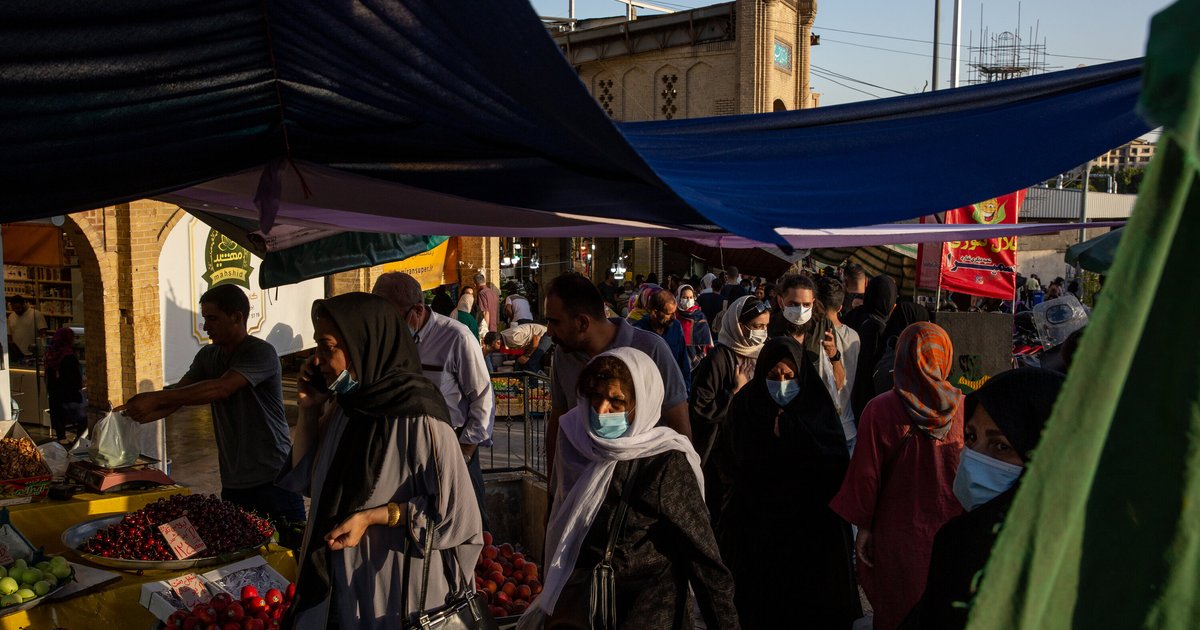
The Islamic Republic of Iran has announced the activation of the 'Resistance Economy' model, an economic framework developed over the years aimed at enhancing the country's resilience against escalating economic challenges. This announcement comes at a time when Iran is grappling with a severe economic crisis, with mounting pressures from international sanctions and internal crises affecting citizens' lives.
Through this model, Iran aims to achieve self-sufficiency and reduce reliance on imports, especially in light of the local currency's depreciation and rising inflation rates. The Iranian government has confirmed that this model includes multiple strategies, such as boosting local production and supporting national industries.
Event Details
In recent years, Iran has faced significant economic challenges due to sanctions imposed by the United States and other Western countries. These sanctions have led to a substantial decline in oil exports, which is considered the main source of government revenue. In this context, the 'Resistance Economy' model was developed in response to these pressures, aiming to enhance the country's economic capacity by improving local production and increasing reliance on domestic resources.
The 'Resistance Economy' strategies include encouraging agriculture and manufacturing industries, as well as promoting local innovation and technology. The government also seeks to improve the business environment to attract both local and foreign investments, despite the significant challenges it faces.
Background & Context
Historically, Iran has faced numerous economic crises, but recent sanctions have had unprecedented effects. Since the United States withdrew from the nuclear agreement in 2018, the country has witnessed a marked economic decline, with the local currency losing significant value, leading to soaring prices of essential goods.
In this context, the 'Resistance Economy' is seen as an attempt to overcome these crises by enhancing economic independence. Iranian officials have indicated that this model is not merely a reaction to sanctions but a strategic vision aimed at building a more resilient and robust economy.
Impact & Consequences
The activation of the 'Resistance Economy' model could have significant implications for the Iranian economy. On one hand, it may help reduce reliance on imports and bolster local production, potentially contributing to long-term economic improvement. On the other hand, the government may face substantial challenges in implementing these strategies, especially amid ongoing sanctions and external pressures.
This model may also encounter internal criticism, as some believe it may not be sufficient to address the acute economic crises the country is experiencing. Therefore, the success of the 'Resistance Economy' depends on the government's ability to balance enhancing local production with meeting citizens' needs.
Regional Significance
The activation of Iran's 'Resistance Economy' could affect economic and political relations in the Arab region. If Iran succeeds in achieving self-sufficiency and enhancing its economic capacity, it may increase its regional influence, which could raise concerns among some Arab countries.
Conversely, some Arab nations may see opportunities for cooperation with Iran in certain areas, especially given the shared economic challenges facing the region. Thus, monitoring developments in the 'Resistance Economy' will be crucial for understanding how it impacts regional dynamics.
In conclusion, it appears that Iran is facing significant economic challenges, but activating the 'Resistance Economy' represents a strategic step towards achieving economic independence. It remains to be seen how this strategy will affect the country's internal and external situation.