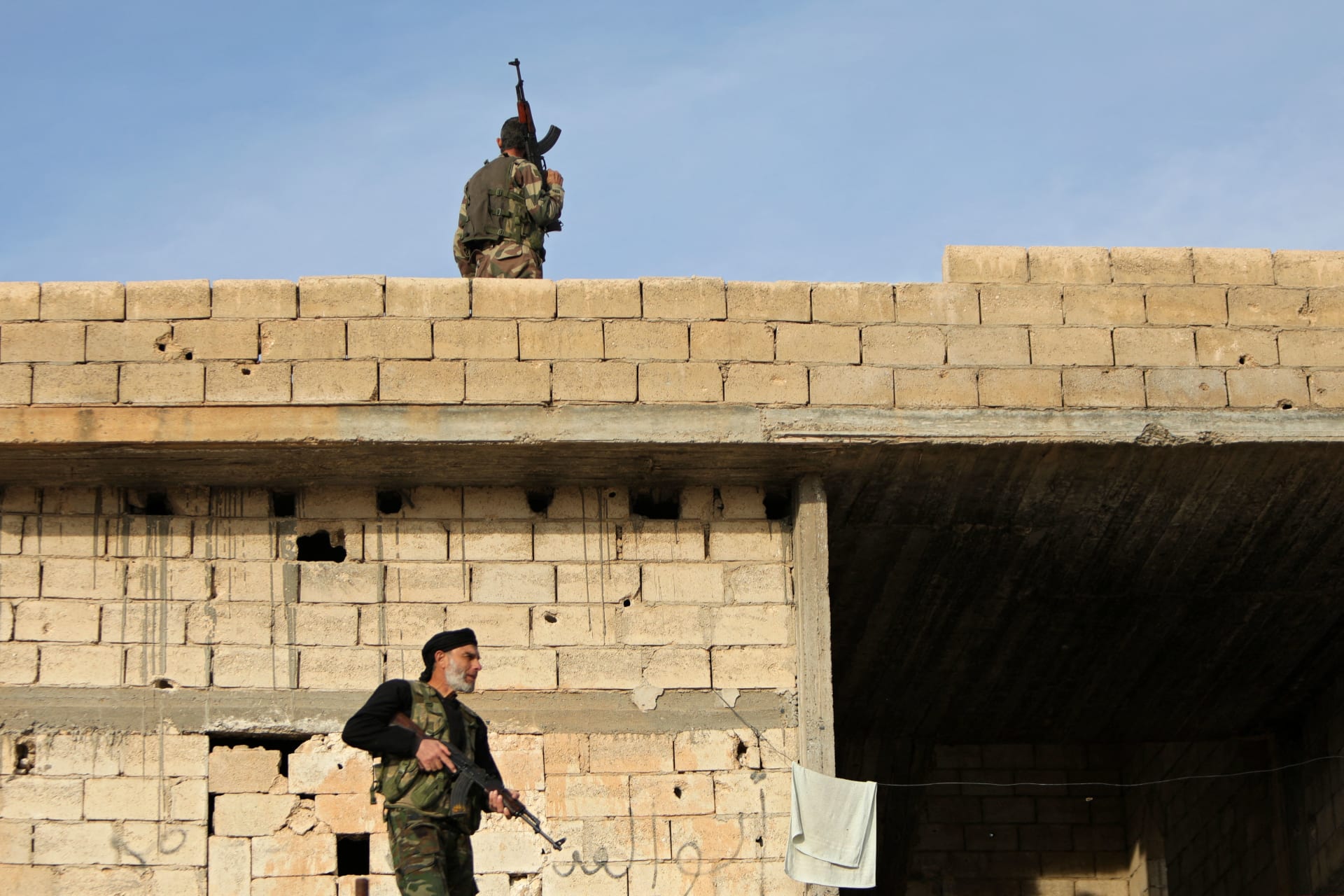
In a significant development, the President of the Kurdistan Region of Iraq, Nechirvan Barzani, announced that Iran has admitted that the two missile attacks targeting Peshmerga forces, which resulted in several fatalities, occurred 'by mistake'. This acknowledgment follows escalating tensions between Iran and the Kurdistan Region, as the attacks sparked widespread reactions from political and social forces within the region.
The attacks, which took place earlier, targeted specific sites belonging to the Peshmerga forces, resulting in the deaths of several military personnel. This incident raised considerable concern among political and media circles, with many parties deeming it an unjustified escalation by Iran against the Peshmerga forces.
Details of the Incident
According to official statements, the missile attacks targeted specific locations of the Peshmerga forces in the border areas between Iraq and Iran. Local sources confirmed that the attacks resulted in the deaths of three Peshmerga members and injuries to others. The Kurdistan Regional Government expressed its condemnation of these attacks, demanding a comprehensive investigation into the incident.
In contrast, Iran's acknowledgment of the attack's mistake came after international and local pressures, with urgent calls from the international community to halt military escalation in the region. Barzani indicated that this acknowledgment could help calm the situation, but he simultaneously expressed concern about the possibility of such incidents recurring in the future.
Background & Context
Historically, relations between Iran and the Kurdistan Region of Iraq have been marked by intermittent tensions, as political and military interests intertwine between the two sides. The autonomous Kurdistan Region seeks to maintain its independence in political and military decision-making, which sometimes raises concerns in Tehran.
In recent years, Iranian military activities in the border areas have increased, targeting opposition groups. This has led to heightened tensions between Iran and the Kurdistan Region, complicating the situation amid the political and economic crises facing the area.
Impact & Consequences
This Iranian acknowledgment may have multiple implications for relations between Iran and the Kurdistan Region. On one hand, it could help alleviate current tensions, but on the other hand, it raises questions about how to ensure that such incidents do not recur in the future.
Moreover, this incident could affect relations between Iraq and Iran, as political forces in Iraq might leverage this acknowledgment to strengthen their stance against Iranian interventions in internal affairs. Simultaneously, it may increase pressure on the Iraqi government to ensure the protection of Peshmerga forces from any future aggressions.
Regional Significance
In a broader context, this incident reflects the increasing tensions in the Middle East, where regional and international interests intersect. Iran's acknowledgment of the attack's mistake may contribute to enhancing dialogue among the concerned parties, but it simultaneously highlights the significant challenges facing the region in achieving stability.
In conclusion, the question remains about how to address these tensions and whether concrete steps will be taken to ensure that such incidents do not happen again in the future. The situation in the Kurdistan Region of Iraq represents a part of a larger picture regarding security and stability in the region.