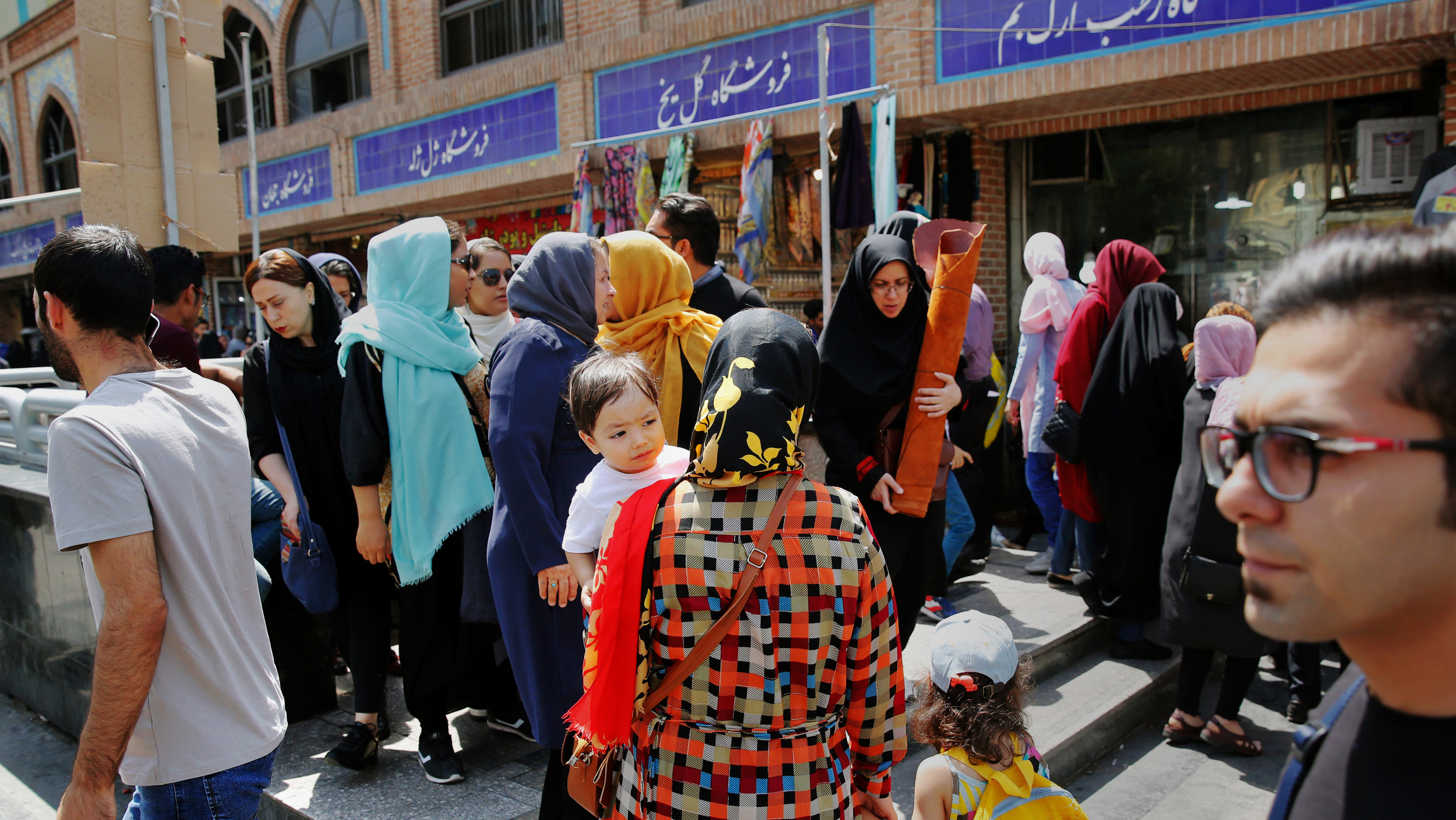
Iran has announced its new strategy known as 'Siege of the Siege', aimed at countering the economic and political pressures imposed on it. This initiative comes amid escalating regional and international tensions, as Tehran seeks to enhance its resilience against Western sanctions.
The 'Siege of the Siege' strategy is based on strengthening cooperation with friendly nations and expanding its network of economic relations. It also aims to reduce reliance on the traditional economy, which has been significantly impacted by sanctions. Through this strategy, Iran seeks to develop its local industries and boost national production.
Details of the Strategy
The new strategy includes several key pillars, such as enhancing trade relations with countries like China and Russia. It also focuses on developing infrastructure and energy projects, reflecting Iran's desire to achieve self-sufficiency. This announcement comes at a critical time, as the country faces significant economic challenges.
Additionally, Iran aims to improve the investment environment by offering incentives to both local and foreign investors. This shift is seen as part of the Iranian government's efforts to overcome the economic crises that have plagued the country for years.
Background & Context
Historically, Iran has suffered from severe economic sanctions since 1979, which have greatly affected its economy. With rising tensions with the United States, these sanctions have intensified, prompting the Iranian government to seek new strategies to adapt to the situation. This has led to the emergence of the 'Siege of the Siege' concept as a response to external pressures.
It is noteworthy that this strategy is not new in Iranian politics, as Tehran has previously employed similar methods. However, the current circumstances differ, making it essential to reassess the effectiveness of this strategy in light of new challenges.
Impact & Consequences
The 'Siege of the Siege' strategy could lead to significant changes in the Iranian economic landscape, potentially enhancing the country's ability to withstand sanctions. However, the success of this strategy largely depends on the government's capacity to implement it effectively.
Furthermore, this strategy may affect Iran's relations with Western countries, as it could heighten tensions if Iran fails to demonstrate a commitment to enhancing economic transparency. At the same time, this strategy may open new avenues for cooperation with friendly nations, which could contribute to improving the economic situation.
Regional Significance
The 'Siege of the Siege' strategy is particularly significant for the Arab region, as it may influence relations between Iran and neighboring countries. If Iran succeeds in strengthening its economy, it could shift the balance of power in the region.
This strategy may also impact ongoing conflicts in the region, as it could bolster Iran's position in regional disputes. Therefore, it is crucial to monitor the developments of this strategy and its effects on security and stability in the region.
In conclusion, the 'Siege of the Siege' strategy represents a new step in Iran's economic policy, which may carry both opportunities and challenges. The international community must closely observe these developments, as they could significantly affect the regional and international situation.