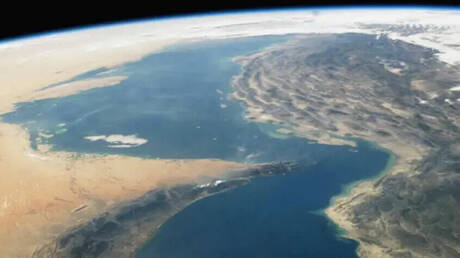
Iran's government spokesperson Fatemeh Mohajerani affirmed that the Hormuz Strait represents a 'geopolitical reality,' indicating that Iran benefits from this strategic position. This statement was made during remarks on Tuesday, where she emphasized that the geographic location of the strait enhances Iran's role in the region and reflects its economic and political significance.
The Hormuz Strait is considered a vital transit point for oil and gas, with approximately 20% of the world's total oil exports passing through it. This makes the strait a strategic center that cannot be overlooked in any discussion about global energy security.
Event Details
In her statements, Mohajerani clarified that Iran leverages its geographic position to enhance its regional influence. She also confirmed that the Iranian government is working to develop relations with neighboring countries to ensure the security of navigation in the strait. This statement comes at a time when the region is witnessing increasing tensions, which heightens the importance of Iran's role in maintaining maritime stability.
Moreover, she pointed out that the Hormuz Strait is not just a maritime passage but also a symbol of Iran's political and economic power. This declaration is part of Iran's strategy to bolster its position in international forums, especially in light of the economic sanctions imposed on it.
Background & Context
The Hormuz Strait, which stretches between Iran and Oman, is one of the most important maritime corridors in the world. For decades, this strait has been the stage for numerous political and military events, witnessing tensions between Iran and Western countries, particularly the United States. In recent years, these tensions have escalated with the rise of regional conflicts.
Historically, Iran has always sought to exploit its geographic location to enhance its influence, using it as a means to pressure other countries. In this context, Mohajerani's statements are part of a broader strategy aimed at affirming Iran's importance as a pivotal state in the region.
Impact & Consequences
The Iranian government's statements underscore that the Hormuz Strait is not merely a maritime passage but a fundamental element of Iran's strategy. This could affect relations between Iran and other countries, particularly those that rely on oil passing through the strait. Should any tensions arise, these statements could escalate the situation in the region.
Furthermore, emphasizing the strait's significance may help strengthen Iran's position in international negotiations, as it could use this as leverage against other nations. This could lead to changes in the political dynamics in the region, impacting both regional and global security.
Regional Significance
The Arab countries neighboring the Hormuz Strait, such as the United Arab Emirates and Saudi Arabia, are among those most affected by Iran's statements. These countries heavily depend on their oil exports through the strait, making them sensitive to any changes in the security situation there.
If tensions escalate, these nations may face significant challenges in securing navigation routes, which could impact the global economy. Therefore, Iran's statements regarding the Hormuz Strait raise considerable concern in the region, necessitating a response from Arab nations to ensure regional stability.
In conclusion, the importance of the Hormuz Strait in the geopolitical context remains significant, as it is a pivotal point in international relations. The Iranian government's statements reflect an awareness of the strait's importance, calling for greater international attention to ensure navigation stability in this vital area.