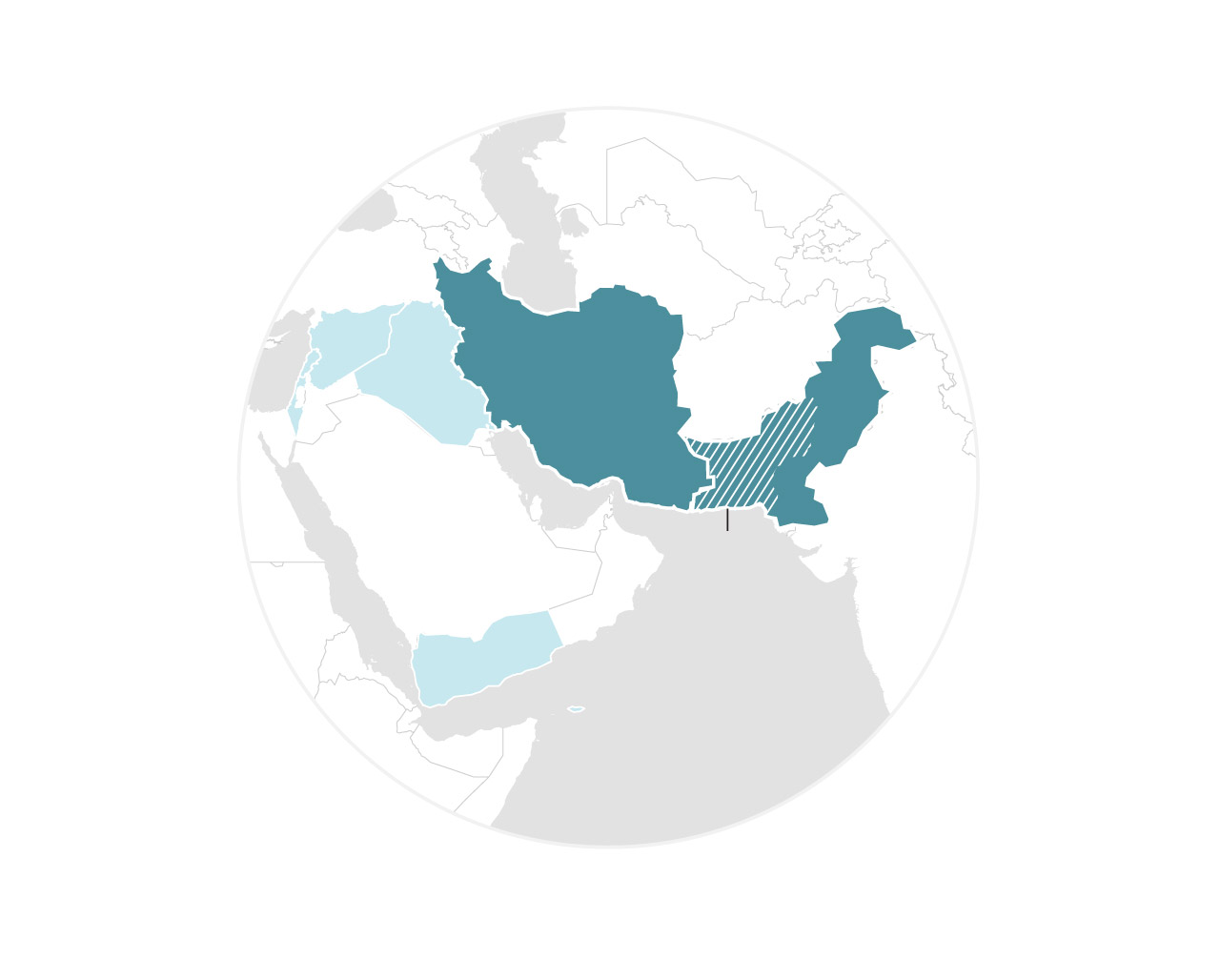
The aggressive dimensions of the Iranian regime are evident in the ongoing war between the United States and Israel on one side and Iran on the other. The curtain has been lifted on the results of the dogmatic discourse with which the mullah regime has fueled its military and mobilized its people, based on the illusion of exporting the revolution.
Accepting the goodwill of the Tehran governments, which claim to respect relations and safeguard the interests of nations, has been a form of diplomacy that favors good faith until proven otherwise. Recent events have demonstrated that these intentions were nothing but illusions, as evidence remains on the ground.
Details of the Incident
The targeting of Gulf states with missiles and drones is clear evidence of the contradictions and confusion within Iranian ruling institutions. Tehran has bombarded the capitals and cities of its neighbors with ideological fire that reflects deep-seated hatred, revealing a strategic stockpile that was thought to be mere propaganda exaggerations.
These actions reflect the instability of the Iranian regime and show how the official discourse does not align with actions on the ground. While Iran claims to care about good relations with its neighbors, it continues to target them.
Background & Context
Historically, relations between Iran and its Arab neighbors have been tense, especially amid Tehran's attempts to expand its influence in the region. These tensions have contributed to creating an environment of mistrust, with Arabs viewing Iran as an unsafe neighbor.
The Iranian discourse promoting the idea of exporting the Islamic revolution has raised concerns among many countries in the region, prompting them to bolster their defensive capabilities. In recent years, there has been an escalation in Iranian military activities, further intensifying tensions.
Impact & Consequences
The repercussions of this war extend beyond the region, affecting both regional and international stability. The escalation of hostilities could exacerbate humanitarian crises and increase the suffering of civilians in affected countries.
Moreover, these events may reshape alliances in the region, as Arab countries seek to enhance security cooperation among themselves to confront common threats. This could lead to changes in the foreign policies of major powers towards the Middle East.
Regional Significance
This crisis serves as a wake-up call for Arab countries, necessitating a reassessment of their security and defense strategies. The Iranian threats call for a coordinated response from Gulf states, which must collaborate more closely to address these challenges.
In conclusion, the current situation underscores the urgent need to unify Arab efforts in facing external threats and to work towards enhancing peace and stability in the region. Wars are temporary, and peace is the demand of all rational minds.