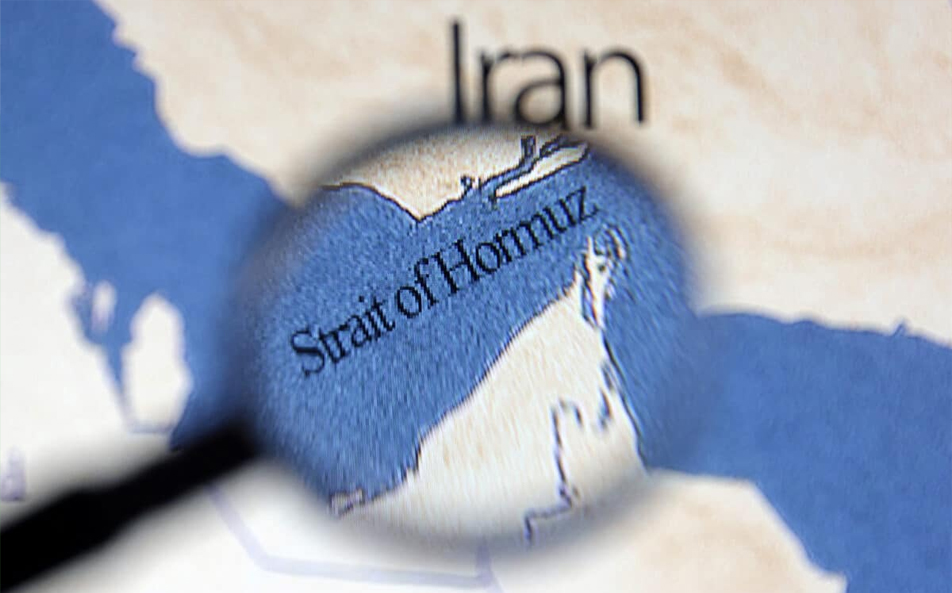
In a move that could help alleviate regional tensions, Iran has announced its agreement to provide a secure passage through the Strait of Hormuz for two weeks, provided that attacks cease. This announcement comes at a time when the region is experiencing a rise in military tensions, raising questions about the future of maritime security in this strategic area.
The Strait of Hormuz is considered one of the most important maritime passages in the world, through which approximately 20% of total global oil exports pass. This vital corridor serves as a meeting point for many countries that rely on oil, increasing the significance of any agreement related to its security.
Details of the Announcement
Iran has confirmed that it will allow ships to pass through the strait if attacks targeting commercial vessels are halted. This announcement follows a series of incidents in the region, including attacks on oil tankers.
Through this step, Tehran aims to calm the situation, especially in light of increasing international pressure. It appears that Iran hopes to improve its image before the international community after facing widespread criticism for its military activities in the region.
Background & Context
Historically, the Strait of Hormuz has witnessed recurring tensions, particularly between Iran and Western countries. In recent years, these tensions have escalated significantly, with Iran accused of carrying out attacks on oil tankers belonging to other nations, leading to strong international reactions.
This move by Iran can be seen as an attempt to rebuild trust with the international community, especially amid the economic sanctions imposed on it. It also reflects Tehran's desire to maintain stability in the region, despite the challenges it faces.
Impact & Consequences
This step could lead to a de-escalation of tensions in the region, potentially contributing to the stability of global oil prices. If Iran continues to adhere to this agreement, we may witness an improvement in relations between Tehran and Western countries, which could open the door for new negotiations regarding its nuclear program.
However, the question remains regarding Iran's seriousness in adhering to the terms of this agreement, especially given the ongoing tensions in the region. Any breach of this agreement could lead to a new escalation of the situation, negatively impacting global markets.
Regional Significance
The Arab countries neighboring the Strait of Hormuz are among those most affected by this announcement. Stability in passage through the strait means greater stability for Gulf economies that heavily rely on oil exports.
Moreover, any escalation in tensions could impact regional security, prompting Arab countries to take proactive steps to protect their interests. In this context, Arab nations may seek to enhance security cooperation among themselves to address any potential threats.