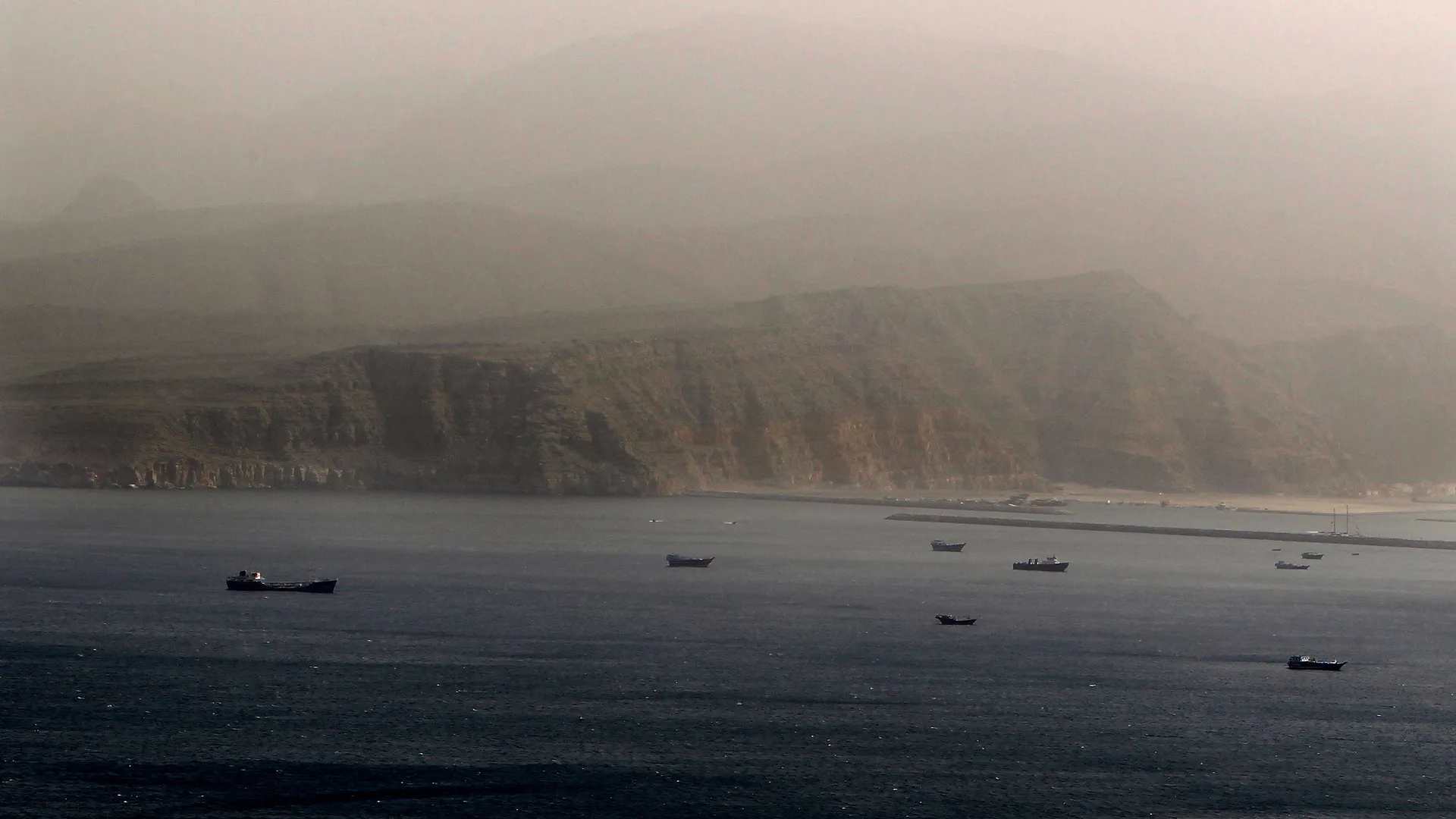
In a move that could restore stability to one of the world's most critical waterways, Iran has declared it will open the Strait of Hormuz for two weeks, provided that attacks against it cease. This announcement comes after a ceasefire agreement with the United States, reflecting the strait's significance in global trade.
The Strait of Hormuz, which connects the Arabian Gulf to the Gulf of Oman, is one of the busiest maritime passages in the world, with approximately 20% of the world's oil and liquefied natural gas passing through it. Following the announcement of the ceasefire, oil prices dropped by about 15%, indicating the impact of regional events on global markets.
Details of the Event
Since the attacks launched by the United States and Israel on Iran on February 28, Tehran has imposed restrictions on navigation in the strait. This has led to a rise in global fuel prices, significantly affecting economies reliant on oil. The strait is a vital passage not only for Iranian oil but also for oil coming from Gulf countries such as Iraq, Kuwait, Qatar, Saudi Arabia, and the UAE.
Estimates suggest that around 20 million barrels of oil and petroleum products transit through the strait daily, reflecting the scale of energy trade that depends on this passage. The strait is also a crucial channel for fertilizer exports, as natural gas is heavily used in the production process.
Background & Context
Historically, the Strait of Hormuz has witnessed numerous tensions, particularly during the Iran-Iraq War in the 1980s, where conflicts escalated into what became known as the 'Tanker War.' During that time, commercial vessels were attacked from both sides, prompting the U.S. Navy to intervene to protect navigation.
In recent years, tensions in the region have increased, especially with the rise of Iranian military activities in the Gulf. These tensions have affected trade flows, with a significant decrease in the number of vessels crossing the strait, prompting countries to seek alternative routes for oil transportation.
Impact & Consequences
Recent events demonstrate that any disruption in the Strait of Hormuz can have far-reaching effects on the global economy. Many countries, particularly in Asia, rely on Iranian oil, with China alone purchasing about 90% of Iran's exports. The rise in fuel prices has led to austerity measures in several countries, including reduced working hours and university closures.
The potential impact of a closure of the strait could extend to Europe, where some countries have begun implementing measures to ration fuel. This situation underscores the importance of stability in the strait, not only for oil-producing nations but also for consuming countries.
Regional Significance
For Arab countries, the Strait of Hormuz is an economic lifeline. Many Gulf nations depend on oil exports to secure their national income. Any disruption in navigation could negatively impact the economies of these countries, potentially leading to significant social and economic repercussions.
In conclusion, Iran's announcement to open the strait under certain conditions highlights the importance of dialogue and cooperation in easing tensions. There is hope that this agreement will lead to greater stability in the region, benefiting all parties involved.