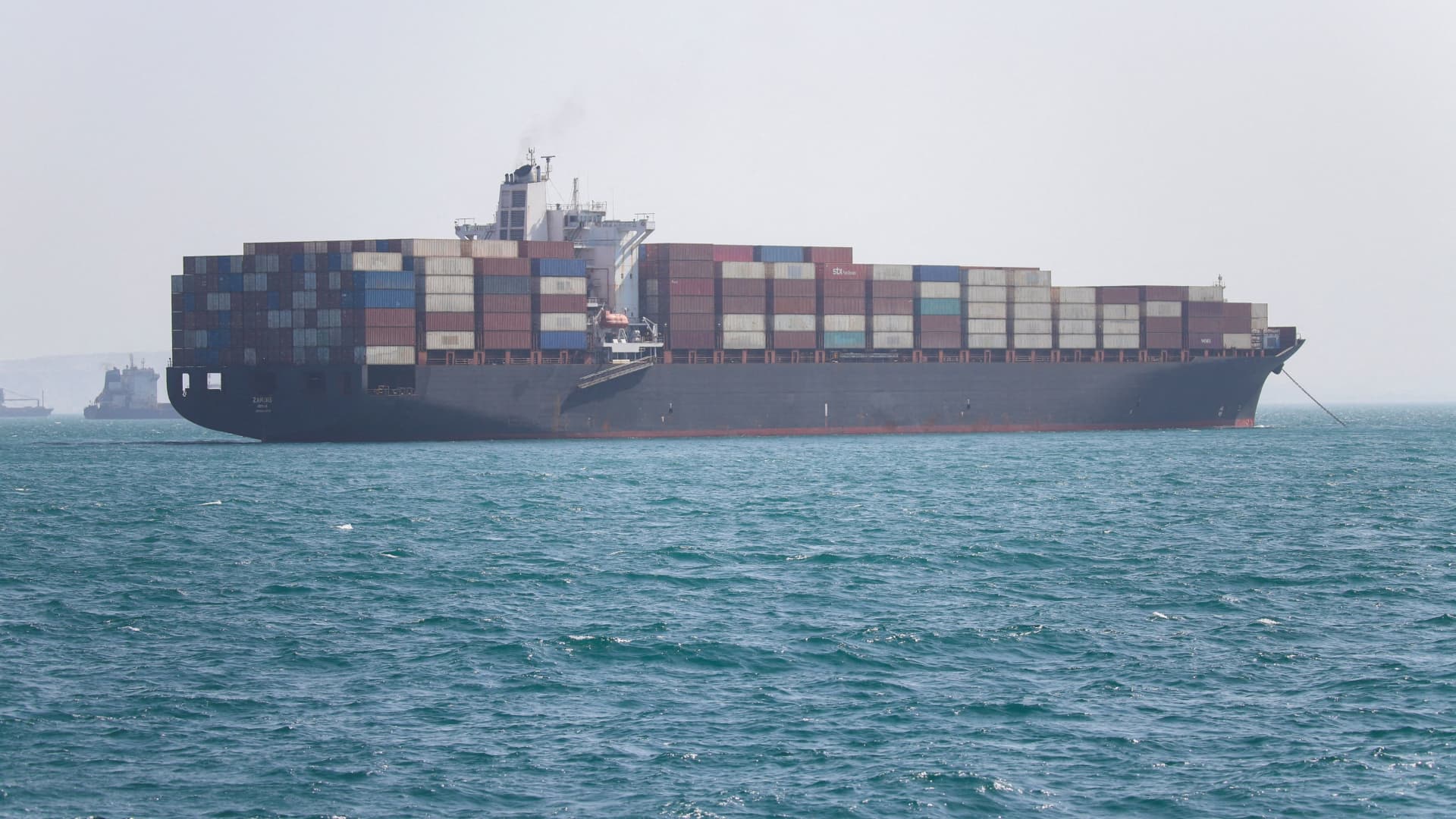
Iran is making significant efforts to restore traffic in the Strait of Hormuz to its normal state following recent tensions. Reports indicate that Tehran hopes to achieve this within a month after reaching a peace agreement with the United States. However, traders on the Kalsheen platform adopt a more skeptical stance, believing that the chances of achieving this goal are considerably lower.
According to reports, traders assign a 38% probability for traffic through the strait to return to normal by July 1, defined as an average traffic level exceeding 60 over a seven-day period, based on data from the International Monetary Fund. While this figure is higher than previous estimates of 32%, it still reflects a state of uncertainty.
Event Details
Official Iranian media reported that Tehran has prepared a draft framework for a memorandum of understanding with the United States, with these details revealed through Iranian television. However, the U.S. administration denied the existence of any framework with Iran, increasing the ambiguity surrounding the negotiations. It is noteworthy that traders were initially more optimistic, with the odds of a return to normal traffic reaching 50% over the past weekend.
Regarding forecasts, traders appear more confident about the possibility of normal traffic resuming by August 1, assigning a 60% probability to this outcome, which is considered an increase from previous odds that suggested a 50-50 chance.
Background & Context
The Strait of Hormuz is one of the most important maritime passages in the world, through which approximately 20% of global oil flows. Historically, the strait has witnessed numerous tensions due to regional conflicts, particularly between Iran and the United States. In recent years, tensions have significantly escalated, impacting navigation and international trade.
These developments come at a sensitive time as Iran seeks to improve its relations with the West, especially after years of economic sanctions that have severely affected its economy. Potential agreements with the United States could open new avenues for trade and investment in the region, but uncertainties remain.
Impact & Consequences
If Iran manages to fully reopen the Strait of Hormuz to traffic, it could lead to stabilization of oil prices in global markets. Conversely, if tensions persist, we may witness a rise in prices due to concerns over supply disruptions. Traders and investors in financial markets are closely monitoring the situation, as any developments could impact their investment strategies.
Furthermore, stabilizing the situation in the strait could contribute to enhancing maritime security in the region, allowing for smoother trade flows. However, ongoing uncertainties could exacerbate conditions, negatively affecting the regional economy.
Regional Significance
Arab countries neighboring the Strait of Hormuz, such as the United Arab Emirates and Saudi Arabia, are among the most affected by developments in this strait. Any changes in traffic could impact oil and gas exports, thus affecting the economies of these nations. Additionally, stabilizing the situation in the strait could enhance economic cooperation between Arab countries and Iran.
In conclusion, attention remains focused on developments in negotiations between Iran and the United States, as any progress could significantly alter the geopolitical landscape in the region.